Tag: Tom Poland

  • Rainbow Row

    Pastel Chic –
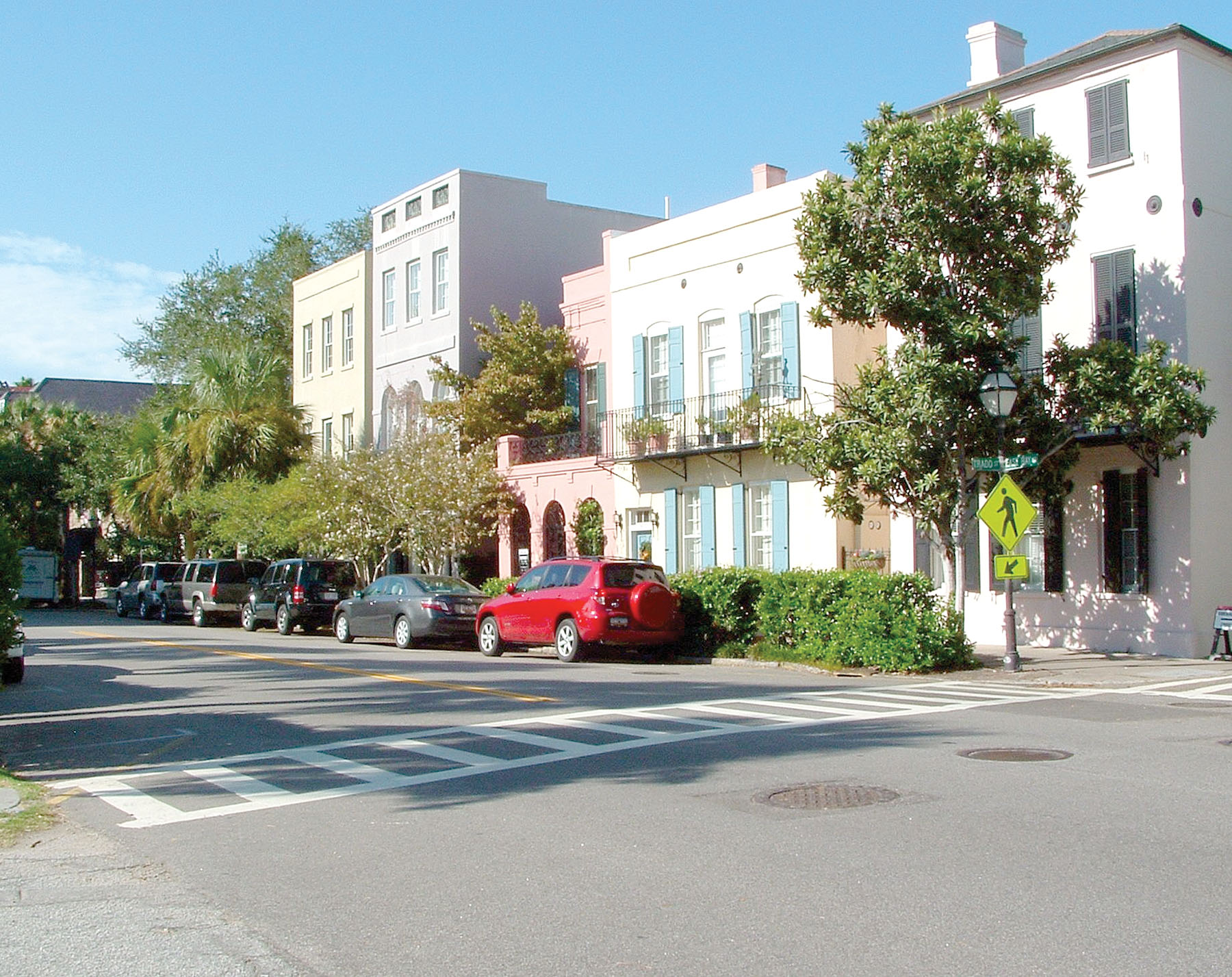
    One of America’s more colorful neighborhoods, 79-107 E. Bay St., Charleston. (Photo/Robert Clark)

    Drive 144 miles to Charleston. Wind your way to East Bay Street and proceed to 79 to 107 East Bay Street. There you’ll find Rainbow Row, the colorful and historic name for 13 colorful houses. North of Tradd Street and south of Elliot Street, that’s where you’ll find them. As you’ll see, the pastel paints make it easy to see how this section of historic homes got its name. An extremely popular tourist attraction, it’s one of Charleston’s more photogenic features.

    What would become Rainbow Row came to bet in the mid 18th century on 83-107 East Bay Street. At first it was a center of commerce on Charleston’s waterfront built to provide services to the wharfs and docks of the Port of Charleston. Merchants ran stores on the first floor and at day’s end they retired in the top floors.

    After the Civil War the Rainbow Row area gained a less-than-stellar reputation as it was run down. Some would have referred to it as a slum. Things changed for the better. Today, Charleston consistently ranks as one of the most-traveled to cities in the world, and Rainbow Row does nothing to diminish that reputation.

    The Row’s history is a strong one. In the 1920s, Susan Pringle Frost, the founder of the Preservation Society of Charleston, bought six of the buildings. Money was tight and she was unable to restore the homes in a timely manner. In 1931, Dorothy Haskell Porcher Legge purchased houses 99 through 101 East Bay and renovated them. She painted them a colonial Caribbean color scheme. Other owners and future owners, taking a cue from her, created the “rainbow” of pastel colors present today. The pastel colors helped keep the houses cool inside, and in time a cool name evolved.

    Restored, the houses represent the very first style of Charleston homes and they were destined for cultural history as well. They were portrayed in “Porgy and Bess,” George and Ira Gerswhin’s opera based on DuBose Heyward’s novel “Porgy.” Heyward was a Charleston businessman fascinated by the Gullah culture. That interest turned him into a novelist. (Heyward’s wife, Dorothy, developed the novel into a play.) All three works deal with African American life in the fictitious Catfish Row, which, of course, was based on the early 1920’s Rainbow Row. George Gershwin worked on “Porgy and Bess” in Charleston where the nearby James Island Gullah community influenced him.

    Like any well-known spot, Rainbow Row suffers myths. An old tale holds that the homes got their unique pastel colors so drunken sailors stumbling ashore could spot the houses where they had rented “landlubber” accommodations. Of course, that’s just a myth.

    Go see the real deal, Rainbow Row, a colorful, historical tourist attraction that a few folks call home.

     If You Go …

    Rainbow Row

    East Bay Street

    Charleston, S.C. 29401

    www.historiccharleston.org/Shop/Rainbow-Row.aspx

    Learn more about Tom Poland, a Southern writer, and his work at www.tompoland.net. Email day-trip ideas to him at tompol@earthlink.net.

  • Botanical Beauty

    Horticulture magazine praised it as “one of 10 gardens that inspire.” HGTV calls it “one of 20 great public gardens across America.” Well you don’t have to drive across America to see it. A 30-mile drive will take you to the Riverbanks Zoo Botanical Garden, across the Saluda River from the zoo proper.

    Now’s a good time to go, although something is always blooming at the garden. The gardens are so lush, so beautiful that weddings and other events often take place there. The gardens are themed too. There’s the Collection Garden where 100 different milk and wine lilies grow. There’s the Old Rose Garden where you’ll find the world’s largest collection of Noisettes. Kids love the Play Garden, which features a playhouse and secret play garden.

    The Walled Garden is a show stealer. This 34,000-square-foot garden features a maze of seasonal and themed gardens. Don’t be surprised if you go home with new concepts and ideas for your garden. It’s an inspiring place.

    At the West Columbia entrance you’ll see the Bog Garden with is large waterfall. See too the carnivorous pitcher plants and water lilies. The large boulders will give you a sense of being in the mountains too. In a corner of the Bog Garden you’ll find the Asian Garden. Built in 2009, the Asian Garden quickly developed into a lush and botanically diverse space. Here, a short boardwalk overlooks a small pool. You’ll find benches to rest on and listening to the soothing white noise of trickling water will put you at ease. See the Asian trees, shrubs, perennials and bamboo in this garden.

    The walk from the zoo proper across the brick span uphill can be taxing, but no worries. A tram can take you there with ease. Once you’re at the garden be sure to walk the nature trail. To me, trail highlights include the ruins of the old Saluda Mill ruins and its lonesome but winsome stone keystone arch, testaments to Sherman’s march through Columbia.

    Once your garden stroll is over you can always take the tram back to the zoo proper. Over 2,000 animals will keep you enthralled, amused and outright surprised. Between the zoo’s wildlife and the gardens flora, a day here is like a trip around the world.

    Each year I purchase a family membership to the zoo. I like to stroll through the gardens on cooler days, and I’m planning to go there with my laptop and work now and then. Seventy acres of botanical beauty makes for an inspiring place to write. And as for you? Well I have no doubts this place will bring out the gardener in you. It did in me and I have a themed garden of my own in my back yard as a result.

    If You Go …

    Riverbanks Zoo

    & Botanical Garden

    500 Wildlife Parkway

    Columbia, S.C.

    803-779-8717

    www.riverbanks.org/botanical-garden/

    Learn more about Tom Poland, a Southern writer, and his work at www.tompoland.net. Email day-trip ideas to him at tompol@earthlink.net.

  • Diggin’ Ditch Pond

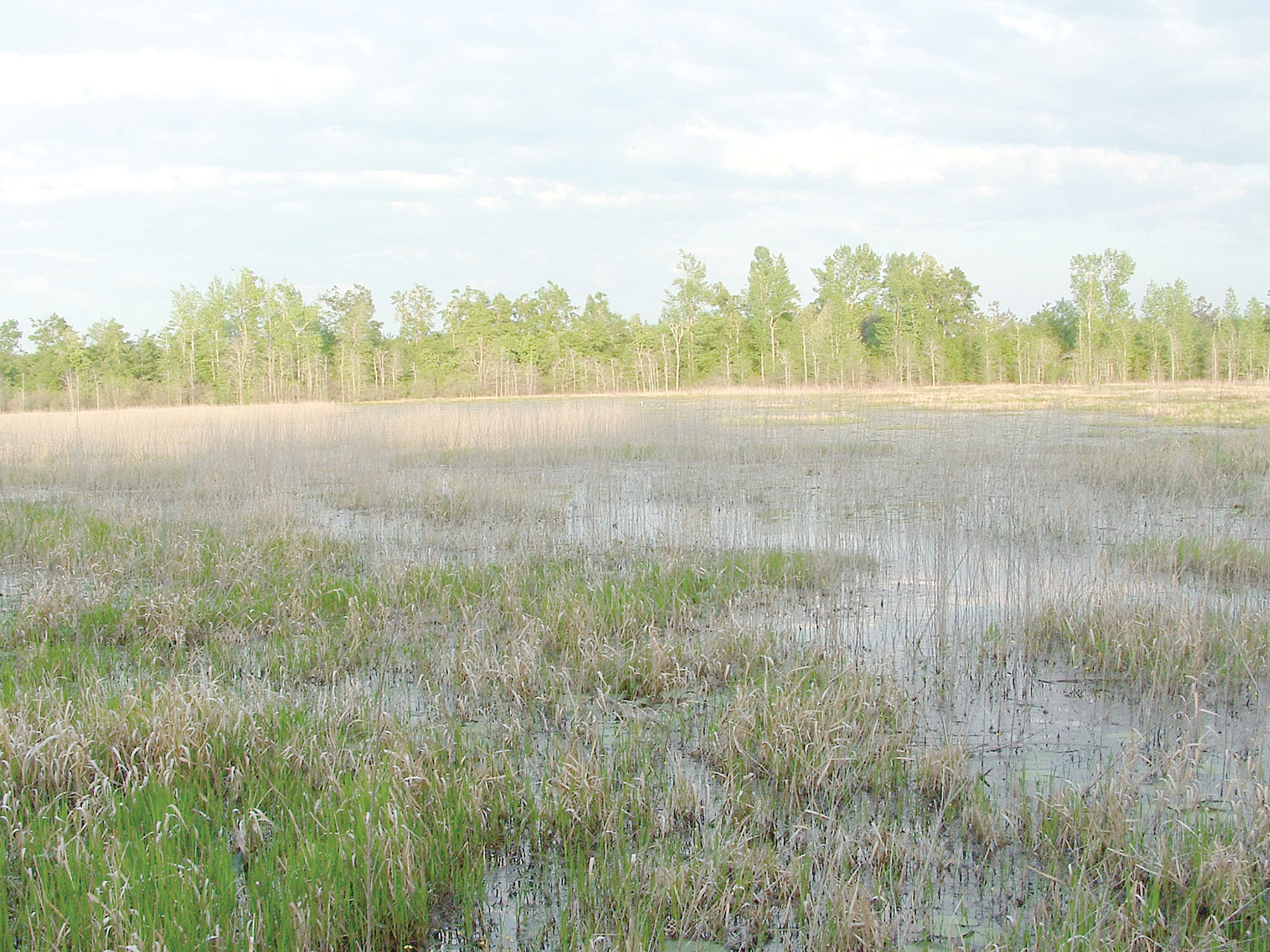
    Ditch Pond Heritage Preserve, near Williston, S.C. (Photo/Tom Poland)

    Drive south-southwest about 85 miles to Williston, S.C., and on Highway 78 near SC 781, you’ll see a small lane that leads to Ditch Pond Heritage Preserve. Ditch Pond, as it’s called, is a Carolina bay that takes its name from ditches that attempted to drain the bay. Despite the ditches, Ditch Pond is relatively undisturbed, a rarity as Carolina bays go. And as many Carolina bays go, it’s a rich repository of wildlife and vegetation.

    I went there back in late April. Though I was closer to the Piedmont than the Lowcountry, Ditch Pond gave me the feeling I was down near Beaufort or Charleston. A short walk from the entrance, I found myself in an alleyway of large oaks and Spanish moss. The skeins of Spanish moss hung long and majestically and late afternoon light lit up as if on fire.

    I made my way to the boardwalk that extend into the bay’s open area and here the sunlight slanted low against a distant edge of trees with light bark and willowy canopies. Between that and far away edge and me, gallinules hopscotched across lily pads and herons stalked the shallows as braces of ducks jetted overhead. To the far left of the end of the boardwalk a patch of blooms the color of margarine broke the greenery. Must have been blooming bladderworts. The sunlight, fading from its all-day travels, yielded a soft incandescent glow to everything and the cumulative effect seduced me into thinking, “Beautiful and wild like Africa, just like Africa.” I half expected to see a herd of wild beasts thunder down to the water edge only to blunder into an ambush by big crocs.

    Ditch pond sits in Aiken and Barnwell counties. The S.C. Department of Natural Resources owns and maintains Ditch Pond Heritage Preserve, some 296 acres. Ditch Pond, about 25 acres, was first documented in 1973 as a Carolina bay. Eight rare plant species of concern inhabit the property, including blue maidencane, Robbin’s spikerush, creeping St. John’s wort, piedmont water milfoil, awned meadow beauty, slender arrowhead, Florida bladderwort and piedmont bladderwort.

    Be sure to take a camera. Find a good spot to sit and be still and wait to see what creatures venture forth. If you go, I hope your luck is as good as mine. Just before leaving — it was getting dark — I walked over to photograph the DNR signs. Glancing across the sandy parking lot I spotted a crumpled green wad of paper — a $5 bill. You see, it pays to take day trips to places off the beaten path.

    If You Go …

    No fee

    No facilities

    Do not disturb any plants.

    Stay on the trail.

    Ditch Pond Heritage Preserve/Wildlife Management Area

    Latitude 33.41542, Longitude -81.47137 [PK367]

    Williston, S.C. 29853

    Directions: From Williston, drive west on US 78 for approximately 3.0 miles and the parking area is on the right.

    www.dnr.sc.gov/mlands/managedland?p_id=103

    Learn more about Tom Poland, a Southern writer, and his work at www.tompoland.net. Email day-trip ideas to him at tompol@earthlink.net.

  • Mastering Augusta

    Augusta’s Riverwalk, from the back door of The Morris Museum. (Photo/Tom Poland)

    Drive southwest 95.5 miles to the city famous for the Masters and you’ll discover it has other attractions. The city that’s known for the renowned James Brown has the Morris Museum of Art, which overlooks Augusta’s Riverwalk, a beautiful place to walk along the Savannah River.

    If you like the South, you’ll like the Morris Museum of Art, located on the Riverwalk in downtown Augusta, Ga. It’s the first museum dedicated to the art and artists of the American South. Its collection includes close to 5,000 paintings, works on paper, photographs and sculptures dating from the late-eighteenth century to today. Each year the museum hosts eight to 10 temporary special exhibitions. Good things are always going on.

    “The Morris,” as it’s called, also houses the Center for the Study of Southern Art, a reference and research library that includes archives pertaining to artists working in the South. The museum’s permanent collection houses art in nine categories: Antebellum Portraiture, Civil War, Genre, Still Life, Impressionism in the South, Landscape Painting, Early to Mid-20th Century Art, Late 20th-Century/Contemporary Art and Self-Taught Artists.

    I was there on a beautiful spring afternoon. Outside, a large canvas was being covered with paint. Kayakers paddled down river as folks strolled along Riverwalk’s red brick walkway and its green iron railings. Once a river capable of raging, the Savannah today purls peacefully toward the Atlantic, glad to be shed of the three dams that tame her. Nearby a wedding party was underway, and proud family members snapped photos of the memorable day.

    Riverwalk evolved from the need to protect an early 1900s Augusta from flooding. In 1908, the city built a levee, but even it was no use against one of the mighty Savannah River’s more severe floods. It kept on raining and the levee proved to be too low. In 1936, the Army Corps of Engineers came to the rescue, building a taller levee. For over 50 years this levee protected downtown Augusta, but it was a detriment to commerce and served as a psychological barrier between the people and the river. Industry moved out but left a pristine shoreline. When the mall era of the 1970s arrived, downtown suffered a mass exodus as merchants began leaving downtown.

    In the early 1980s a renaissance began along that pristine shoreline. Visionaries transformed Augusta’s Riverfront into a thriving business and tourist center with a focus on establishing a cultural corridor. Today you can enjoy fine art, performances, and a stunning walk along the Savannah River. Across from the museum is the Marriott should you want to tarry in the home of the Masters.

    Sundays at the Morris are always free and a complimentary tour begins at 3 p.m. Check the Morris’s calendar and put this day trip on your calendar: many good things are planned and when you go; listen closely along Riverwalk: you just may hear the ghost of James Brown singing across the river in nearby Beech Island.

    If You Go …

    The Morris Museum

    1 Tenth Street

    Augusta, Ga. 30901

    706-724-7501

    Tuesday–Saturday:

    10 a.m.–5 p.m.
    Sunday: noon–5 p.m.
    Closed Mondays and major holidays

     Adults $5

    Youth 13–17, $3

    Children 12 & under, Free

    Student with ID, $3

    Military with ID, $3

    Senior, 65 & older, $3

    www.themorris.org

    Riverwalk

    Augusta, Ga. 30901

    706-821-1754

    www.augustaga.gov/292/Riverwalk

    Learn more about Tom Poland, a Southern writer, and his work at www.tompoland.net. Email day-trip ideas to him at tompol@earthlink.net.
  • Aiken to Explore

    Resurrection ferns climb an old oak at Hopelands Gardens near Aiken.

    A quick 79-mile jaunt to Aiken will usher you into a past where luxury ruled the day. You can tour a classy town and see where wealthy industrialists spent their winters. Thus was Aiken once known as the Winter Colony. In Aiken you’ll find much to see and do. And should you desire you can check out a splendid hotel, the Wilcox Inn. None other than Sir Winston Churchill stayed there.

    One Frederick S. Wilcox established this fine inn long ago in the last years of the 19th century. His inn became a haven for Yankees seeking a warmer clime. Today it’s a sumptuous setting with stonework and rich wood-paneled walls. In the Gilded Age of the 1920s and 1930s, Aiken was known as the “Winter Colony.” Every fall well-heeled northerners came by private railcar to Aiken to play polo, golf, race their thoroughbreds, hunt fox and socialize at high tea, musicales, balls and dinners.

    The Wilcox, as I call it, was said to have had the first bathtub in the South connected with hidden plumbing. Over the years, Andy Williams and Bing Crosby came as did John Jacob Astor, Harold Vanderbilt and Evelyn Walsh McLean who owned the Hope diamond. Makeup queen Elizabeth Arden graced the hotel as well. As for Franklin D. Roosevelt, legend maintains that he rode his private train to the inn’s back door where he quietly slipped inside. In 1999, Robert Clark and I included the Wilcox Inn in our book, “Reflections of South Carolina.” Back in 1997 and 1998 when we were working on that book I never made it inside the Wilcox Inn. It took me some 17 years to finally do that. It will be much sooner when I return.

    Use the Wilcox Inn as a base camp and go exploring. Aiken has a lot to offer. Nearby are Hopelands Gardens, a 14-acre estate garden, and Hitchcock Woods, one of the country’s largest urban forests. There’s a place called the Rye Patch too, a popular venue for weddings and parties.

    Hopelands Gardens features a labyrinth where you can walk and think with a feeling of being lost yet found. It’s a wonderful place to meditate. The labyrinth opened April 17, 2007. It’s patterned after a 13th century design in Amiens Cathedral, France. Its 45 feet in diameter with brick pathways leading to a granite center.

    Be sure to see the intersection of Whiskey Road and Easy Street where you’ll see one of the country’s most photographed road signs. Explore the sandy lanes left unpaved for the thoroughbred horses that walk them. And check out the Racing Hall of Fame.

    Aiken is a beautiful town of live oaks, resurrection ferns, dogwoods, ivy and brick walls. Best of all it is an easy drive away.

    If You Go …

    Wilcox Inn: www.thewillcox.com/

    www.cityofaikensc.gov/index.php/visitors/

    Learn more about Tom Poland, a Southern writer, and his work at www.tompoland.net. Email day-trip ideas to him at tompol@earthlink.net.
  • Gone Fishin’

    Fish in a Barrel –
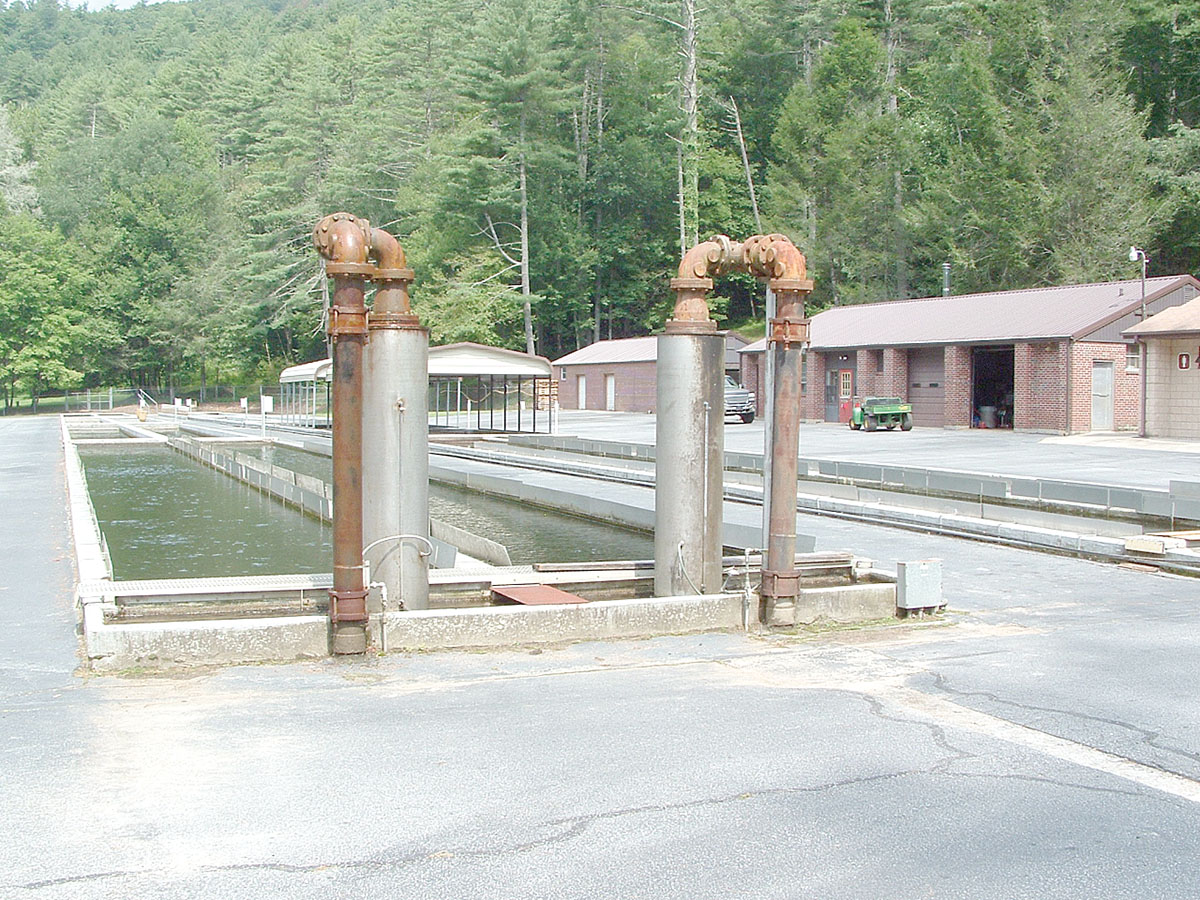
    The Walhalla State Fish Hatchery in – you guessed it – Walhalla.

    A 162-mile drive, about three hours, will take you to a memorable place, the Walhalla State Fish Hatchery. Make your way to Walhalla and follow the directions at the end of this column. If you come away with a desire to go fishing and a hankering for fried trout, blame it on this column.

    Summer is a good time to make the trip. Green leafy mountains and winding roads make for a calming effect, something quite the opposite of the fish-frenzied Walhalla State Fish Hatchery. Walking through the hatchery you’ll see fingerlings aplenty, all swimming to and fro, churning the waters.

    The old hatchery is easy on the eyes. The Works Progress Administration and the Civilian Conservation Corps built it in the 1930s. Make note of the beautiful rock architecture. Earth tone and hues do much to make the hatchery blend into the mountain environment. It’s said the rocks came from nearby mountains.

    The hatchery is the only cold-water fish hatchery the South Carolina Department of Natural Resources operates. Brown, brook and rainbow trout are raised here for stocking the public waters of South Carolina. Most trout are cultured to a size of 9 to 12 inches before being released. About half a million trout are produced and stocked annually. You can see large trout ranging from 5 to 15 pounds at the hatchery as well.

    Visitors are welcome to tour the hatchery and to fish in the East Fork, which runs through hatchery grounds. You’ll find places to picnic too.

    Belong to a fishing club? You can plan special group tours by calling the hatchery (The best time of year to schedule group tours is in the fall). Visits by individuals and families take place on a walk-through basis. The day I was there several families were touring the hatchery. Kids love to see the fish up close and they get a thrill when the fish splash them.

    You’ll find plenty to do when you’re done visiting the hatchery. Adjacent to the hatchery is the Chattooga Picnic Area, operated by the U.S. Forest Service. Next to the picnic area is the boundary of the Ellicott Rock Wilderness. Hikers may take a trail that goes along side the East Fork for 2.5 miles to the Chattooga River. From there you can go upstream to Ellicott’s Rock (1.7 miles) or downstream to the Burrell’s Ford campground and parking lot (2.1 miles). Request a trail map.

    On Highway 107 South toward Walhalla is the Oconee State Park. Here there are cabins, camping areas, swimming and numerous other recreational activities. Best of all it’s refreshing to go to the mountains when summer heats up the land and you’ll find it educational to learn about the life cycle of trout. And then you can plan a fishing trip and have that fish fry I mentioned earlier.

    If You Go …

    Walhalla State Fish Hatchery
    198 Fish Hatchery Road

    Mountain Rest, S.C. 29664

    864-638-2866

    Open from 8 a.m. to 4 p.m.

    There may be a few exceptions during the winter months if inclement weather makes conditions unsafe for visitation. The hatchery is closed Christmas Day.

    www.hatcheries.dnr.sc.gov/walhalla/tour.html


    Learn more about Tom Poland, a Southern writer, and his work at www.tompoland.net. Email day-trip ideas to him at tompol@earthlink.net.
  • Anomaly Hill

    What’s a ‘Monadnock?
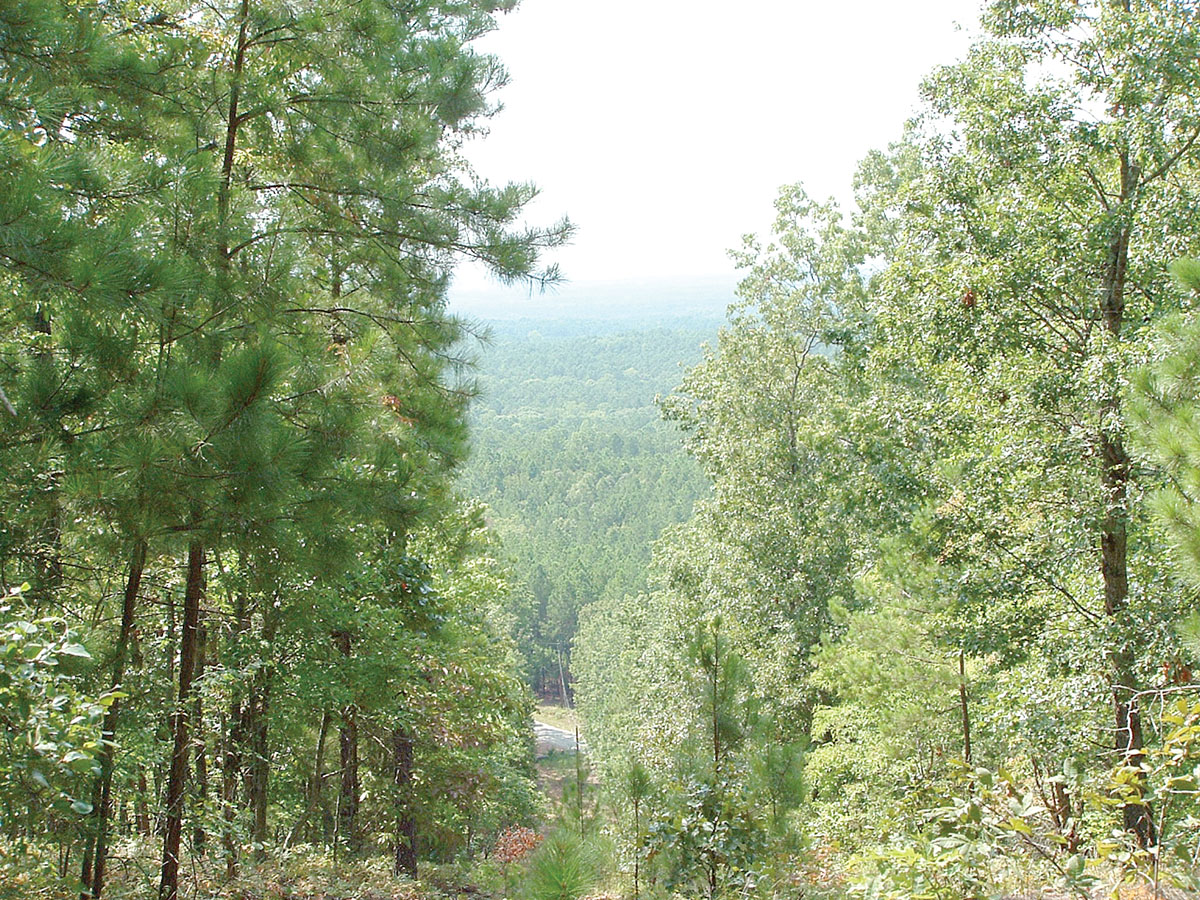
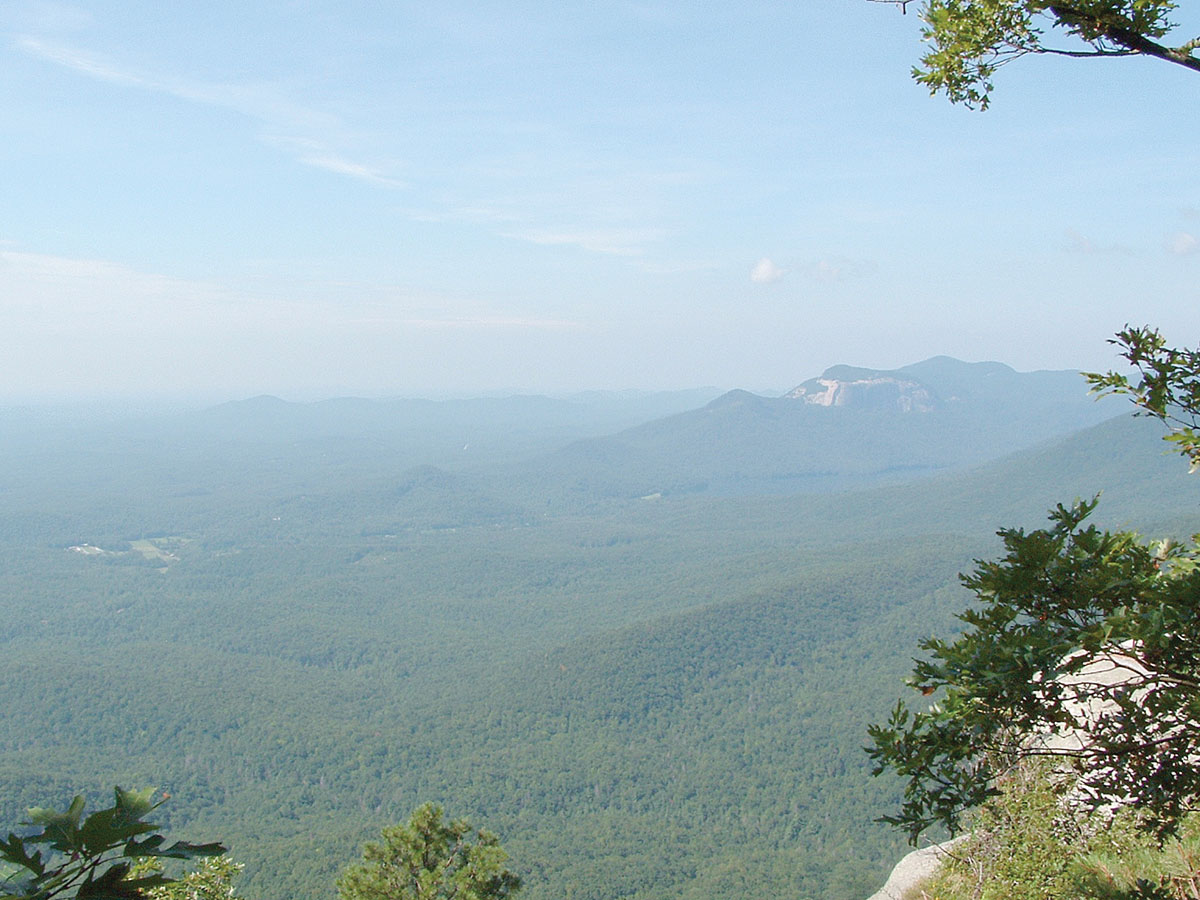
    You’re looking at it, on Parson’s Mountain.

    A 93-mile trek through Greenwood to Abbeville will take you to the Long Cane District where a geographic anomaly revives memories of Oconee and Pickens County vistas. Parson’s Mountain, a monadnock, sits alone overlooking the forest below as it stretches to the horizon. Geologists call this type of hill a “monadnock,” which is a technical term for a mound of hard rock left when all the surrounding land erodes away. It towers 832 feet over the Sumter National Forest. It’s a tough, winding climb to the top but worth it. Peering through the green canopy of broad-leaved, deciduous trees, the earth drops away into blue haze. It’s especially beautiful when fall colors arrive.

    Dreams of El Dorado died on this rugged mountain. Feel up to a challenging climb? Take the spur that branches off the westernmost portion of trail and you will climb past Civil War-era gold mines to the summit. I made the climb. Up top stands a fire tower and I found a strange arrangement of stones that appear to be a compass. Stones spell out “N.” You’ll find an upright toilet in the woods just behind the tower. Use at your own risk.

    Growling engine sounds float up through the canopy . . . more than 12 miles of off-road trails crisscross the mountain’s flanks. Come fall, fluorescent orange will dot the greenery along the Morrow Bridge and Midway Seasonal Camps as hunters arise and go forth.

    From the top of the mountain you get a great view of the mixed pine and hardwood forests of the Piedmont. It’s quiet atop Parson’s Mountain, though a diamondback rattler rustled tall grasses right by the trail leading to the top. My walk down was much faster.

    Nearby is the Parson Mountain Lake Recreation Area. A calm, 28-acre man-made lake distinguishes the wooded land. It’s a picturesque area with a 23-acre campground devoted to tent and trailer camping. People like to hike and fish here. Fishermen come here to catch bass, crappie, bream and catfish. Wading birds, including great blue heron, frequent the lake. A good-size picnic area sits near a swimming area (no lifeguards on duty).

    The area offers relaxation and solitude as well as easy access to a variety of recreation activities. The day use area was designed with an earthen pier, a pedestrian bridge and a boat ramp for non-motorized boats.

    Before you go, inquire to see if the area is open. It’s open seasonally from May 1 through Nov. 15. Even if the area is closed, it’s worth the drive to see how Parsons Mountain rises above the land, a mountain seemingly left behind by the Blue Ridge Mountains.

     If You Go …

    454 Parson’s Mountain Road
    Abbeville, S.C. 29620

    864-446-2273

    • From Abbeville go south on Route 72 to South Main Street; turn left and look for signs.

    Open from 9 a.m. to 9 p.m. during daylight saving time

    • $3-day use fee per vehicle. $7 per campsite per night. Self-serve fee station. Campsites are first come-first served.

    • GPS coordinates: GPS: 33.80497, -81.931278

    • www.fs.usda.gov/recarea/scnfs/recarea/?recid=47187

    Learn more about Tom Poland, a Southern writer, and his work at www.tompoland.net. Email day-trip ideas to him at tompol@earthlink.net.

  • A ‘Heady’ View

    You Can See for Miles and Miles –
    The view from Blue Ridge Escarpment at Caesars Head.

    Up in northern Greenville County, you’ll find one of the Blue Ridge Escarpment’s more prominent landmarks, Caesars Head. Some believe this rock outcropping resembles the Roman Emperor, Caesar, thus its name, though some believe the landmark took its name from an early pioneer’s dog. Regardless of its origin, Caesars Head surveys a kingdom of stunning views, and the landmark’s name gives Caesars Head State Park its identify as well.

    Caesars Head, composed of durable granitic gneiss more than 400 million years old, connects to Jones Gap State Park in the Mountain Bridge Wilderness Area, an 11,000-acre area of pristine southern mountain forest. Driving through the Mountain Bridge Wilderness Area you’ll encounter curves aplenty and scenic overlooks. Highway 276, a road favored by mountain lovers, delights travelers between Brevard, N.C., and Pumpkintown. Its hairpin turns and steep grades challenge drivers who motor up 3,208 feet to Caesars Head State Park. Come autumn colors pull hard at leaf worshipers and Highway 276 sees its share of fall foliage and sightseers.

    Atop Caesars Head you stand upon the Blue Ridge Escarpment 3,266 feet above sea level. From here you can see Georgia and North Carolina. The panoramic view includes Paris Mountain near Greenville. In the fall people come to watch hawks wheeling and spiraling — a process called “kettling” — as they migrate to Central and South America for the winter. You, too, can migrate from here. Day hike to one of eastern United State’s highest and beautiful falls: Raven Cliff Falls, near Caesar’s Head, plummeting some 420 feet. Brave? Cross its swinging footbridge Indiana Jones style. Shaky-step your way across and brag about it later.

    A drive up to Caesars Head and its namesake park never disappoints. There’s much to do: bird watching, especially autumn’s hawks, camping, fishing, and waterfalls to see. Keep an eye out for black bear. Make the trip in autumn and you can see fall color aplenty. Make the drive in summer and enjoy the cooler air. It’s a good place to be active. Over 50 miles of hiking trails will test your legs. Primitive camping is available here too. Pack a picnic basket and enjoy eating at one of the picnic tables and shelters. Be sure to make the tight descent through cracked rock walls known as the “Devil’s Kitchen.”

    Be sure to put the Visitor Center on your schedule. It houses exhibits of area attractions, a relief map of the Mountain Bridge trail system, hawk displays and gift and souvenir items. It’s open from 9 a.m. to 5 p.m., daily during daylight saving time. It’s closed on Thanksgiving and Christmas Day.

    If You Go …

    Caesars Head State Park

    8155 Greer Highway

    Cleveland, S.C. 29635

    864-836-6115

    128 miles, a 2 hour and 20 minute drive.

    • From Greenville: Take Hwy. 276 W. for about 30 mi. Park is located at the top of the mountain right off the Hwy.

    • Open from 9 a.m. to 9 p.m. during daylight savings time.

    • Free Admission

    www.southcarolinaparks.com/caesarshead/introduction.aspx

    Learn more about Tom Poland, a Southern writer, and his work at www.tompoland.net. Email day-trip ideas to him at tompol@earthlink.net.

  • A Swamp Thing

    There are roads in Palmetto land that go nowhere near big cities. And that’s not bad. One road, Highway 64, leads to Walterboro where an ancient lane once cut a green leafy tunnel through a swamp. Just three minutes off I-95, a town, of all places, provides a tranquil setting to contemplate a Southern swamp. Had Joseph Conrad written a novel about Walterboro he might have titled it “Heart of Greenness,” for a shimmering 842-acre swamp lives within Walterboro’s city limits.

    Located in the ACE Basin, the East Coast’s largest estuarine preserve, the sanctuary may well provide the only braided creek swamp accessible to the public. The Ashepoo River’s headwaters (the A in the ACE Basin), originate in the sanctuary.

    The sanctuary offers many opportunities to observe wetland life. Stroll the boardwalk stretching over more than two miles of swamp. See the Old Charleston to Savannah Stagecoach Road where George Washington gazed out a stagecoach window “to acquire knowledge of the face of the country.” At best, he made 33 miles a day the spring of 1791, and you can bet he saw plenty of wildlife. Interested in history and archaeology? You can explore the Old Wagon/Stage Coach Road over which all overland traffic passed between Charleston and Savannah.

    As for the swamp, it consists of hardwood flats with interweaving streams. Natural wealth includes beaver, deer, fox, otter, mink, opossum, raccoons, squirrels, wildcats and wild turkey. Feathers aplenty here. Bird life includes a large, year-round, population of songbirds, wading birds, ducks and raptors. The area serves as an important resting area for transient and migrating birds.

    The Walterboro Wildlife Sanctuary brings history, culture, recreation, and education together in a unique setting. Overland trails and boardwalks offer a chance to get some exercise as does a bicycle path. Tying it all together is the Discovery Center, an interpretive exhibition hall that informs visitors about the important role swamps play in the Lowcountry ecosystem and the habitat they maintain for numerous flora and fauna.

    It’s a matter of mere steps from natural history to Walterboro’s main historic district. Consider an overnight stay in this unique place where a swamp sanctuary forms a town’s green heart, and remember that man needs swamps too. They serve to cleanse our water, remove toxins from the environment, and best of all remind us the tremendous losses we’ve suffered when it comes to swamps and wetlands, once believed to be a source of diseases thanks to the evil miasmas that emanated from them.

    If You Go …

    • 122 miles

    • Free Admission

    • Open from dawn to dusk

    • 399 Detreville Street

    Walterboro, S.C. 29488

    • 843-549-2545

    • www.walterborosc.org/walterboro-wildlife-sanctuary.aspx

    Learn more about Tom Poland, a Southern writer, and his work at www.tompoland.net. Email day-trip ideas to him at tompol@earthlink.net.

  • Peach Country

    Millions of Peaches –
    And a whole lot more in and around Edgefield, S.C.

    About 50 miles southwest you’ll find a place and season Van Gogh would have loved. Come spring, South Carolina Peach Country, a land where Highway 23 threads through acres and acres of peach trees, would have delighted the legendary artist. Winding along, that little highway will take you through Ridge Spring, Ward, Johnston, and on toward Edgefield where you’ll find great expanses of pink peach orchards blooming and things other than peaches.

    Van Gogh found a sense of renewal in a peach tree’s delicate blossoms and so will you. A carpet of pink cloaks the sandy hills, a sight that has seduced many a photographer. Keep an eye on the farm reports and you can catch the orchards in full bloom and later make a return trip to get split-oak baskets filled with sweet Carolina sunshine: a treat hard to resist.

    In 1984, the peach became South Carolina’s official fruit, and with good reason. A tree-ripened peach may well be the greatest-tasting fruit of all. Loving care attends this state fruit. Tender and easily bruised, hands pluck peaches, not machines. When peaches turn a creamy yellow color they’re ready to be plucked. Soon you’ll see “Peaches For Sale” signs along roads where trucks heavy with peaches back up along the shoulder. (The split oak baskets will come in handy.)

    In addition to gorgeous orchards, your journey will take you past interesting places. Driving through Ward you’ll spot an exceptional cemetery beside Spann Methodist Church. The church had its start around 1805 as part of the plantation of John Spann Jr. The cemetery came to be in 1840. The founder of Ward, Clinton Ward, his wife Martha, and their only child, Josephine, sleep here. Josephine stands atop her monument. She died at age 6.

    The statue of Clinton, with his period-vogue lamb chops and beard, stands atop a tall monument but Martha merely has a large sphere atop hers. Unusual too is the cast iron statue of a deer at the cemetery gate. The statue of a dog by a tree stands near the railroad track. Ward’s marker, his wife’s, the deer and the dog made the Smithsonian’s Inventory of American Sculpture. The church and its cemetery made the National Register of Historic Places. Not your ordinary graveyard. Nor is this your ordinary day trip. Travel on to Edgefield, the home of 10 governors, and you’ll spot colorful fiberglass turkeys at street corners and on porches. Edgefield is home to the National Wild Turkey Federation. As the 10 governors go, they are Andrew Pickens, George McDuffie, Pierce Mason Butler, James H. Hammond, Francis W. Pickens, Milledge Luke Bonham, John C. Sheppard, Benjamin R. Tillman, John Gary Evans and J. Strom Thurmond.

    Edgefield has a strong history of potters too. Plantations here led to a demand for large-scale food storage and preservation. In the 1800s, slaves made alkaline glazed, traditional pottery much as they had in Africa. Particularly notable were the “grotesques” or “voodoo jugs” upon which slave potters applied facial features.

    Peaches, politicians, pottery, and a pleasant trip. That’s what a day trip over to Peach Country delivers.

    If You Go …

    • Take a camera, and a healthy appetite for peaches.

    Learn more about Tom Poland, a Southern writer, and his work at www.tompoland.net. Email day-trip ideas to him at tompol@earthlink.net.