Tag: slider

  • French Huguenot Country

    This Maltese cross marks the spot where Huguenots worshipped, somewhere near the Georgia state line.

    This day trip is hard to estimate because addresses don’t exist. Still, I’d estimate that 115 miles or so will take you to a region rich with history. Beyond McCormick, toward the Georgia line, you’ll find old French Huguenot Country (Main directions below). Off U.S. Highway 378, your first stop is Badwell Cemetery. Stay on the Huguenot Parkway all the way through Savannah Lakes, and you will spot Badwell Cemetery Road to the right. Take this sandy lane, take the left fork and you’ll arrive at a turnaround where a white monument breaks through the greenery. Park near a beech tree where countless souls have carved sentiments and messages into its aged bark.

    You’ll find the cemetery downhill. Be alert. Legend says a troll guards Badwell Cemetery. A rock wall, partially caved in, protects the cemetery, or tries to. Thieves made off with the Grim Reaper sculpture that guarded the wall’s iron door, but it was recovered and sits in the South Carolina State Museum. I’ll always remember this graveyard, but not because notable French Huguenots such as the Rev. Gene Louis Gibert and Petigru and Alston family members lie here. No, credit for this bittersweet memory goes to the inscription on a four-sided white marble marker:

    Sacred to the memory of Martha Petigru, Only daughter and last remaining child of Thomas and Mary Lynn Petigru, Aged 25 years, 1 month, and 16 Days.

    Her sun went down

    While it was yet day.

    Born Septr. 16th 1830

    Died Novr. 2nd 1855

    May the parents who bitterly mourn the

    Irreparable loss of one

    So deservedly beloved,

    Be cheered by Him, Who has said.

    “I am the Resurrection and the Life,

    He that believeth in me, though he were dead,

    Yet shall he live.”

    Her sun went down while it was yet day, Jeremiah 15:9. If you’ll backtrack and take the right fork, you can follow a path to an old block springhouse where folks stored food in cool water to better preserve it.

    Your next stop is a memorial to the site of a Huguenot place of worship. Now here you’ll have to be a bit adventurous and just drive on past the road that took you to Badwell. Look for memorial signs. Take a sandy lane to the left and drive on through the pines until you see a Maltese cross that marks the spot of the New Bordeaux Huguenot place of worship. New Bordeaux, 1764, was the last of seven French Huguenot colonies founded in South Carolina. The village prospered in the 1760s and early 1770s, but the Revolutionary War ruined their economy and New Bordeaux faded away.

    In addition to Badwell Cemetery and the old springhouse in this part of the state you can explore Mt. Carmel, a ghost town of sorts, New Bordeaux, the old Calhoun Mill and the ruins of Fort Charlotte.

    Get a good map and strike out on an adventure in history.

    If You Go …

    • Take SC-121 to US-378, then after passing the Baker Creek State Park sign look for Huguenot Parkway and follow the signs.

    • Admission: A bit of courage but no money!

    Learn more about Tom Poland, a Southern writer, and his work at www.tompoland.net. Email day-trip ideas to him at tompol@earthlink.net.
  • Blythewood Hires New Clerk

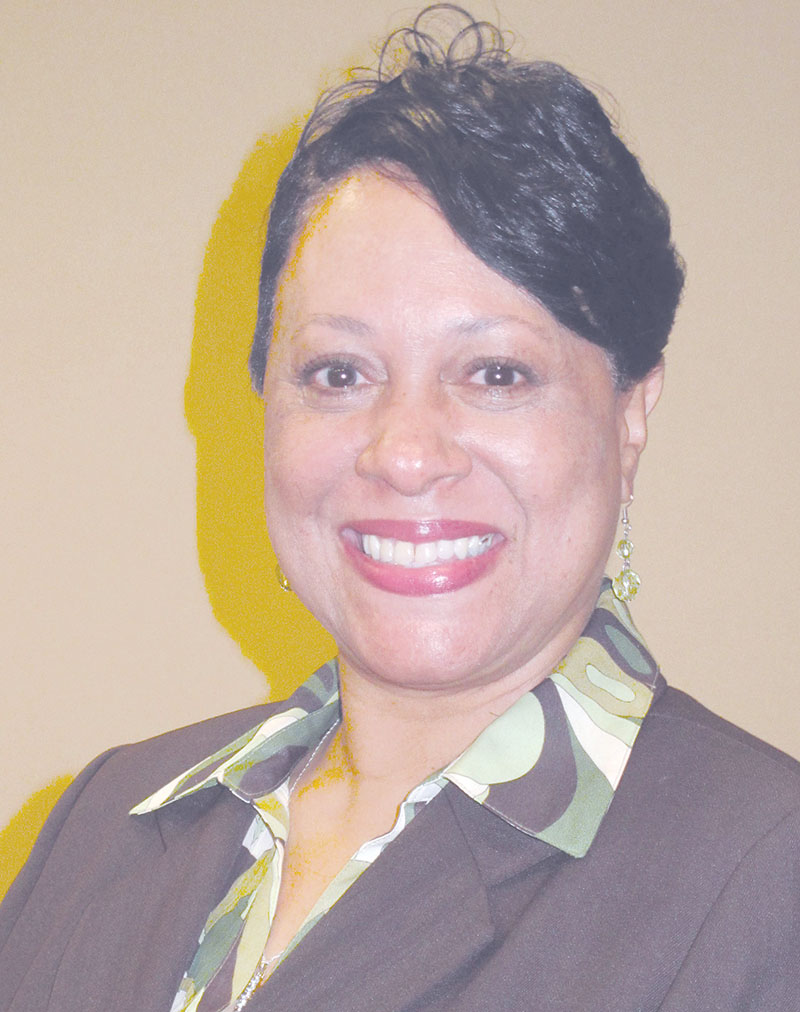
    Beverly Griffin Colley

    BLYTHEWOOD – Born and raised in Blythewood, Beverly Griffin Colley is now the new Blythewood Town Clerk. She was hired by Council Monday evening by a unanimous vote. Colley has worked the last nine years in the office of Congressman Joe Wilson in West Columbia.

    “I was raised right down the street,” Colley told Council, “and I’m looking forward to coming back to work in my hometown and serving to the best of my ability.”

    Colley, who still lives in Blythewood, replaces former Town Clerk Martha Weaver. Interim Town Administrator Jim Meggs told Council there were about 15 applicants for the Town Clerk position and that at least a dozen were interviewed. Colley will assume her duties at Town Hall in about two weeks.

  • Former Bengal Ferrell Aims for NFL

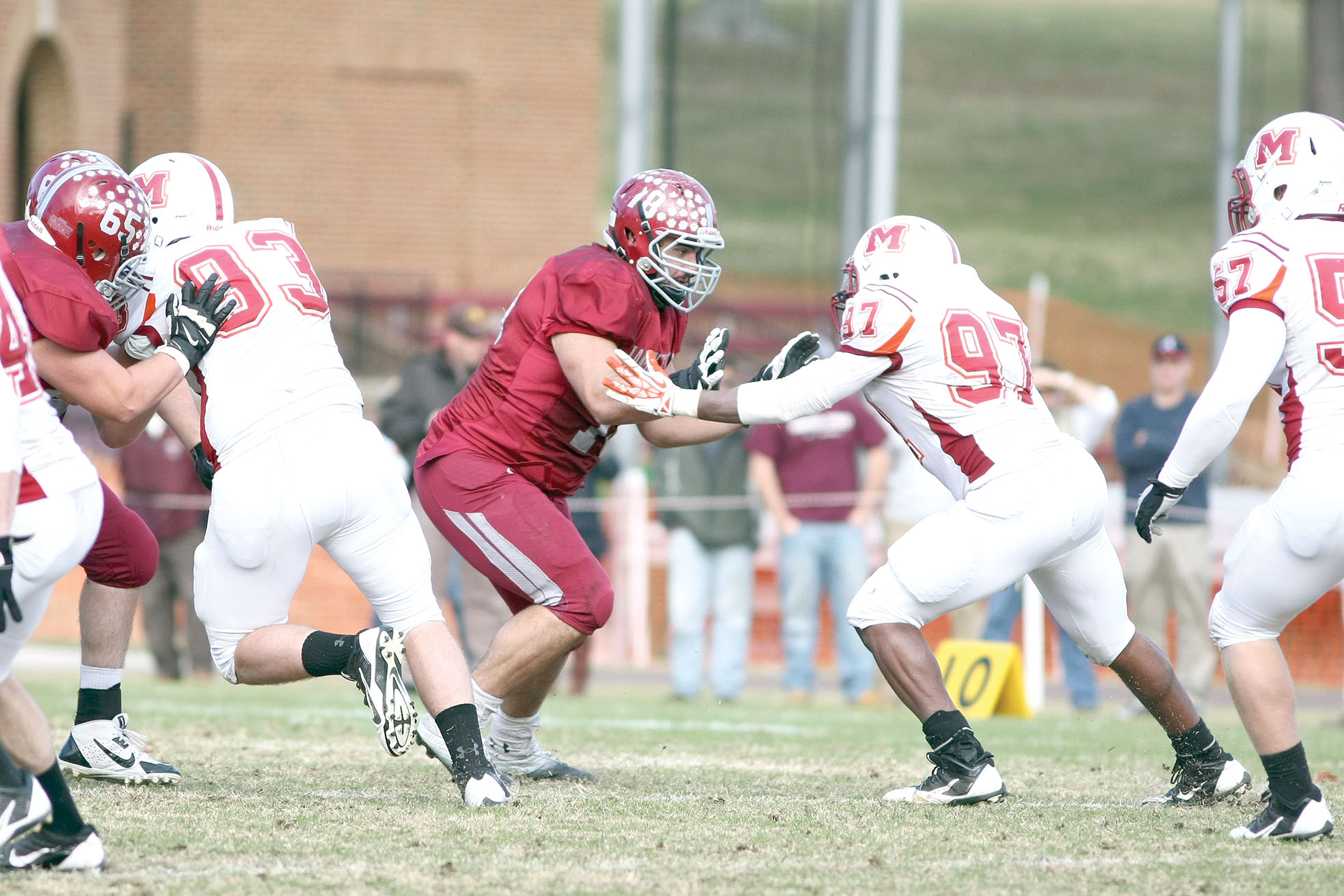
    Will Ferrell (18) in action last fall against Maryville College.
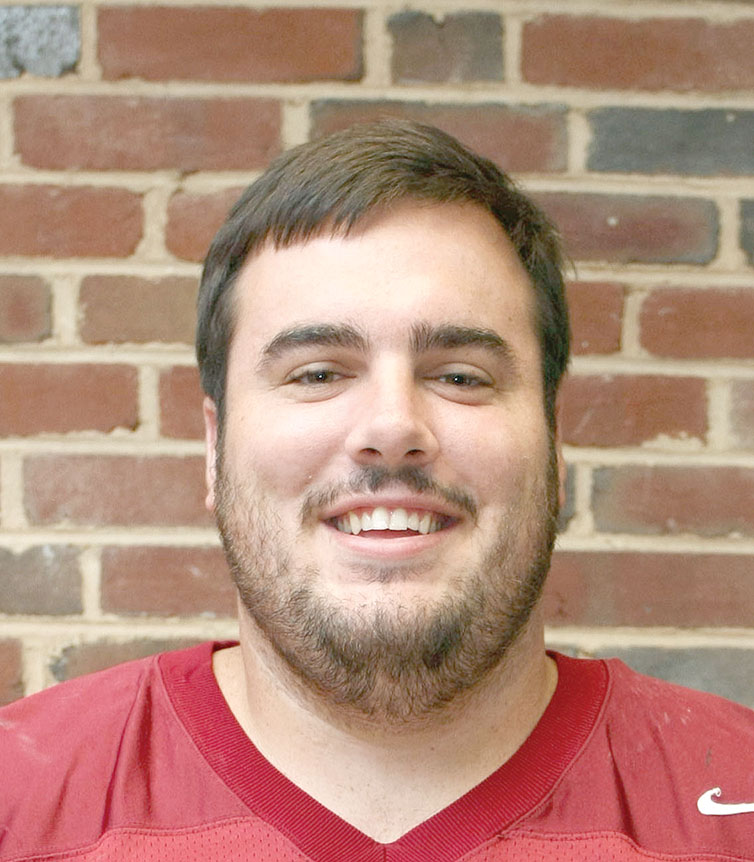
    Will Ferrell

    RICHMOND, Va. – Hampden-Sydney senior offensive lineman Will Ferrell from Blythewood, was one of two dozen local football prospects invited to the Pro Day at the University of Richmond last week.

    NFL hopefuls from Liberty, James Madison, Virginia State and Richmond joined the Tiger All-American in the workout. There were 19 NFL scouts on hand to evaluate the players.

    “I was pleased to have the opportunity. After my nerves settled down, I felt really good about my workout,” Ferrell said after the workout.

    Ferrell, the three-time First Team All-ODAC tackle, recorded the second strongest lift, benching 225 pounds 30 times. He also clocked in at 5.1 in the 40-yard dash. The former Bengal graduated from Blythewood High School in 2009.

    “Will’s career has been truly remarkable,” said offensive line coach Zeke Traylor. “He will graduate as one of the most decorated Tigers in our storied history, and I could not be more proud of what he’s accomplished while at Hampden-Sydney. I wish him nothing but the best as he moves to the next level.”

    Ferrell started in all 44 games of his career while helping the Tigers to three NCAA appearances, two ODAC Championships, and 32 wins. His accolades include: All-American in 2012 (AFCA); First Team All-ODAC in 2011, 2012, and 2013; the Offensive Lineman of the Year in 2012 and 2013 (Touchdown Club of Richmond); and Second Team All-Region in 2013.

    The NFL draft will begin on May 8 in New York City.

  • Art Deco & The Alamo?

    A Cartoon, a Newsreel and a Talkie for a Nickel?
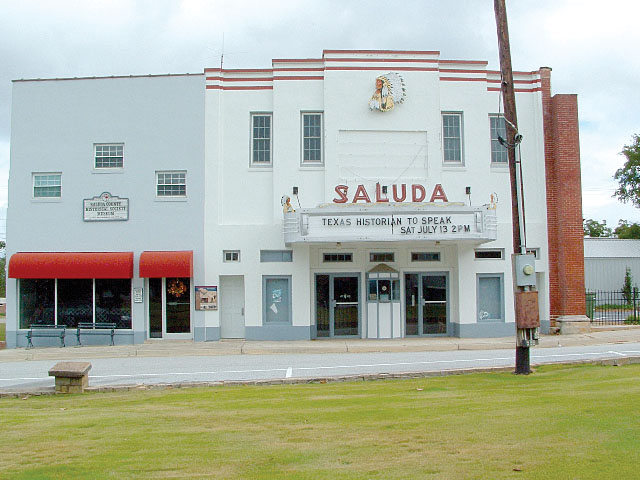
    No; but it is a very cool looking theater. Check it out – and more – in downtown Saluda.

    For many years I drove down Highway 378 to my family home in Georgia. The journey took me through downtown Saluda. There I noticed a handsome old theater, the Saluda Theater. I didn’t know much about it, but that changed in 1987 when I was working on a book for the University of South Carolina Press. When researching and writing “South Carolina, A Timeless Journey,” I wrote a chapter, “Highway 378,” in which I covered the Saluda Theater. What a great history this theater owns. Drive 60 miles southeast and you can see the handsome theater and its colorful sign.

    The theater, built in 1936, is 78 years old. Back when I interviewed Mary Parkman, then-executive director of the Saluda County Historical Society, she said the theater opened with Shirley Temple’s “Susanna of the Mounties.” Over the years the theater hosted Lash Larue, the whip-wielding cowboy, and other notables. When cable TV and the video rental explosion hit, the old theater’s days were numbered. It closed in 1981 after a 45-year run and gathered dust.

    It was a good day in 1987 when Saluda County bought the theater and donated it to the local Historical Society. Renovations followed and in August 1990 the ABC-TV miniseries used the theater as the set for a scene in “And Justice For All.”

    Back in its heyday, two old arc projectors that burned carbon rods stood side by side back of the balcony. Those old projectors put out a ton of heat and fire was a possibility. The small projection booth where they stood had two trap doors held open by cotton strings that ran across the lens housing. If the projectors overheated the strings caught fire, burned in two, and trap doors slammed shut, shutting off the supply of air, a rudimentary safety strategy.

    Today the theater is on the National Register of Historic Places. If you make the trip to see it you will see that it looks much like it did in 1936. Its art deco design supports the fact that it was built in 1936, a time when precise and boldly delineated geometric shapes and strong colors dominated architecture in small towns. Few theaters like the Saluda Theater exist in the United States today. Appropriately, a museum stands adjacent to the theater.

    Native American history is strong in Saluda County. When you go, be sure to check out the mural across Highway 378 that depicts Old Hop and other Cherokee chiefs ceding their territory to Governor Glen on July 2, 1755. As well Saluda County has ties to the Alamo. Native sons William Barrett Travis and James Butler Bonham were at the Alamo where both died in the Texas Revolution. Locals like to say “Saluda County is where Texas began.”

    Plan a drive over to Saluda and ask about other historic sites such as “Flat Grove” and the Marsh-Johnson House.

    If You Go …

    • Make your way to Highway 34 and follow it to downtown Saluda. The theater is adjacent to the courthouse at 107 Law Range.

    • Learn more about the Saluda Theater at www.saludacountyhistoricalsociety.org/saluda-theater/12-saluda-theater.html


    Learn more about Tom Poland, a Southern writer, and his work at www.tompoland.net. Email day-trip ideas to him at tompol@earthlink.net.
  • Home on the Range . . .

    Landowner Pelham Lyles stands outside the holding pen as the buffalo are unloaded from the trailers.

    Say Cheese: Asian Water Buffalo Find New Home in Fairfield

    Like an updated, gourmet-food version of the Oregon Trail video game, Alvaro Valle, 32, has journeyed with his herd of Asian water buffalo from Gainesville, Fla. to Fairfield County over the course of three years, in search of affordable grazing pasture within a short drive of fine dining restaurants. Since purchasing his first heifer from the herd of his former graduate advisor at the University of Florida, where Valle received his master’s degree in Ecology in 2009, he’s been on a mission to produce what the New York Times called the “great white whale of American cheesemaking” – the near-fabled mozzarella di bufala.

    In great demand by James Beard-awarded restaurants like Fig in Charleston, true Italian-style buffalo mozzarella is an artisanal cheese that can sell for $20-$30 per pound.

    “There’s only about a handful of guys in the U.S. that are trying it,” Valle said, “because making this cheese is so difficult. It’s very different from the ‘buffalo mozzarella’ you might see at Costco for $4.50 a pound.”

    He explained that there are three main requirements for making artisanal buffalo mozzarella – first, the milk has to be of the highest quality, which comes from the buffalo being as grass-fed as possible. Two, it needs to be eaten the same day it’s made, or within a day or two at the most. And three, it can’t be refrigerated.

    “And of course,” he adds, “it’s a high-end product, so you need to be in a place that can sustain that. That’s why I moved to Fairfield County, to get into the culinary culture in Charleston. In the last couple of years, I was ready to build a dairy and start milking, but I wasn’t able to get traction with the right land there.”

    Valle said he’s very pleased with the land that he’s now renting in Fairfield County from Pelham Lyles, a lifelong resident of Fairfield County and Director of the Fairfield County Museum. Valle said the location, just a few miles south of Winnsboro on Highway 34, is ideally located for working with restaurants in Charleston and Columbia.

    Lyles’ 250-acre farm is part of an 1,100-acre farm that her grandfather purchased in parcels during the 1930s and ’40s.

    “He ran a herd of 200 white-faced Herefords as a hobby,” Lyles recalled. Her father passed the land down to Lyles and her four siblings. “I had always dreamed of having a horse farm here on my farm, but I couldn’t afford the investment. I love the land. The opportunity to partner with Al has provided the ideal setting for his herd, and it provides me with a little income from my land.” Looking out across the open fields at the herd, Lyles added, “I really love having animals on the land again.”

    “Before I found the land on Ms. Lyles’ farm,” Valle said, “I just stashed the herd where I could around the state – some in Kingstree, some on John’s Island, some down near the Edisto River. Now I’ll be able to have all the buffalo together within the month, and they’ll be ready to start milking by summertime.”

    Valle was born in Nicaragua, but the family moved to the United States when he was a child. His parents, Alvaro and Lucia, live in Chattanooga, Tenn., where his father is a surgeon, and they are very supportive of Valle’s work with the buffalo.

    “My mom grew up on a farm, and my dad always wanted to farm,” Valle said. “This is kind of a family venture. We’ve put family resources into it, and my dad is often part of the day-to-day decision-making. If the business takes off, I can see them moving here and becoming even more of a part of it.”

    Valle’s mentor, the late Hugh Popenoe, was one of the foremost experts on water buffalo in the United States. He began importing them in the 1970s, and served as president of the American Water Buffalo Association.

    “I wanted to farm, and to make an impact doing something that nobody else was doing,” Valle said. “I found this niche with my advisor, and I’d always felt comfortable with cattle, so that’s why I got into it.

    “It’s hard work, but the buffalo are great to work with,” he said. “People sometimes think these are the same wild, fierce creatures you see on National Geographic, but the reality is that domesticated water buffalo are extremely docile. They’re also a great species for the southeast. Water buffalo have been in South Carolina since colonial times, and were used to farm rice fields in Charleston. They’re just more productive for this particular environment – they can subsist on lower-quality forage than a cow, and they gain more weight from the same amount of feed.”

    Valle said he’s developed a good working relationship with his water buffalo over the years.

    “My Australian Shepherd, Pipa, has a natural herding instinct with them, but they don’t need a lot of that yee-haw-ing,” he said with a smile. “They just come when they’re called.”

  • History & Nature

    She’s a block – House!
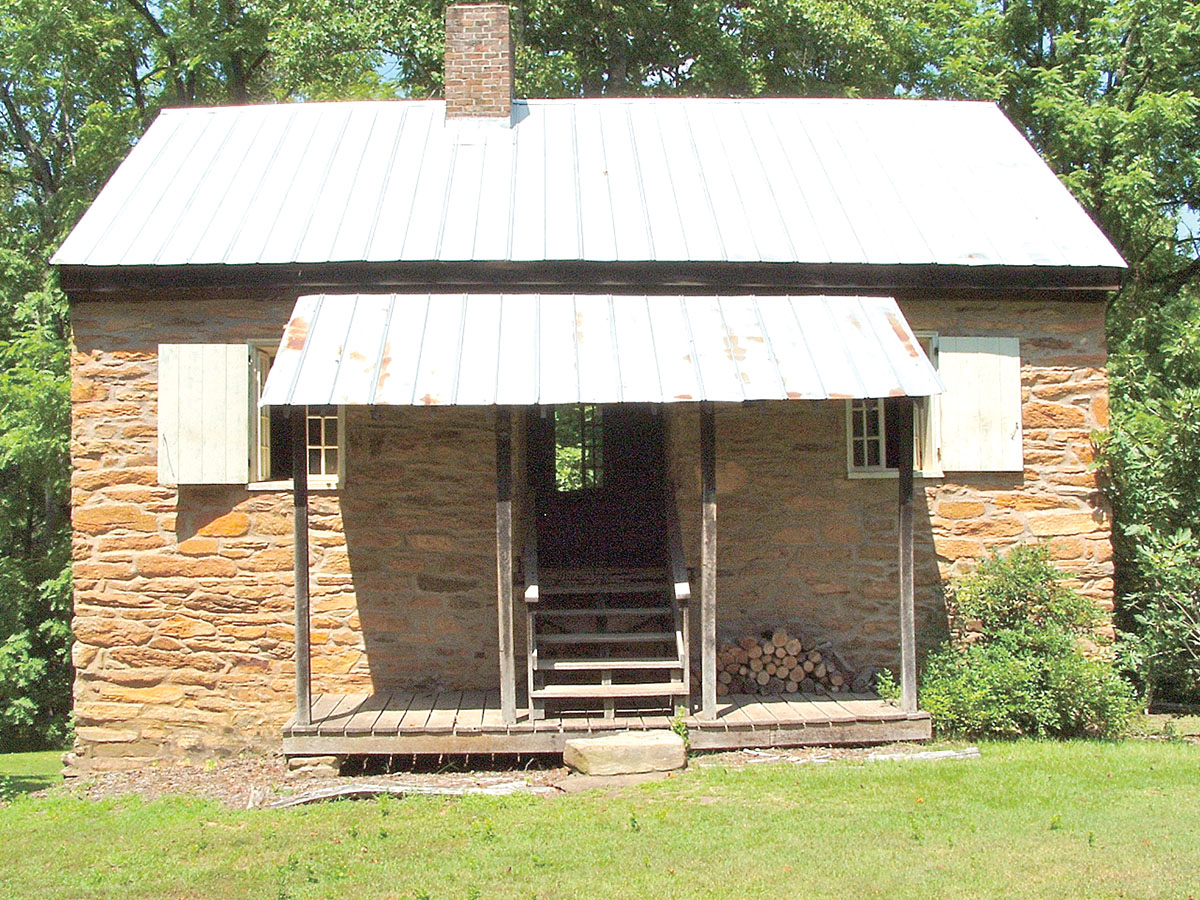
    Oconne Station served the S.C. State Militia from 1792-1799. See it, and lots more at Oconee Station State Park.

    A destination with history and natural allure opened on March 1. Get some comfortable walking shoes and a stout hiking stick and head to the northwest corner of the state. In one trip you’ll see 18th and 19th century South Carolina while enjoying spring wildflowers, cool air, low humidity and stunning mountain vistas covered in splendid shades of new-leaf green. Rocks, water and nature. It’s all here.

    You’ll see an old military compound, Oconee Station, that became a trading post. See this solid enduring stone blockhouse that the S.C. State Militia used as an outpost from around 1792 to 1799. The blockhouse was built as a haven from Indian attacks. Thirty of the “hardiest and best hunters” defended the blockhouse. See the nearby William Richards House as well.

    Here you’ll get a beautiful mix of history, nature and outdoor recreation. A 1.5-mile nature trail connects hikers to a trail leading into Sumter National Forest. The trail ends at Station Cove Falls. Camp at nearby Oconee State Park if you like before summer heat and pesky insects arrive. The park has rustic, Civilian Conservation Corps-era cabins and a lake with a swimming hole. You can rent a canoe and fish. Hike wooded nature trails that wind through the foothills region. Trails connect with the Foothills Trail, South Carolina’s 80-mile wilderness hike on the Blue Ridge Escarpment. One trail connects Oconee Station with Oconee State Park.

    Particularly rewarding is the hike to Oconee Station Falls, known also as Station Cove Falls. I hiked it one summer afternoon and though it seemed longer than it is (.7 mile). On a hot day the falls at the end make the effort worth it. I find Oconee Station Falls to be one of the state’s more beautiful falls. The hike takes 25 minutes to half an hour and as you walk you’re moving through a mountain cove forest. Crossing a sandy stream I saw a huge cat-paw print and both bobcat and mountain lion crossed my mind. When you get to the falls, its 60-foot stepped plummet makes you stare. Go on a spring day. Look for wild flowers such as trillium, mayapple, pink lady’s slipper orchids, bloodroot and redbud. Take a picnic lunch and relax at the boulders at the base of the falls.

    Take Highway 34 to I-26, on up to S.C. 11, the Cherokee Foothills Scenic Highway, a treat itself. About three hours and 148 miles will take you to Walhalla. From Walhalla, take S.C. 183 north to S.C. 11. Take S.C. 11 north for two miles. Signs show the way to Oconee Station State Park. Turn left onto Oconee Station Road and follow two miles to Oconee Station.

    If You Go …

    Oconee Station Historic Site

    Admission: Free

    Days and Hours of Operation: March 1 to Nov. 30, 9 a.m. to 6 p.m., daily.

    Historic structures are open from 1 to 5 p.m. Saturday and Sunday with guided tours available.

    Get more information at www.southcarolinaparks.com/oconeestation/introduction.aspx

    For information on Oconee State Park visit www.southcarolinaparks.com/oconee/introduction.aspx


    Learn more about Tom Poland, a Southern writer, and his work at www.tompoland.net. Email day-trip ideas to him at tompol@earthlink.net.
  • Local Bill Mends District Lines

    Bobby Cunningham, once again District 5 representative on the Fairfield County School Board.

    WINNSBORO – After nearly three years of disenfranchisement, District 5 once again has representation on the Fairfield County School Board of Trustees, thanks to a piece of special legislation signed by Gov. Nikki Haley on March 4. The bill (S1002), introduced by Sen. Creighton Coleman (D-17) in the State Senate on Feb. 5 and Rep. MaryGail Douglas (D-41) in the House on Feb. 18, was designed to return School Board member Bobby Cunningham to District 5 after he was drawn out of his district and into District 6 in 2011. The redistricting followed the 2010 census information that showed a shift in racial demographics in areas of the county and was required by federal law.

    The process that led to an incumbent being drawn out of his district, however, has come under scrutiny. The State Budget and Control Board (BCB) provides county councils across the state with district maps for their consideration, according to Will Roberts of the BCB’s Office of Research. Residences of incumbents are clearly marked on the maps, Roberts said, “To make sure they don’t get drawn out.”

    But Cunningham did get drawn out, leaving District 5 without representation on the School Board and piling two representatives – Cunningham and William Frick – into District 6.

    County Council reconfigured the district lines, Roberts said, to meet federal demographic requirements. The new map was then approved by a county ordinance and submitted to the U.S. Department of Justice for approval (approval by the D.O.J. may not be required in future redistricting, since the U.S. Supreme Court recently struck down Section 4 of the Voting Rights Act, Roberts noted).

    Council Chairman David Ferguson (District 5) said he was not aware Cunningham had been drawn out of the district the two men share, nor was he aware of the legislation to return Cunningham to District 5 until the bill had already made it through both houses of the General Assembly. Ferguson also said he was not certain if the homes of incumbents were marked on the map provided to Council by the BCB.

    “I’m not sure that they were,” Ferguson said. “That’s not our job. That’s the responsibility of the people who make the decisions in Columbia. They send the maps up here.

    “That Board member (Cunningham) did not call me, Creighton Coleman did not call me, MaryGail Douglas did not call me,” Ferguson said. “If they had, I would have gone back to the Budget and Control Board to see what the deal was. They are the professionals who know where the lines go.”

    Cunningham said he only found out he was no longer in District 5 when he went to vote in the 2012 elections.

    “I knew they had redrawn some lines,” Cunningham said, “but I had no idea it could affect someone in the middle of their term. Why was a sitting official zoned out of their district? Who signed off on it? Was my residence marked on the map? My biggest concern was an incumbent was redistricted and received no notice until they went to vote.”

    Debbie Stidham, Director of the Fairfield County Voter Registration Office, said her office mailed out new voter registration cards and notifications to voters whose districts had changed after the 2011 redistricting, even though her office was not required by law to do so, she said. She said she could not explain why Cunningham either failed to receive or overlooked notification.

    Coleman said the legislation effects nine people including Cunningham, who now all return to District 5.

    “It’s something I wish we didn’t have to do,” Coleman said. “He shouldn’t have been taken out of his district and we shouldn’t have had to go through the hassle of drawing up (the legislation), shepherding it through the General Assembly and having the governor review it and sign it.”

    Ferguson said rumors that he intentionally drew out Cunningham were untrue. Kirk Chappell, Ferguson’s opponent in 2000, also saw his district change from 5 to 3 in 2011. Ferguson said that change came at the request of Councilman Mikel Trapp (District 3), who needed to gain minority population in his district and therefore asked to absorb Jackson Creek Road, where Chappell lives, into District 3. Minutes from the Sept. 26, 2011 meeting confirm Ferguson’s recollection of the events and show where Trapp requested the change. Meetings from meetings leading up to the final redistricting ordinance also show where Council had been given clear guidelines by the BCB for redrawing the lines, including a presentation by the BCB’s Wayne Gilbert on Aug. 29, 2011 that included the directive “locate incumbents.” First reading of the ordinance (591) passed that same night, and after a work session on Sept. 7 where it was determined that districts 1 and 7 required the most corrections, second reading then passed on Sept. 12, 2011.

    Final reading passed on Sept. 26, 2011 after attorney John Moylan told Council that all the BCB’s guidelines had been met, including “not to pit incumbents against each other – whether they be County Council or School Board members,” minutes from the meeting state.

    “Am I sorry it got done like that? I certainly am,” Ferguson said. “Had Mr. Cunningham or anyone called me, I would have made every effort to get him back in his district.”

    Now firmly back in District 5 and nearing the end of his four-year term on School Board, Cunningham said he is considering a continuation of his political career.

    “I am weighing my options,” Cunningham said.

  • Nature: Top Secret

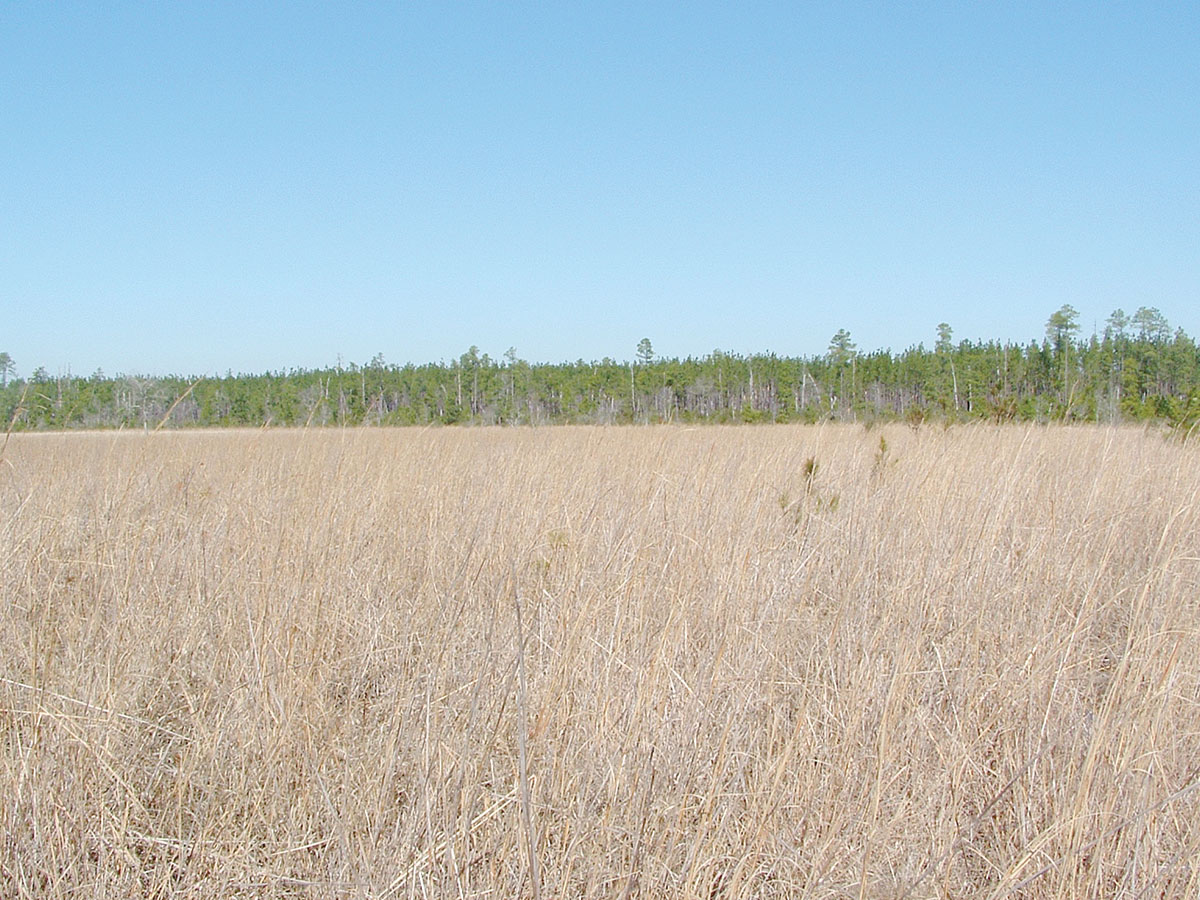
    Meadow? Lea? Grassland?
    All of the above at the Savanna River Site.

    This day trip may present the most interesting place of all for a simple reason: Few people are allowed to see it. My history with the place goes back 28 years. One July day in 1986, a self-assigned writing project took me to the Savannah River Site. And what a site! It covers more than 310 square miles.

    In building the “bomb plant,” the government moved the town of Ellenton lock, stock and barrel, a disruptive event like few others. Way back then, in the early 1950s, a hand-lettered sign at the city limits expressed the evicted peoples’ sentiment: “It is hard to understand why our town must be destroyed to make a bomb that will destroy someone else’s town that they love as much as we love ours. But we feel that they picked not just the best spot in the U.S., but in the world.”

    A new town was made for the displaced, New Ellenton. Many younger residents who left Ellenton, however, never returned. Of those 50 years or older who relocated to New Ellenton, over half died within a decade. Expatriates forbidden to visit their old homes, their will to live withered. Neither were the dead spared. One hundred and fifty graveyards were relocated to a real eternal rest.

    However, the tight security has made the site a rich and diverse natural area. Carolina bay wetlands and biological diversity ennoble this place. In a great paradox, a place that refined materials for hydrogen bombs created a grand oasis where more than 240 bird species, more than 100 species of reptiles and amphibians and nearly 100 species of freshwater fish live. A creek coursing through here exhibits the greatest diversity of invertebrates of any creek in the Western Hemisphere. South Carolina’s largest alligator — over 13-feet long — lived here. As one-time SRS Ecology Lab Director Whit Gibbons pointed out in USA Today, “These are not nuclear mutants, simply specimens grown large because they are not hunted or fished. It’s a pretty simple formula. The best protection for the environment is no people.”

    SRS will offer 22 general driving tours to the public in 2014, giving approximately 1,100 people a chance to see the site. Tour check-in begins at 12:30 p.m. at the Aiken County Applied Research Center, located off Highway 278, near the site’s northern boundary. Guests will get a safety briefing, tour of the Savannah River Ecology Laboratory and general driving tour of the site. The tour will conclude at approximately 4:30 p.m.

    Site tours provide an opportunity for those interested in SRS to better understand the Department of Energy’s facilities and workers that changed the face of Aiken, Barnwell and Allendale counties, area cities and helped win the Cold War. Guests will also learn about the site’s future missions.

    Be advised that specific natural areas, however, are not part of the tour. You just can’t go to SRS without solid justification, but you can apply for one of the guided tours. You won’t see any natural areas though. And if you don’t take a tour? As close as you will get is driving through on S.C. Highway 125.

    If You Go …

    To Apply For A Tour …

    www.srs.gov/general/tour/public.htm for dates, times, and other details.

    Learn more about Tom Poland, a Southern writer, and his work at www.tompoland.net. Email day-trip ideas to him at tompol@earthlink.net.
  • ‘This is My Home’

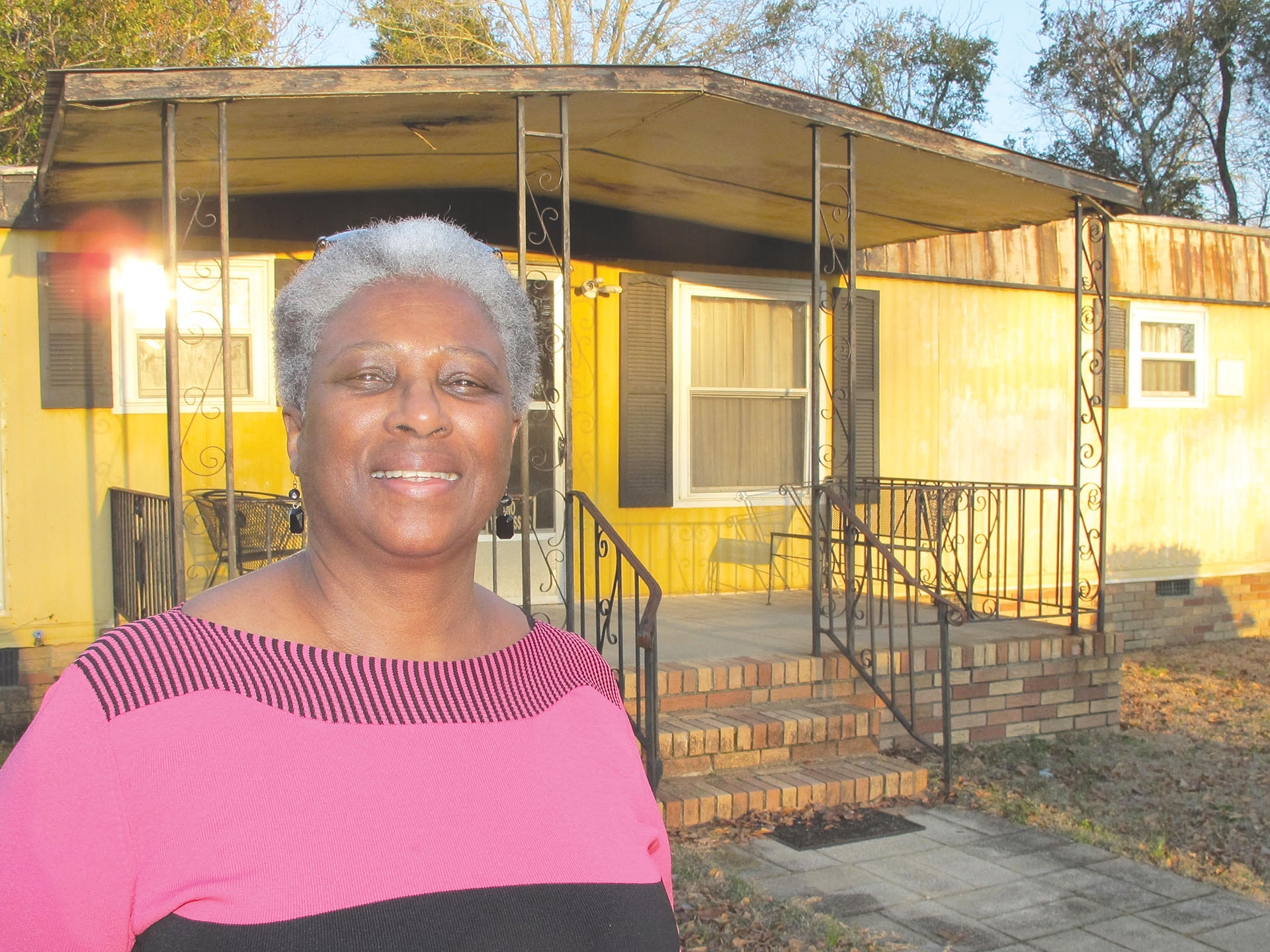
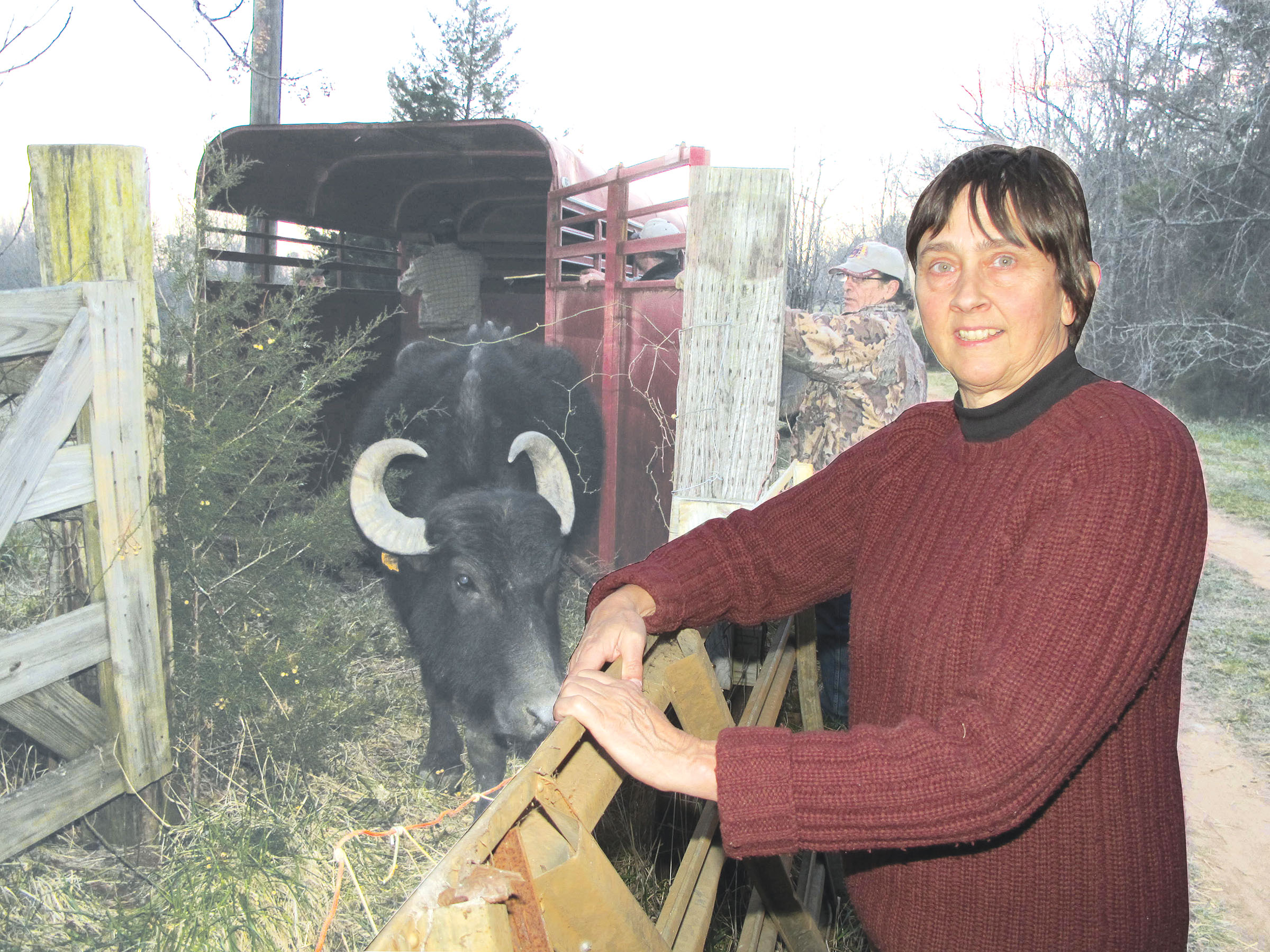
    Debra Scott stands outside the home where she grew up and where she has returned to live – the home she recently learned the Town had designs on ‘taking.’

    Woman Shocked to Learn of Town’s Plans to ‘Take’ Property

    BLYTHEWOOD – During the past year, the Ball Field Committee of Mayor J. Michael Ross has discussed ways to increase the number of fields at the Blythewood Park Rec Center as well as build new fields on 8 acres that Richland School District 2 owns behind Bethel-Hanberry Elementary School. Both sites are on Boney Road. On several occasions Bob Mangone, former chairman of the committee, has suggested that the three fields at the Rec Center could be expanded with the help of a government ‘taking’ of a 1.5-acre residential lot with two trailer homes that is adjacent to the current fields. Mangone said the trailers appeared to be vacant and that a records search by the Town’s attorney to find the owners of the property was unsuccessful.

    Earlier this week, however, Debra Scott, who lives in one of the homes on the lot, called The Voice after reading in a recent issue of the newspaper about the Committee’s plans to possibly ‘take’ the lot and its homes through a government taking.

    “I live in one of those homes,” Scott told The Voice in a phone conversation, “and my cousin lives in the other one. And nobody is going to take it from us. This property has been in my family for many generations, I don’t know how many. But I do know that my great grandmother Collette McDaniel grew up here, my grandmother, who was one of Collette’s 14 children grew up here, my mother Charlotte Young grew up here and she raised me right here in this house (the larger of the two trailer homes now sitting on the land.)”

    Scott said no one from the town government had called her or left a note on her door in an effort to contact her. The Voice accepted an invitation from Scott to visit the property where she gave a tour of the lot and her home, which was immaculately tidy inside and out.

    “There used to be a wood house right over there,” Scott said, pointing to a front corner of the wooded lot next to the Blythewood Park tennis courts, “and that house might have been there since the late 1800s; I’m not sure. That’s where my ancestors first lived. We tore it down not too long ago and had it hauled off. My mother moved into this house when I was born, and I was raised right here.”

    After graduating from high school, Scott was married and she and her husband moved to Columbia where they bought a home that she still maintains. Her two daughters, Nikki and Chastity, have families and still live in Columbia.

    “My mother lived here in this house until last year when she had to move into a care center. So I moved back,” Scott said. “I walk over to church at Bethel Baptist every Sunday morning just as I used to walk to Bethel School across the street when I was young,” she recalled with a smile.

    Scott, who works for a care facility in West Columbia, said she doesn’t really know how long the property, which is in a family trust, has been the home place of the McDaniels. But she said it’s still the heart of the family. She said many relatives in Blythewood as well as those far flung from the home place, come back every few years for the occasions of funerals and family reunions.

    “It’s nice being here next to the park,” she said. “My grandchildren like to go over and play there when they visit.”

    Standing in the yard as she looked around the property, Scott reminisced, “It’s always been a nice safe place, and I’m near a lot of relatives and lifelong friends, and I have lots of memories. It’s my home. It’s the place all my relatives come back to. It means something to us and we don’t want it taken from us.”

    Contacted by The Voice about Scott’s phone call, Mangone said he would be in touch with her soon.

    “We certainly don’t want to take a property where someone lives and has so much history,” he said. “We were looking for more space for fields and just thought no one lived there. But that’s fine with us. We wish Ms. Scott well, and we’ll look elsewhere.”

  • Baughman Wins Council Seat

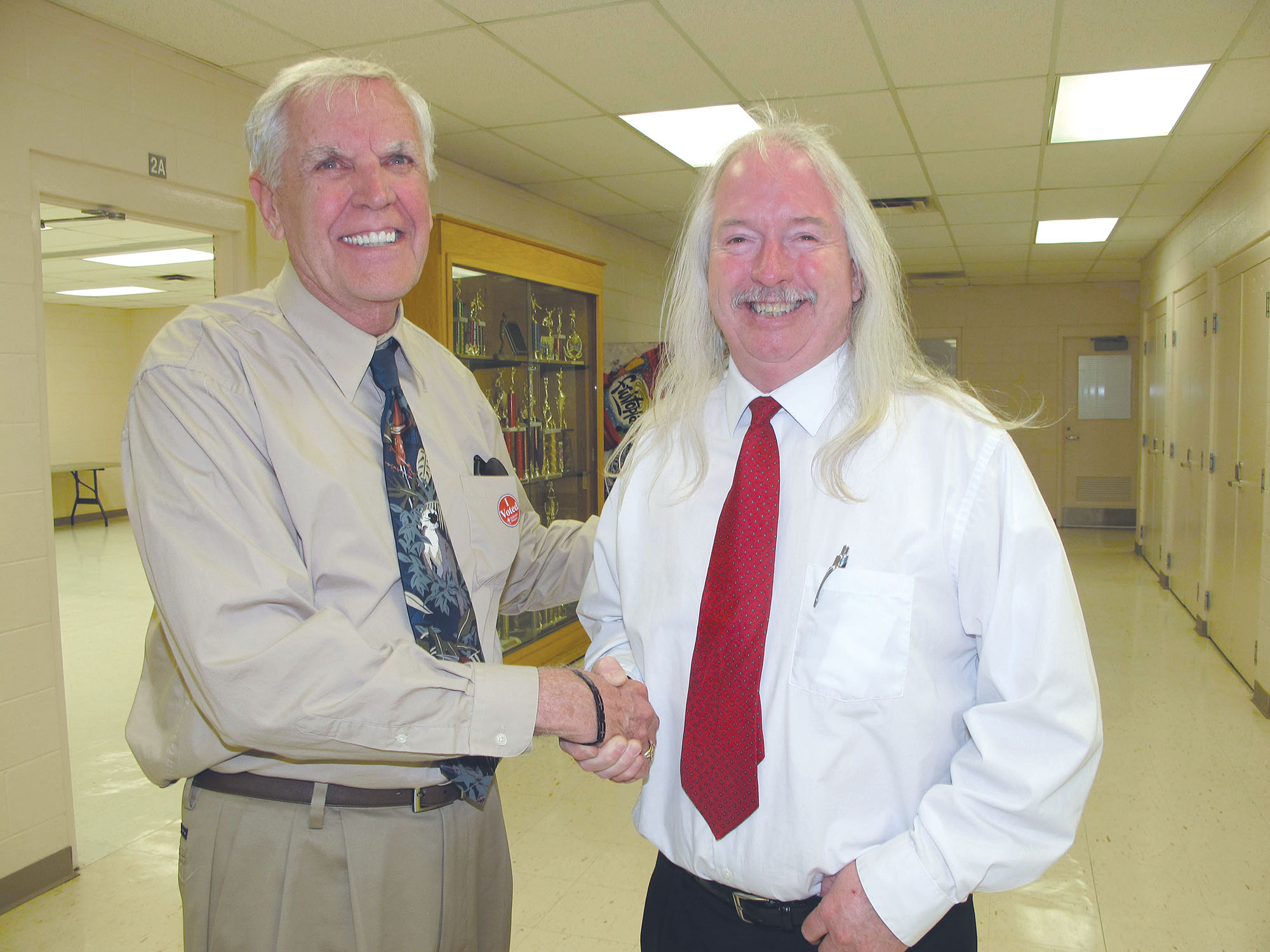
    Newly elected Town Councilman Eddie Baughman, right, is congratulated by his opponent, James Arnold.

    BLYTHEWOOD – Two newcomers to Blythewood politics faced off Tuesday with Eddie Baughman taking home the prize almost 2-1. Baughman’s 60 votes topped write-in candidate James Arnold’s 33.

    With a low turnout of approximately 6 percent, the special election primarily attracted voters from the candidates’ home precincts. Baughman, who lives in the Lake Ashley area, received 39 votes to Arnold’s 10 in Blythewood Precinct 2, where residents of the Lake Ashley area vote. Arnold, who lives in Ashley Oaks, received 17 votes to Baughman’s 8 in Blythewood Precinct 3, where residents of Ashley Oaks vote. Baughman received 11 votes in Blythewood Precinct 1 to Arnold’s 6, and Baughman took the single vote cast in the Ridgeway Precinct and the single vote cast in LongCreek Precinct.

    While 95 voters signed in to vote, only 93 votes registered. Poll clerk Vertis Wilder explained that the discrepancy will be accounted for before Thursday when the election is certified.

    Baughman will be sworn into office at the regular March 24 Town Council meeting. The seat has been vacant since December when Roger Hovis resigned to go to work for the Richland County Sheriff’s office.

    Final Vote Tally

    Eddie Baughman………….60

    James Arnold……………….33

    Total voters………………….95

    Voter Turnout: 6%