Tag: slider

  • D-Day: Jumping into History

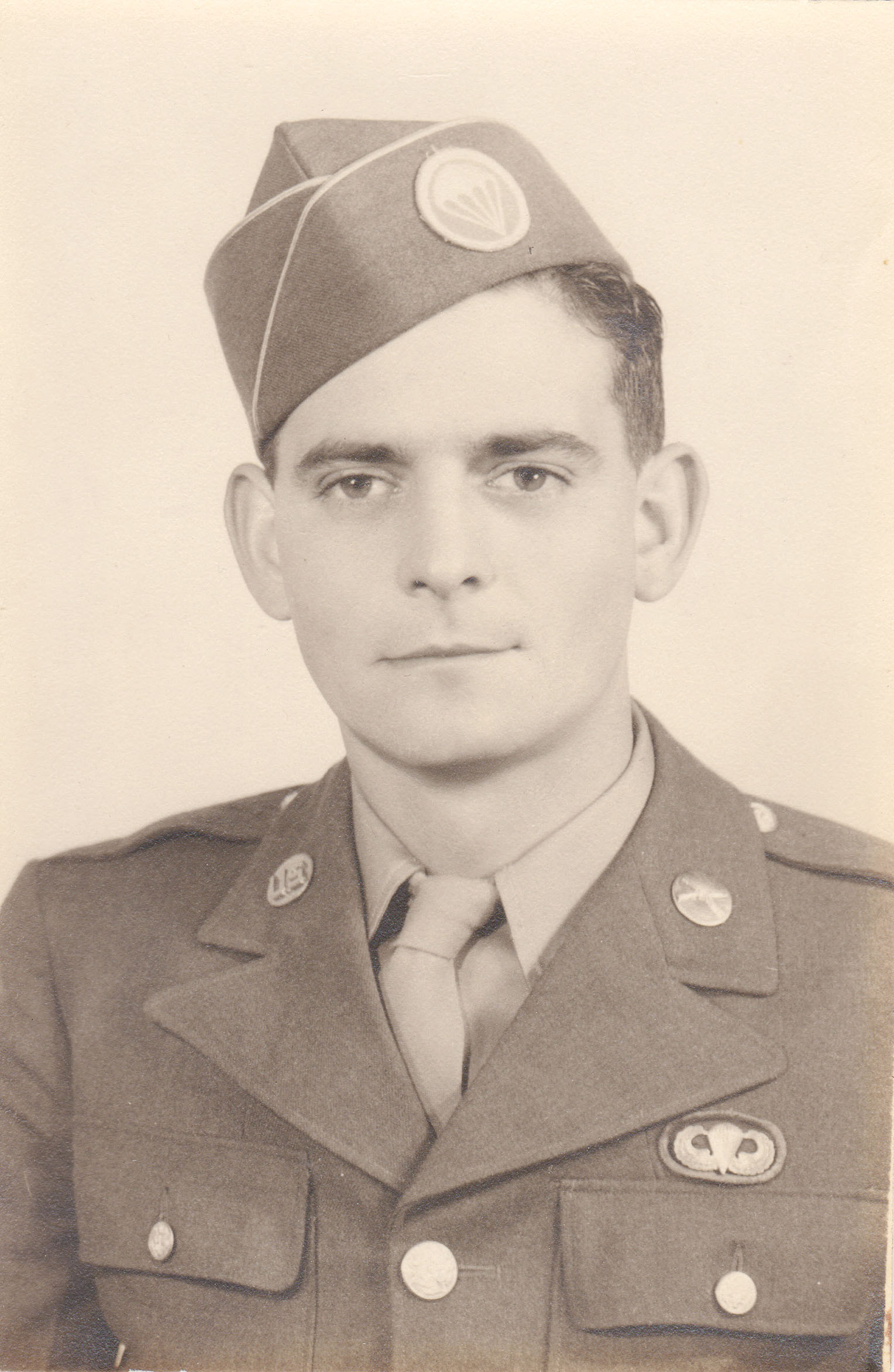
    Staff Sgt. Bruce Baker

    ‘Longest Day’ Turns into Long Haul for Father of Publisher

    BLYTHEWOOD – Shortly after my dad, Bruce Baker, enlisted in the Army on Oct. 6, 1942, to serve in World War II, he learned paratroopers were being paid $100 a month more than the regular infantry, so he opted for the higher pay and the 508th Parachute Infantry Regiment, which was attached to the 82nd Airborne Division. While he had never even flown in an airplane, much less jumped out of one, he saw parachuting as an easy way to earn extra money for his wife and their growing family back in Texas. In the predawn hours of June 6, 1944, he might have been rethinking that easy money as he scrambled to make his first combat jump out of a low-flying C-47 troop transport plane over Normandy, France under the most harrowing of conditions. The day was D-Day – and that jump was the last one he would ever make.

    The 10,000+ paratroopers of the 82nd Airborne Division were an integral part of the Western allies’ massive plan to liberate Europe from Nazi occupation and stop Hitler’s advance toward the west and, potentially, the world. The paratroopers were assigned what has been described by some as probably the most difficult task of the initial operation — a night jump behind the enemy lines five hours before the coastal landings. It was the greatest airborne assault in history at that time. After making landfall, the paratroopers were to destroy vital German supply bridges, capture causeways and prepare the way for thousands of allied ships, aircraft and infantrymen that would arrive on the heavily fortified beaches at dawn.

    While the first paratroopers were dropped largely on target, the planes carrying my dad and other paratroopers in the 508th were hindered by a dense cloud cover and increasing anti-aircraft fire, causing the troop carriers to break formation and stray off course. At the same time, the enemy began moving into the drop zones, delaying the pathfinder troops in marking those zones and causing the pilots of the troop carriers to overshoot the zones as they frantically searched for markers. My dad later told my mom how, when the green jump light flashed that morning, he and the other paratroopers on his plane dropped out of the open door of the aircraft into unimaginable chaos – dark skies, dense clouds, tracers everywhere and enemy fire. Plus, to avoid being hit by the enemy, the pilots of the troop carriers had to maneuver at greater speeds than would afford a good jump. My dad and many of the other paratroopers in the 508th landed widely scattered over the Normandy countryside, far from their jump zone and their well-planned assignments.

    On July 24, my mom received a telegram informing her that my dad had been reported missing in action on June 11. My brother was 2 years old and I was due to be born two months later. My dad later recalled how he and a buddy from Texas and several other soldiers had been dropped into an area virtually surrounded by German troops and were captured five days after their boots hit the ground. The Germans marched the captives for several days to a train depot where they were loaded into unmarked open-slatted railway cars that were strafed repeatedly by the Western allies as the prisoners were transported to Stalag 12D in Berlin, one of two prison camps where my dad would be held until being liberated by the Russian allies on Jan. 31, 1945.

    Of the 2,056 paratroopers in my dad’s 508th Parachute Infantry Regiment, 1,161 were either killed in action, injured or captured. While my dad survived the full blown, gut-wrenching glory that was D-Day and missed almost entirely the combat of the war, he did not escape the subsequent misery of starvation and other forms of deprivation and mistreatment he and his comrades endured as prisoners of war.

    Shortly before the war ended in Europe in May 1945, my dad was joyously welcomed home by his family and friends. My brother was 3 years old and I was 8 months old. It was the first time my dad had seen me.

    My dad never appeared to carry much emotional baggage from his experiences in the war and, for the most part, picked up where he left off before enlisting – hunting his wolf hounds and coon dogs by night and working in the oil fields by day. Some summers, he played baseball on a team with other men in our town. In 1982, he died in Young County, Texas where he had lived his entire life, and almost everyone in our town attended his funeral. While he never talked much outside his family about his experiences on D-Day or in the prison camp, I grew up with the vivid realization that my dad was revered as a war hero by the 200 or so folks in our small Texas town.

    He was a favorite son in the truest sense. They knew what he had done, and they were proud and thankful to him. It was not until I was older that I realized that sense of gratitude extended beyond our town.

    As will be recalled on Friday, the 70th anniversary of D-Day, the whole of Europe, Great Britain and America was proud and thankful to my dad and to all the soldiers who helped save us all from the unspeakable evil that had spawned the war and threatened the world.

  • Takiya Rocks the Runway

    Holding up her trophy, Takiya acknowledges her adoring fans.

    Magnet School Student Named ‘Top Model’

    WINNSBORO — Takiya Willingham won the Rockin’ the Runway award for ‘best model’ at the Runaway Runway Show on April 5 at the Township Auditorium – but she isn’t just your average toast-of-Columbia supermodel. For one thing, she designs her own runway couture.

    And she’s just 12 years old.

    Willingham is a sixth-grader at the Fairfield County Magnet School for Math and Science and a student in Kimi Daly’s art class. Daly, who was recently named the school’s Teacher of the Year, recognized Willingham’s interest in designing a project for the show and encouraged her. She said that Willingham’s meteoric rise to fashion fame came only after months of toiling away on a dress that started out as, well, a pile of trash.

    Runaway Runway is an elaborate annual fashion show produced by the Columbia Design League, a member group of the Columbia Museum of Art. Up to 60 designers from around the state are featured, and the outfits must be created from used materials that would otherwise be headed to the landfill.

    “It’s a show that combines fashion, fun, creativity and environmental awareness,” Daly said.

    Willingham learned about the potential of recycled fashion when Daly showed the class two recycled dresses that were modeled in the 2013 and 2014 Runaway Runway competitions by her daughter, Tagan, who attends high school in Chapin. The students in Daly’s class were inspired and wanted to make their own recycled outfits, but Daly explained that it would take a lot of work, and would have to be a side project. Willingham was up for the challenge, and her creative vision was soon sparked while helping her grandmother clean out her house. There, Willingham discovered a bunch of old VHS tapes and magazines destined for the trash heap.

    “I thought they would make nice materials,” she said, “so I brought them to the art room at school. I broke open the videos, pulled all the tapes out and tore out my favorite pages from the magazines.”

    “I looked around at this big mess,” Daly recalled with a laugh, “and I said, Takiya, what are you planning to do with all this!? And she said, ‘I’m going to make a skirt.’”

    Willingham’s first hurdle was figuring out how to layer the strips of videotape. First she tried taping them together, a tedious process that took two months of after-school time. But when she put the skirt on and wore it down the hall, it fell apart.

    “Then she tried hot glue and duct tape,” Daly said. “It was an ordeal!”

    So it was a stroke of luck when Lois Robinson, a classmate’s grandmother, stopped by the art room one afternoon and noticed Willingham’s frustration.

    “Lois said, ‘let me show you how to sew, honey,’” Daly said, “and she taught Takiya some stitches.”

    “Sewing was easy,” Willingham said, “except for when I pricked my fingers!”

    After sewing the skirt, she wove together contrasting strips of magazine pages to form a bodice. Then she combined both parts to completely cover a $5 Goodwill dress that functioned as the underlying structure – a design option allowed in the competition.

    Normally quite shy, Willingham said she started getting nervous as the date of the competition grew near. A practice runway walk was organized during a school assembly, but Daly said Willingham had some difficulty getting the hang of the runway style of walking and turning.

    “She tripped a few times,” Daly said, “and she was so shy as she walked – just pressed her arms against her body. But she still wanted to do the competition.”

    Soon it was time to zip up the garment bag and head to Columbia.

    “I was very nervous,” recalled Willingham. “But everyone at the show was nice and really helpful. I loved being in the dressing room with the models and makeup mirrors and other artists.”

    “Her mother, Pamela Mobley, was there with her,” Daly said, “and all the older models were fussing over Takiya and just loved her! She had her makeup and hair done, and really got into the whole experience.”

    “But we were still worried about how to get her around that runway!” Daly said with a nervous laugh. Eventually, the team came up with a plan – while Willingham hadn’t mastered smooth catwalk turns, she did like to dance. So that’s what she would do.

    Just before curtain call, Willingham caught a glimpse of herself in a mirror.

    “I couldn’t stop smiling,” she said. “I was so excited. But then I walked out on stage, and I was shocked to see all those people in the audience looking at me!”

    Daly said that despite Willingham’s initial stage fright, she blossomed in the limelight.

    “Takiya began, literally, dancing her way around the runway and had a great time,” Daly said. “And the crowd just went bananas for her. They knew she wasn’t just the model, but had also designed and made her own dress, and she was adorable. She took three turns around the runway – and by her third time around, she was rockin’!”

    Willingham said that when she heard her name announced as winner of the modeling award, she could hardly believe it.

    “I looked around,” she said, “and asked, ‘are they talking about me?’”

    The event was televised, and the evening was filled with camera flashes, paparazzi and interviews.

    “She was truly the star!” Daly said. “Winning one of the competition’s five awards was a huge honor for her. And the confidence she’s gained has helped her in her other classes at school, too, to persevere and work hard.”

    Does she plan to do more modeling and designing in the future?

    “Definitely!” Willingham declared with a big grin and am eye to the trash can. “I love it.”

  • Artists’ Guild Cuts Ribbon

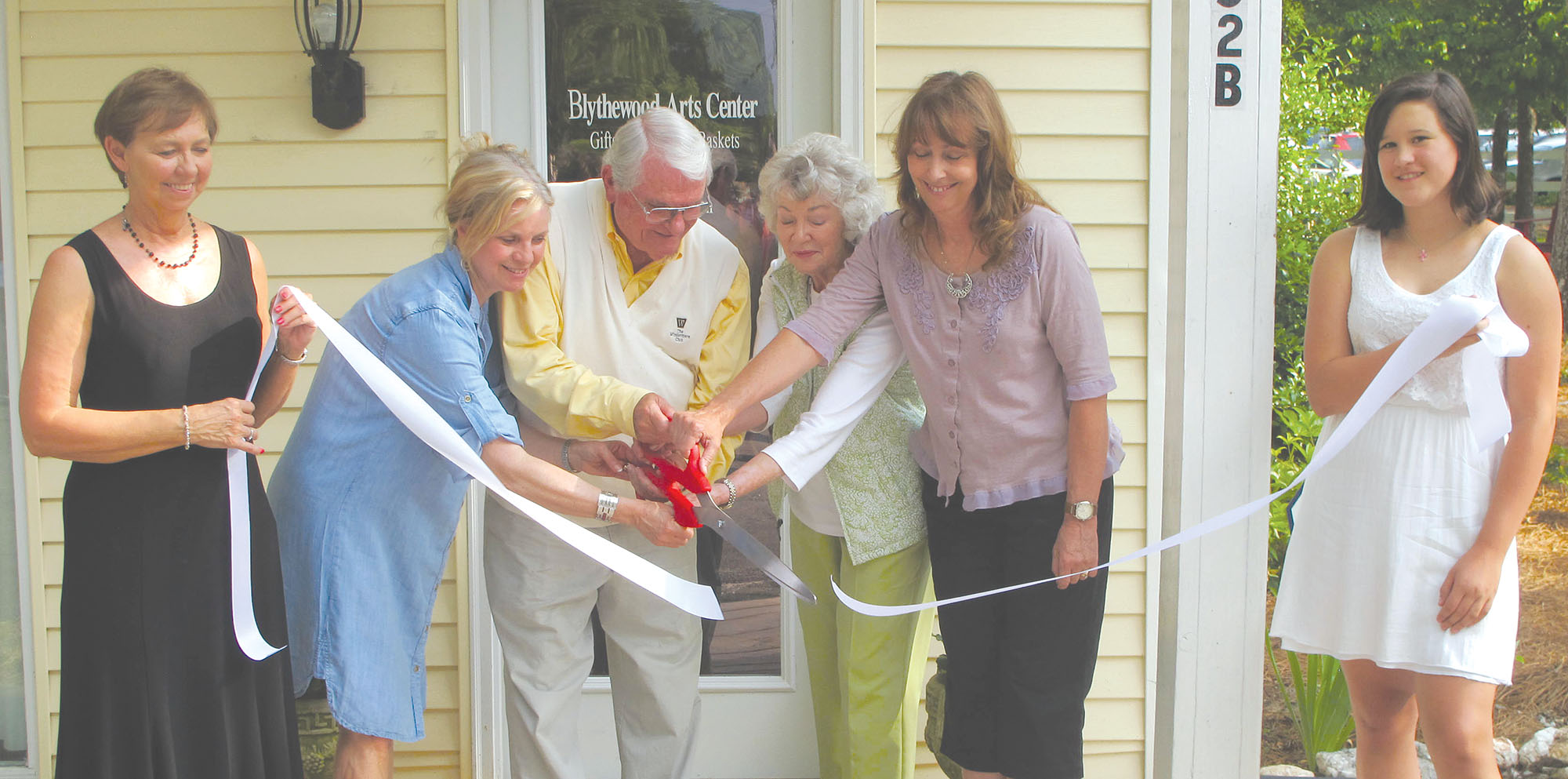
    The Blythewood Artists’ Guild officially celebrated its opening with a ribbon cutting on Friday evening. Holding the ribbon are the shop’s manager, Jean Bell, left, and her niece, Claudia Watson.

  • Riding the Rails with FOMZI

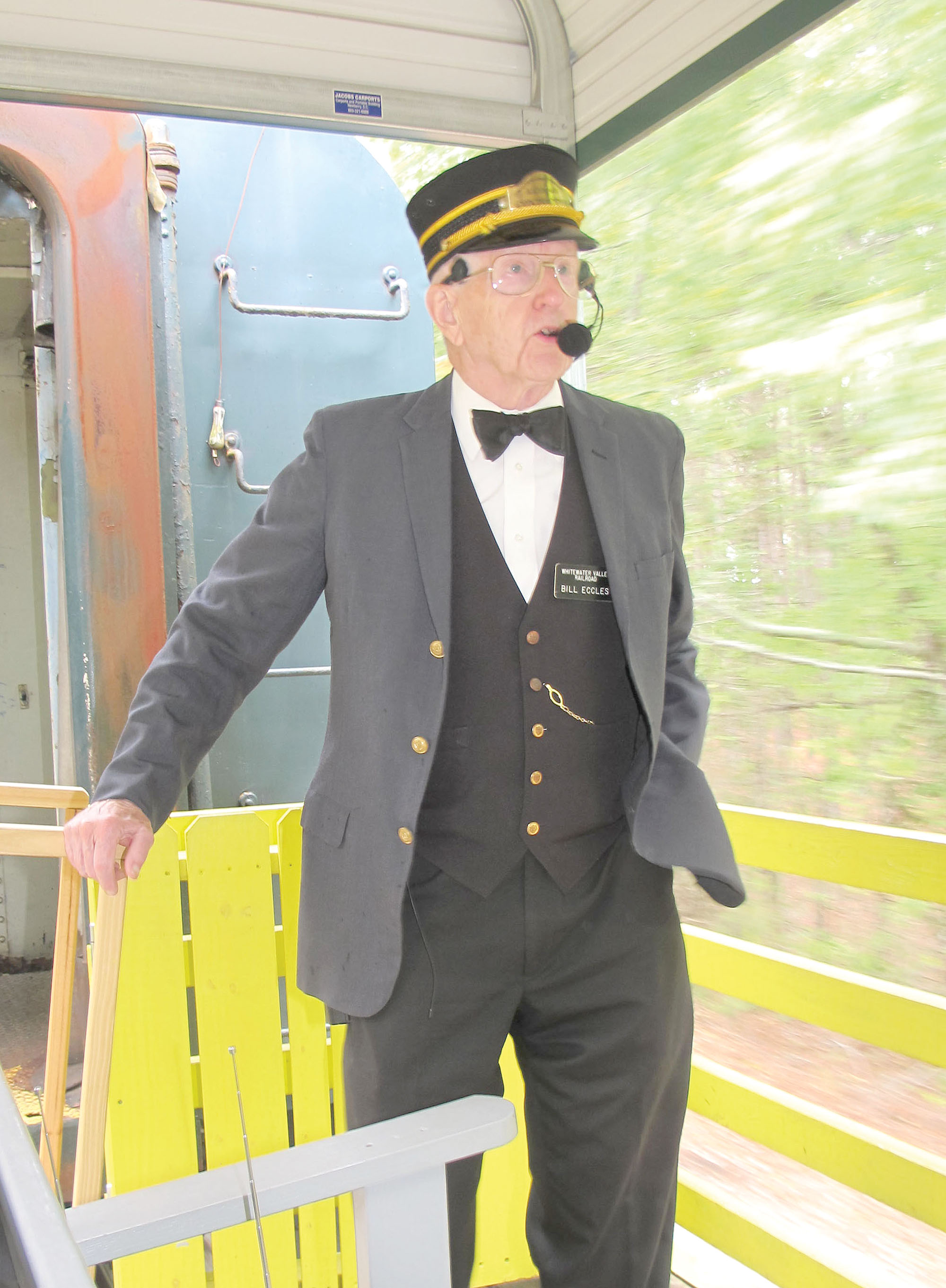
    Bill Eccles narrated the tour to Rion and back, imparting the history of the former granite mining town which now consists of a zero population and a post office.
    When the train pulled out of the yard at the Railroad Museum, these folks opted for the open-air car and the full scenic view of the rail route to Rion.

    WINNSBORO — When the Friends of Mt. Zion Institute (FOMZI) took on the task of restoring their beloved former school in the heart of Winnsboro to its glory days, they were the first to admit their task was daunting on many levels. The building was in major disrepair after years of neglect, and the cost to restore it was somewhere in the prohibitive range. After convincing the Town Council of Winnsboro (the building’s owner) to give them the last chance to save the building, the next step was to raise funds to carry out their monumental plan.

    Besides applying for grants and seeking donations, the group has planned a series of benefits, the first of which took place on Sunday – a two-hour rail tour from the Fairfield County Railroad Museum on Highway 34 to Rion via the Fairfield countryside with a stop for refreshments at the beautifully restored Ruff home and grounds.

    With the “all-aboard!” at 4 p.m., the train pulled out. The more adventurous passangers opted for seating in the open-air car. Others traveled inside. Narrator Bill Eccles announced points of interest along the way, including a charming hunting lodge, the world’s smallest depot (according to Eccles), disarmingly beautiful scenery and a former granite quarry that once gave Rion life and 300 residents. Today, Rion has zero population and a post office. The quarry is an eerie graveyard of train relics, including a rusting engine and a string of cars now grown over with vines.

    On the return trip, the train stopped at the historic Ruff home, now owned by Chandler and Toddy McNair who hosted a sandwich, desert and wine reception in a magnificent old barn. After a tour of the property’s gardens, general store replica and other outbuildings, passengers bid farewell to the McNairs and reboarded the train.

    Future benefits planned for the restoration project include a barbecue event, an oyster roast and home garden tour. For information about how to become a member of FOMZI or the next benefit, call 803-960-8160 or 803-315-7653 or go to www.mtzioninstitute.com

  • Peach Country

    Millions of Peaches –
    And a whole lot more in and around Edgefield, S.C.

    About 50 miles southwest you’ll find a place and season Van Gogh would have loved. Come spring, South Carolina Peach Country, a land where Highway 23 threads through acres and acres of peach trees, would have delighted the legendary artist. Winding along, that little highway will take you through Ridge Spring, Ward, Johnston, and on toward Edgefield where you’ll find great expanses of pink peach orchards blooming and things other than peaches.

    Van Gogh found a sense of renewal in a peach tree’s delicate blossoms and so will you. A carpet of pink cloaks the sandy hills, a sight that has seduced many a photographer. Keep an eye on the farm reports and you can catch the orchards in full bloom and later make a return trip to get split-oak baskets filled with sweet Carolina sunshine: a treat hard to resist.

    In 1984, the peach became South Carolina’s official fruit, and with good reason. A tree-ripened peach may well be the greatest-tasting fruit of all. Loving care attends this state fruit. Tender and easily bruised, hands pluck peaches, not machines. When peaches turn a creamy yellow color they’re ready to be plucked. Soon you’ll see “Peaches For Sale” signs along roads where trucks heavy with peaches back up along the shoulder. (The split oak baskets will come in handy.)

    In addition to gorgeous orchards, your journey will take you past interesting places. Driving through Ward you’ll spot an exceptional cemetery beside Spann Methodist Church. The church had its start around 1805 as part of the plantation of John Spann Jr. The cemetery came to be in 1840. The founder of Ward, Clinton Ward, his wife Martha, and their only child, Josephine, sleep here. Josephine stands atop her monument. She died at age 6.

    The statue of Clinton, with his period-vogue lamb chops and beard, stands atop a tall monument but Martha merely has a large sphere atop hers. Unusual too is the cast iron statue of a deer at the cemetery gate. The statue of a dog by a tree stands near the railroad track. Ward’s marker, his wife’s, the deer and the dog made the Smithsonian’s Inventory of American Sculpture. The church and its cemetery made the National Register of Historic Places. Not your ordinary graveyard. Nor is this your ordinary day trip. Travel on to Edgefield, the home of 10 governors, and you’ll spot colorful fiberglass turkeys at street corners and on porches. Edgefield is home to the National Wild Turkey Federation. As the 10 governors go, they are Andrew Pickens, George McDuffie, Pierce Mason Butler, James H. Hammond, Francis W. Pickens, Milledge Luke Bonham, John C. Sheppard, Benjamin R. Tillman, John Gary Evans and J. Strom Thurmond.

    Edgefield has a strong history of potters too. Plantations here led to a demand for large-scale food storage and preservation. In the 1800s, slaves made alkaline glazed, traditional pottery much as they had in Africa. Particularly notable were the “grotesques” or “voodoo jugs” upon which slave potters applied facial features.

    Peaches, politicians, pottery, and a pleasant trip. That’s what a day trip over to Peach Country delivers.

    If You Go …

    • Take a camera, and a healthy appetite for peaches.

    Learn more about Tom Poland, a Southern writer, and his work at www.tompoland.net. Email day-trip ideas to him at tompol@earthlink.net.

  • Major Earns National Honors

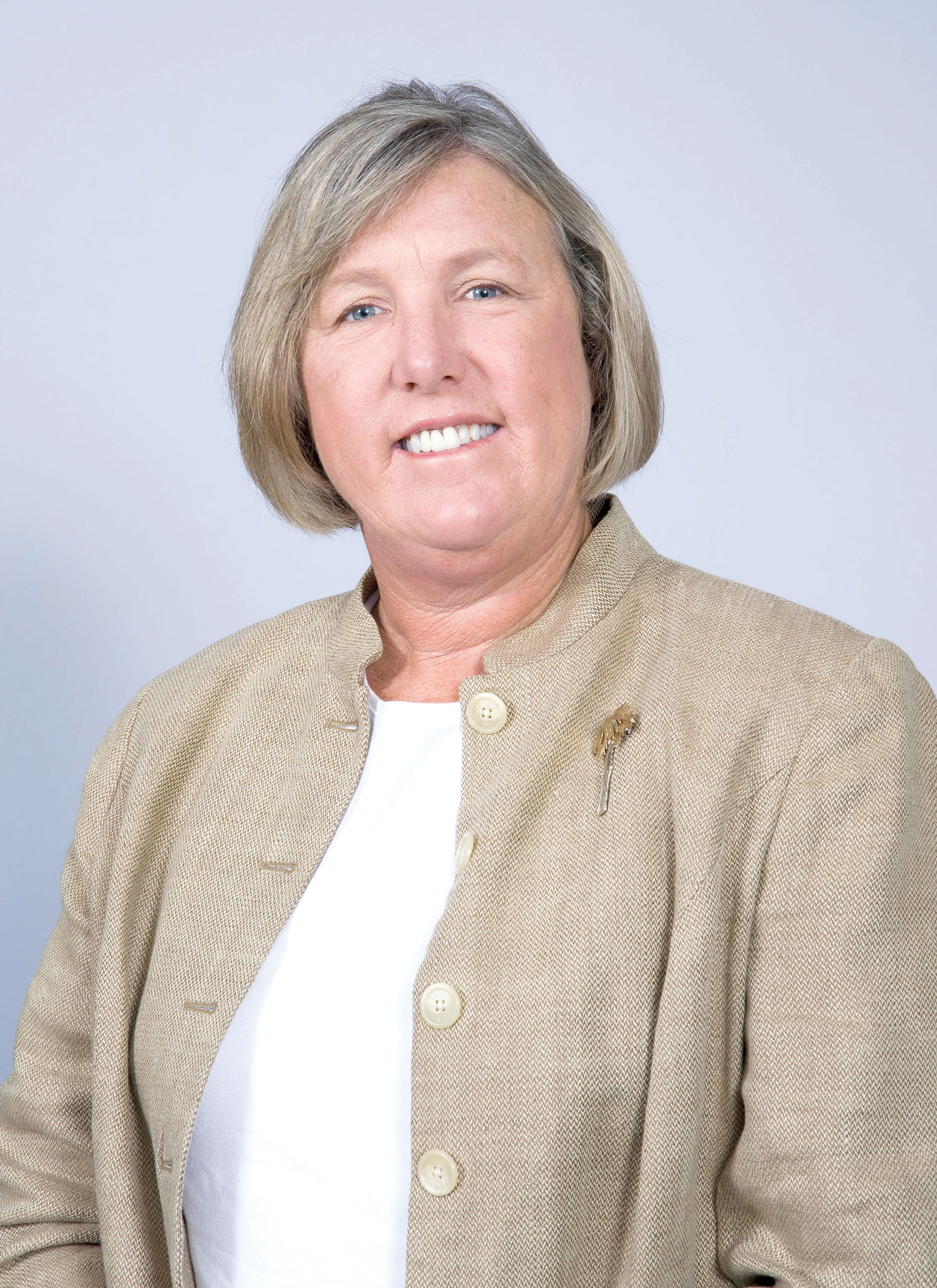
    Boo Major

    BLYTHEWOOD – University of South Carolina head equestrian team coach Boo Major has been named 2014 National Coach of the Year, it was announced Tuesday by the National Collegiate Equestrian Association.

    “This is a big honor for Boo and we felt she was very deserving of this award,” said Meghan Cunningham Corvin, president of the NCEA and head coach at UT-Martin.

    Major, who just completed her 17th season at the University of South Carolina, was voted national coach of the year by her peers. She guided the Gamecocks to a 15-3 record this season and their second straight Southeastern Conference championship, becoming South Carolina’s first team to win back-to-back SEC titles. She was also voted SEC Coach of the Year for the second year in a row. South Carolina finished as the national runner-up this season, losing to Georgia in a tiebreaker in the national championship.

    “I’m honored to receive this award from such an outstanding group of coaches,” Major said. “I certainly share this with my assistant coaches Ruth Sorrel and Carol Gwin, along with our entire team. We had a special group this year that was committed to winning another championship, and it was a great feeling to win the SEC Championship at home in front of our wonderful fans.”

    The NCEA head coaches voted on the coach of the year award last week at its annual summer meetings in Orlando, Fla.

  • Former Mayor Dead at 80

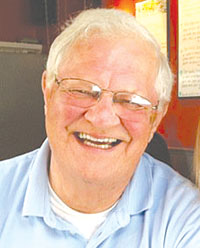
    Pete Amoth

    BLYTHEWOOD – Former Blythewood mayor Pete Amoth, 80, died Monday following a short illness. Elected mayor in January 2004, Amoth served only one term. While he won a landslide victory with a 67 percent turnout after a politically tumultuous campaign, his tenure as mayor was largely unexceptional. He is not remembered so much for his accomplishments as mayor, as for his run for office and for his role in changing the balance of power in a government bent on industrializing more than half the town against many of the residents’ wishes. His campaign was remarkable in that it fully engaged the town’s residents in the political process.

    As a member of the Town’s Planning Commission in 2003, Amoth began speaking out against proposed industrial zoning that he feared would turn out to accommodate nothing more than common manufacturing. He also campaigned successfully against the previous government’s plans to sell the Blythewood Community Center property as a way to raise funds to build a large park and meeting place next to the Town Hall. He not only spoke out in public meetings, but regularly published editorials and letters in the town’s newspaper. Amoth’s political momentum was boosted further when the Town Council attempted to reprimand him for his writings and public speeches, and called for him to meet with them in a closed executive session. Amoth rallied public support and refused to meet privately with Council.

    Amoth was also in the forefront when 60 residents filed three initiative petitions with circuit court, one of which called for Town Council to discontinue their practice of appointing non-residents to the Town’s Planning Commission and appoint only electors (voting residents of the Town.) In response to the three petitions, Town Council filed three civil actions against the 60 residents asking the court to make the residents pay court costs and more if Council prevailed in the case. Again, Amoth and his supporters rallied the public and the Council backed down from the lawsuit. Four months later, a circuit court judge ruled against the 60 on two of the petitions, but ruled that the Council had to either pass an ordinance in compliance with the petition to appoint only electors or hold a referendum and let the people decide the issue. Four days after the ruling, Amoth was elected mayor and his administration passed the ordinance allowing only residents on town boards.

    While Amoth’s administration was fraught with questionable hirings and firings at Town Hall, he broke new ground in several areas, including hiring a high end legal firm in Columbia to represent the town, a practice that continues today. After leaving office, Amoth continued to be active in community issues and ran, unsuccessfully, for mayor again in 2012. Although he was criticized by many of his supporters for doing little to move the town forward during his administration and for failing to carry out his campaign promise to build a new community center on the 5-acre Blythewood Community Association property, he left the town unleveraged with no debt, no millage and millions in its coffers. See obituary on page 8.

  • Proposal to Open Quarry Sets Community on Edge

    The location of the proposed Winnsboro Crushed Stone Quarry.

    WINNSBORO – A proposal to mine granite from a portion of a more than 900-acre tract near the Rockton Thruway and process the stone into gravel has local residents up in arms. While the permit, submitted by Winnsboro Crushed Stone, LLC, is still pending before the S.C. Department of Health and Environmental Control (DHEC), residents of the surrounding area came before County Council Monday night to express their opposition to the quarry and ask Council to do the one thing it can do to kill the project.

    “The proposed quarry is in an area zoned as residential,” Dorothy L. Brandenburg, a Rockton Thruway resident said, “and the residents who live in the surrounding areas wish for that property to not be rezoned.”

    Winnsboro Crushed Stone, whose home office is listed as Monroe, N.C., according to documents available on DHEC’s website, submitted their application on March 13, but inspection of the land began more than a year ago. Archeologists with Brockington and Associates, Inc. of Charleston visited the site between April 15 and April 19 of 2013 at the request of Kennedy Consulting Services, LLC of Lexington, a group working for the Boggs Group, Inc., also of Monroe, N.C. According to their report, also available on DHEC’s website (www.dhec.sc.gov/environment/lwm/publicNotice.htm), the purpose of their visit was to help the Boggs Group obtain necessary permits to open and operate a granite quarry within a 569-acre tract.

    While the survey team stated that 10 archeological sites and six isolated finds were located on the property, the sites and finds were “small, low density prehistoric lithic or historic artifact scatters,” and were ineligible for the National Register of Historic Places.

    Between March 22 and April 16, 2013, Palmetto Environmental Consulting, Inc., of Lexington, visited the site to conduct an assessment of federally listed threatened and endangered species, as well as state listed rare, threatened and endangered species. Their report concluded that a “potential habitat for 10 of the 17” state and federal protected species known to occur in Fairfield County “appears to be located on the site,” none of the listed species “were readily observed” during their field investigations.

    But endangered species, as well as the method by which granite would be extracted from the site, were among the concerns expressed by Brandenburg’s mother, Lisa, during the first public comment portion of Monday’s meeting.

    “We have endangered species on our properties,” Lisa Brandenburg said. “The use of dynamite, the railroad spur that will be put in, the extra traffic on 34 is going to make it hazardous and a death trap for anybody trying to drive in and out on 34.”

    The mining application of Winnsboro Crushed Stone indeed notes the use of “blasting” as part of the mining process, but states that “all structures near the Winnsboro Quarry site that are not owned by Winnsboro Crushed Stone are located beyond ½ mile from the nearest point of blasting.”

    Interim County Administrator Milton Pope said that the County was not notified of the mining proposal until May 7, and since then, “there have been absolutely no other communications with the County about this mining application.”

    Chairman David Ferguson (District 5) instructed Pope to send a letter to DHEC requesting a public hearing on the mining proposal. The application expires on June 2.

    The property in question is located approximately 4 miles southeast of Winnsboro, 2.2 miles from the intersection of Highway 321 and Highway 34 and is accessible by the Rockton Thruway. The property owners are listed in the application documents as: Coleman Land & Timber, LLC (Hartsville, S.C. – 485.5 acres); Amos Davis Coleman, et. al. (Winnsboro – 349 acres); Jenkins & McLeod, LLC (Winnsboro – 35 acres); Quay W. McMaster (Winnsboro – one 43-acre tract and one 7-acre tract); and S.C. Electric & Gas (Columbia – 3.7 acres).

    The application states that 184.6 acres will be affected by mining and bonded; 185.6 acres will be affected by mining with bonding deferred; 147.4 acres for future reserves or future impact; and 405.6 acres for undisturbed buffer.

  • ‘Epics’ Still Making Waves, Enter Beach Music HOF

    The Sensational Epics during their heyday, in the early 1960s.

    BLYTHEWOOD – Jim Chappell of Blythewood, and one of the original members of the Sensational Epics beach band, was recently named, along with his fellow band members, to the Beach Music Hall of Fame in Myrtle Beach. One of the hottest beach bands in the ‘60s , The Epics frequently shared the stage with such top recording artists as Gladys Knight and the Pips, the Tams, the Drifters, the Platters and the Impressions. During their heyday, the Epics recorded national hits “I’ve Been Hurt” and “Be Young, Be Foolish Be Happy.”

    The band got its first big break while still in high school, Chappell recalled.

    “Columbia had won the All-American City Award and was organizing an extravaganza at the Township Auditorium. We were invited and got great reviews. And the rest is history,” he said, shaking his head, still amazed.

    After their college days, the band members’ lives took separate paths and they parted ways only to reunite in 2000 for a benefit in Five Points. The band was such a big hit all over again that they began taking bookings, Chappell said. Today, the Epics continue to have a solid schedule of venues.

    “But tearing down a band stage at 1:30 in the morning doesn’t appeal to me anymore,” Chappell said with a laugh. But he said he supports the band and occasionally joins them for benefit performances. Chappell, who owns his own real estate business in Blythewood, still lives on family land in the Cedar Creek area.

    The Epics will be inducted into the Beach Music Hall of Fame along with The Coasters and several other popular beach bands of the ‘60s on Nov. 28 at the Alabama Theater in Myrtle Beach.

  • The Classic City

    Get Off My Lawn –
    Athens, Ga., home of, among other things, the only tree that owns itself.

    Three hours west in Georgia lies the Classic City, better known as Athens, a city heralded as the quintessential college town. Although Athens is known for its University of Georgia Bulldogs football team, the city’s interesting venues attract many. There’s the world’s only double-barreled cannon, a Civil War relic. There’s the Georgia State Botanical Garden with more than 300 acres of forested trails and specialized gardens. Athens has a vibrant music scene, too, and is home to R.E.M., the B-52’s, Widespread Panic and Drive-By Truckers among other notable bands. Be sure to see the legendary 40-Watt Club, one of the most famous indie rock venues in the eastern United States.

    Athens has a great restaurant scene too. Many of its restaurants have been featured in Southern Living. Check out NONA, (New Orleans N Athens,) on East Broad Street for some fine dining, Cajun and Creole style. Don’t miss the Sherry Crab Soup and have a glass of Terrapin Golden Ale from the local Terrapin Brewery.

    A legendary and highly unique site is “The Tree That Owns Itself.” Just off West Broad you can make the bumpy drive up Finley Street, a steep street paved with bricks, to where it intersects with Dearing, and there you’ll see the tree that owns itself.

    Some folks believe this tree is the most unusual property holder in the world. The tree pays no taxes (Imagine that!) and has its own protected lot. It stands on land originally owned by Colonel William H. Jackson, a University of Georgia professor. Legend maintains that Jackson, out of love for the great oak, deeded the tree and the land 8 feet on all sides to itself in the early 1800s.

    Athens makes for a great walk-about town. The downtown area is rich with shops, bars, art galleries, restaurants and coffee houses. Across Broad Street near the Confederate monument you’ll see the University Arch. Tradition holds that students may not pass beneath the Arch until they have earned a diploma from the University of Georgia. For most graduates, visiting the Arch after commencement is a rite of passage. Don’t be surprised to see photographs being taken at the Arch year-round.

    Walk past the Arch, whose three pillars stand for wisdom, justice and moderation, to the beautiful North Campus, a tree-rich classic campus scene. Walk far enough and you’ll come to Sanford Stadium, a beautiful stadium in the heart of the campus. The fifth largest on-campus stadium in the country, it holds 92,746. When you’re done walking, be sure to drive down Milledge Avenue to see its many beautiful homes and their classic architecture.

    You’ll find the Classic City blends the old and new into an eclectic mix that makes for a great day trip, so great you will want to stay overnight. The city will accommodate you with an interesting range of hotels, all within walking distance of downtown.

    If You Go …

    • You can take three routes. The Highway 34 route is direct and approximately 157 miles. Another route, taking I-20, runs 187 miles. A route using I-85 in part runs 191 miles. All take about three hours and 10 minutes.

    • www.visitathensga.com/?gclid=COrl0aaOz70CFaVxOgod7mcAlg “Take A Hip Trip To Athens.

    Learn more about Tom Poland, a Southern writer, and his work at www.tompoland.net. Email day-trip ideas to him at tompol@earthlink.net.