Tag: slider

  • Magnet School Earns High Marks in the Arts

    Art Smarts – Kimi B. Daly (back row, center), Art teacher at Fairfield Magnet School for Math and Science, and her students: Makayla Mann, Gianna Rhodes, Kimi Daly, Reniya Lyles, Tiauna Turner, Sharmelle Holmes, Caniya Brown, Paige English, Tavetria Amponsah, Layla Metts, Senai Greene, Trinity Skye, Tyus Armstrong, Skyla Hart, Alexia Hernandez and Jazzalyn McConnell. The Magnet School recently received the highest scores in the state in both Art and Music. (Photo/Stephanie Boswell)
    Art Smarts –
    Kimi B. Daly (back row, center), Art teacher at Fairfield Magnet School for Math and Science, and her students: Makayla Mann, Gianna Rhodes, Kimi Daly, Reniya Lyles, Tiauna Turner, Sharmelle Holmes, Caniya Brown, Paige English, Tavetria Amponsah, Layla Metts, Senai Greene, Trinity Skye, Tyus Armstrong, Skyla Hart, Alexia Hernandez and Jazzalyn McConnell. The Magnet School recently received the highest scores in the state in both Art and Music. (Photo/Stephanie Boswell)

    WINNSBORO (Nov. 17, 2016) – Fairfield Magnet School for Math and Science has received the highest scores in the state for both Art and Music for last year’s S.C. Arts Assessment Program (SCAAP). SCAAP is a part performance-based and part computer-based standardized test where students are asked to show their knowledge in their creative field, including techniques, genres and mediums.

    “It is a huge honor to have the highest scores in even one of the arts areas, but I don’t know if there has ever been a school to receive the highest scores in both!” Coordinator of Visual and Performing Arts for the Fairfield County School District Julianne Neal told The Voice in an email.

    It took long hours and dedication from Kimi Daly’s fourth-grade art classes and Latasha Watson’s music students, but the effort paid off in top marks and state-wide recognition.

    “I put their little noses to the grindstone and we researched artists and held many in-depth class discussions. We practiced and experimented with different mediums and produced many amazing 2-D and 3-D art pieces,” Daly said.

    “Mrs. Daly continues to inspire her students to shine through a number of different opportunities and has an amazing talent in bringing out the very best in each of them,” Neal said in her email.

    Watson, who recently moved to Virginia, made great strides in building up the music program and pushing her students to work to their greatest potential, Neal added.

    “We are missing her,” Neal said in her email.

    The test itself challenges students, both in music and in art, to focus on many different areas of their creative passion and makes them look at the arts from all angles, Daly told The Voice. She said she not only teaches the basics of art, but also how to apply art to other subjects in school and to future career paths that her students could take. The SCAAP pulls from many different areas of art to make sure students are getting a well-rounded education, Daly said.

    “[The SCAAP] asks you questions just like any other test. In science they might ask you questions about vibrations, and our test might say, ‘What are tertiary colors?’ So this minute thing in the middle of everything else we study is asked,” Daly said.

    Daly’s students don’t seem to mind putting in the extra work. When The Voice visited the hallowed art room, students came through the door in a steady stream to ask for more time to work on their art and to see if they could stay after school to get the hang of new techniques.

    “Many of my gifted art students are perfectionists and so I give them my time after school to complete their projects that require more than our 50-minute classes allow,” Daly said. While she doesn’t receive any supplemental pay for her extra time, she said, “the rewards of the heart are great.”

    Many of her students, Daly said, want to be creating all the time. Unfortunately, crafting masterpiece after masterpiece with no reprieve for lessons wouldn’t allow time to prepare for the SCAAP and finish the designated standards assigned to the art department each year.

    “It was hard on the fourth-graders last year,” Daly said. “They don’t like taking tests, they like to actually do art. I know that I have [the SCAAP] in March, and there are so many things I have to get to. So when they’re like, ‘Mrs. Daly, you told us we could paint!’ I have to say that after the test we can do whatever projects you want to do, but first we have to prepare for the test.”

    To see her students gain new skills and face the challenge of a difficult standardized test, only to get the highest scores in the state, fills Daly with pride and joy.

    “I live the dream every day watching my students come to their potential and surpass with excellence with a higher level of thinking that creative endeavors extend,” Daly said. “This is what sets them apart. They don’t work for grades. They create from their love of the arts.”
     

  • Incumbents Out in County Council Races

    Fanning Wins State Senate, Trapp Retakes District 3

    BLYTHEWOOD/FAIRFIELD – Two long-standing Fairfield County Council members were bumped out Tuesday night, while a former Councilman who was ousted in 2013 reclaimed his seat in local election results. Fairfield County voters also gave their approval to Sunday alcohol sales.

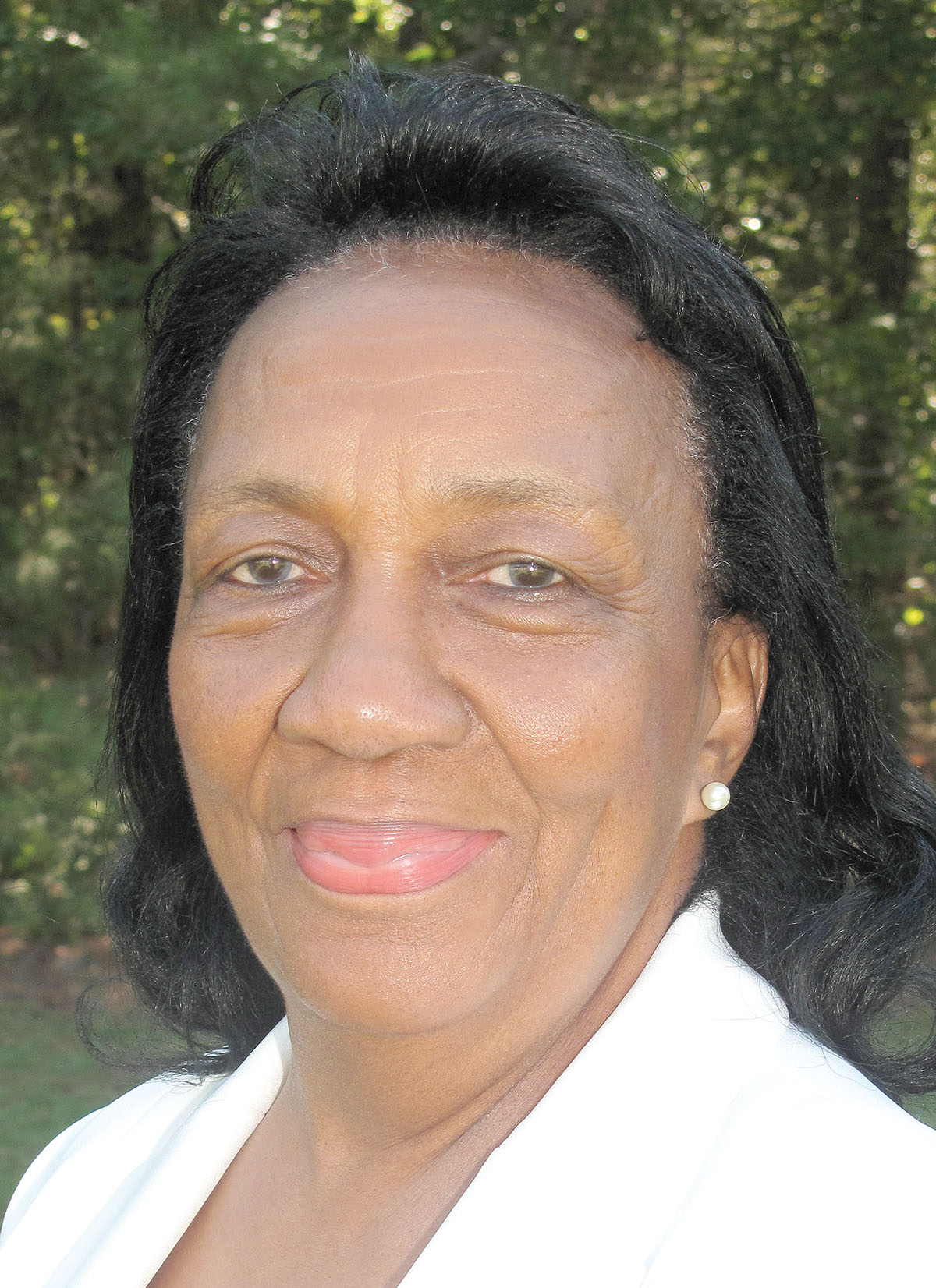
    Bertha Goins
    Bertha Goins


    District 4 Councilman Kamau Marcharia and District 6 Councilwoman Mary Lynn Kinley, both first elected in 1996, were handed defeats Tuesday.

    Bertha Goins bested Marcharia in District 4, 659 votes (43.36 percent) to 493 (32.43 percent). Quincy Pringle Sr. earned 365 votes (24.01 percent) in the race.

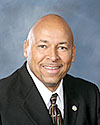
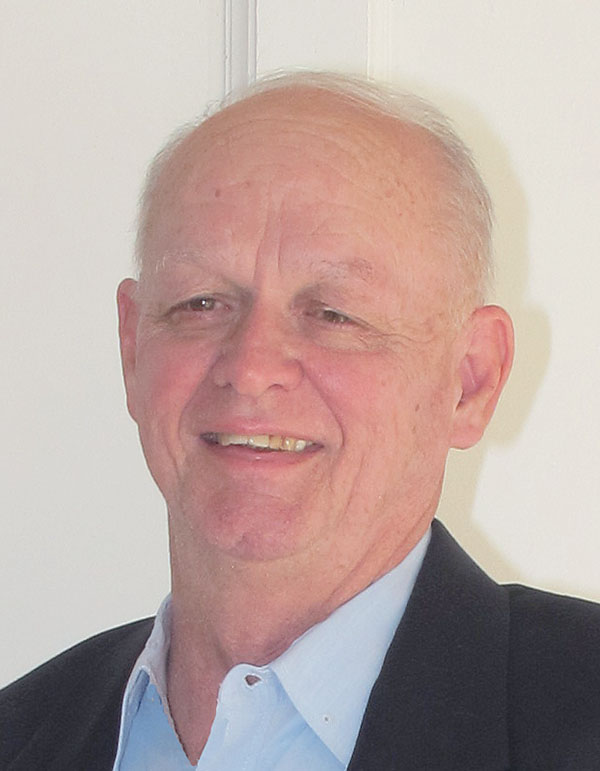
    Jimmy Ray Douglas
    Jimmy Ray Douglas

    In District 6, Cornelius Neil Robinson toppled Kinley 441 votes (39.8 percent) to 234 (21.12 percent). Gwen Harden finished second in the district with 357 votes (32.22 percent).


    Jimmy Ray Douglas cruised to a win in District 2 with 785 votes (49.53 percent). J. Renee Green earned 496 votes (31.29 percent) and Clyde Wade 302 votes (19.05 percent). District 2 Councilwoman Carolyn Robinson did not seek re-election.

    Mikel Trapp
    Mikel Trapp

    A late surge lifted Mikel Trapp to a District 3 victory Tuesday as his 651 votes (47 percent) were enough to beat out Peggy Swearingen’s 535 votes (38.63 percent) and Kirk Chappell’s 197 votes (14.22 percent).


    Trapp lost a 2013 re-vote after the 2012 results were overturned by the Election Commission. Col. Walter Larry Stewart, who defeated Trapp in the 2013 re-vote, resigned last summer for health reasons.

    The only contested race on the Fairfield County School Board went to Paula Hartman, who won reelection to District 2 with a narrow 694 (51.18 percent) to 653 (48.16 percent) win over Janet Mason.

    In the race for the District 17 seat in the S.C. State Senate, Democrat Mike Fanning notched a win over Republican Mark Palmer, 20,270 to 18,190 on a race that spanned Fairfield, Chester and York counties.

    Democrat MaryGail Douglas, meanwhile, was uncontested in her reelection bid for the District 41 seat in the State House of Representatives.

    Joyce Dickerson also won an uncontested reelection to Richland County Council’s District 2 seat.

    Lindsay Agostini (13,179 votes) and Monica Elkins (11,326 votes) were the top two vote-getters for the at-large seats on the Richland 2 School Board.

    Democrat Mia McLeod was the winner over Republican Susan Brill for the State Senate District 22 seat that spans Richland and Kershaw counties.

    In other uncontested Fairfield County races, Will Montgomery was returned to the Sheriff’s Office; Judy Bonds will be the next Clerk of Court; and Chris Hill the new County Coroner.

    Annie McDaniel (District 4) and William Frick (District 6) were also uncontested in their respective School Board races.

    Fairfield County voters overwhelming approved Sunday alcohol sales, 6,472 (64.45 percent) to 3,570 (35.55 percent). That matter will now go before County Council for approval.

  • The Dead Speak During Cemetery Tour

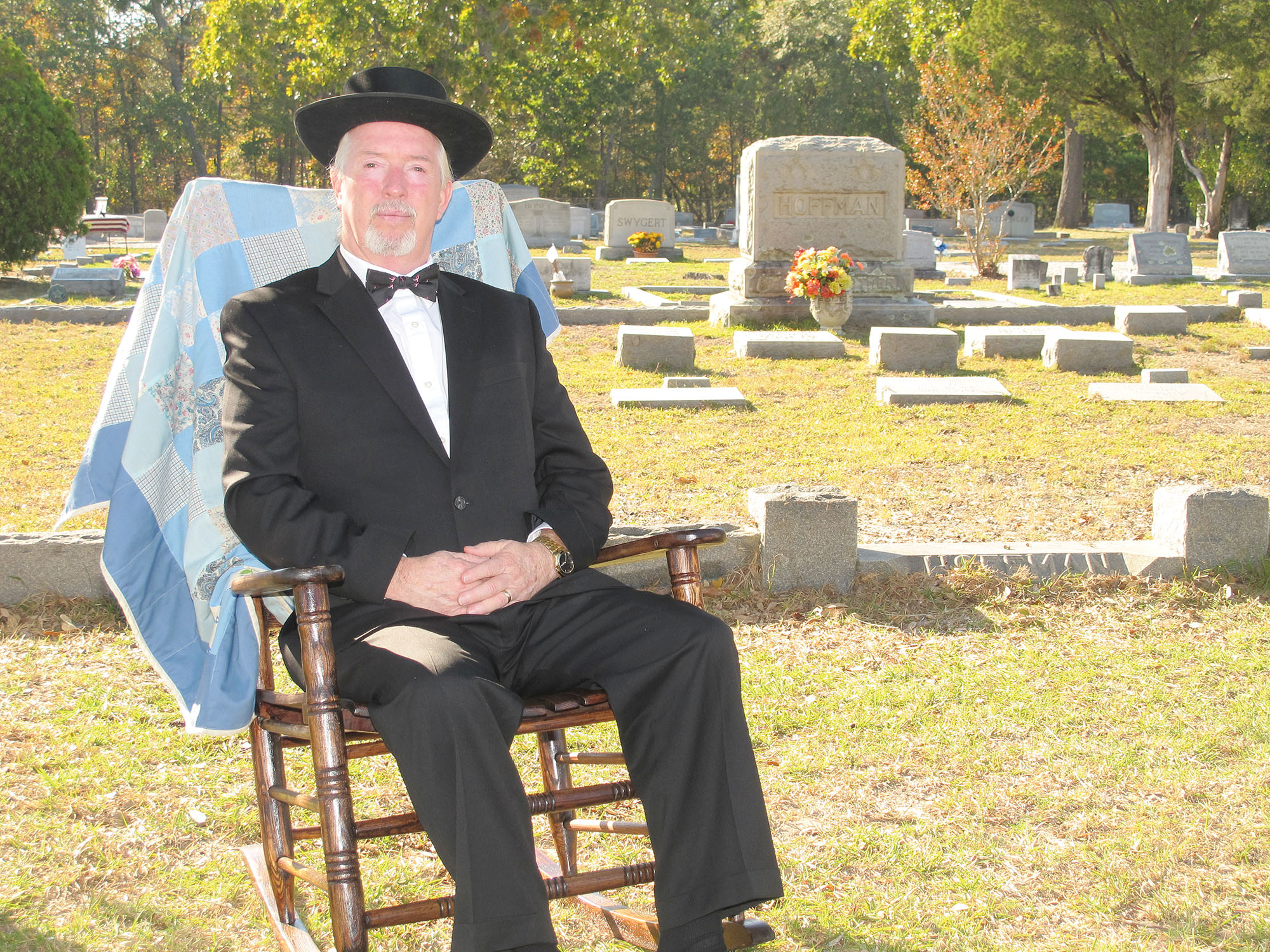
    The gravestone of Blythewood founding father George P. Hoffman can be seen in the background as Town Councilman Eddie Baughman relates the story of the Hoffman House, built by Hoffman, which is now the Town Hall. (Photo/Barbara Ball)
    The gravestone of Blythewood founding father George P. Hoffman can be seen in the background as Town Councilman Eddie Baughman relates the story of the Hoffman House, built by Hoffman, which is now the Town Hall. (Photo/Barbara Ball)
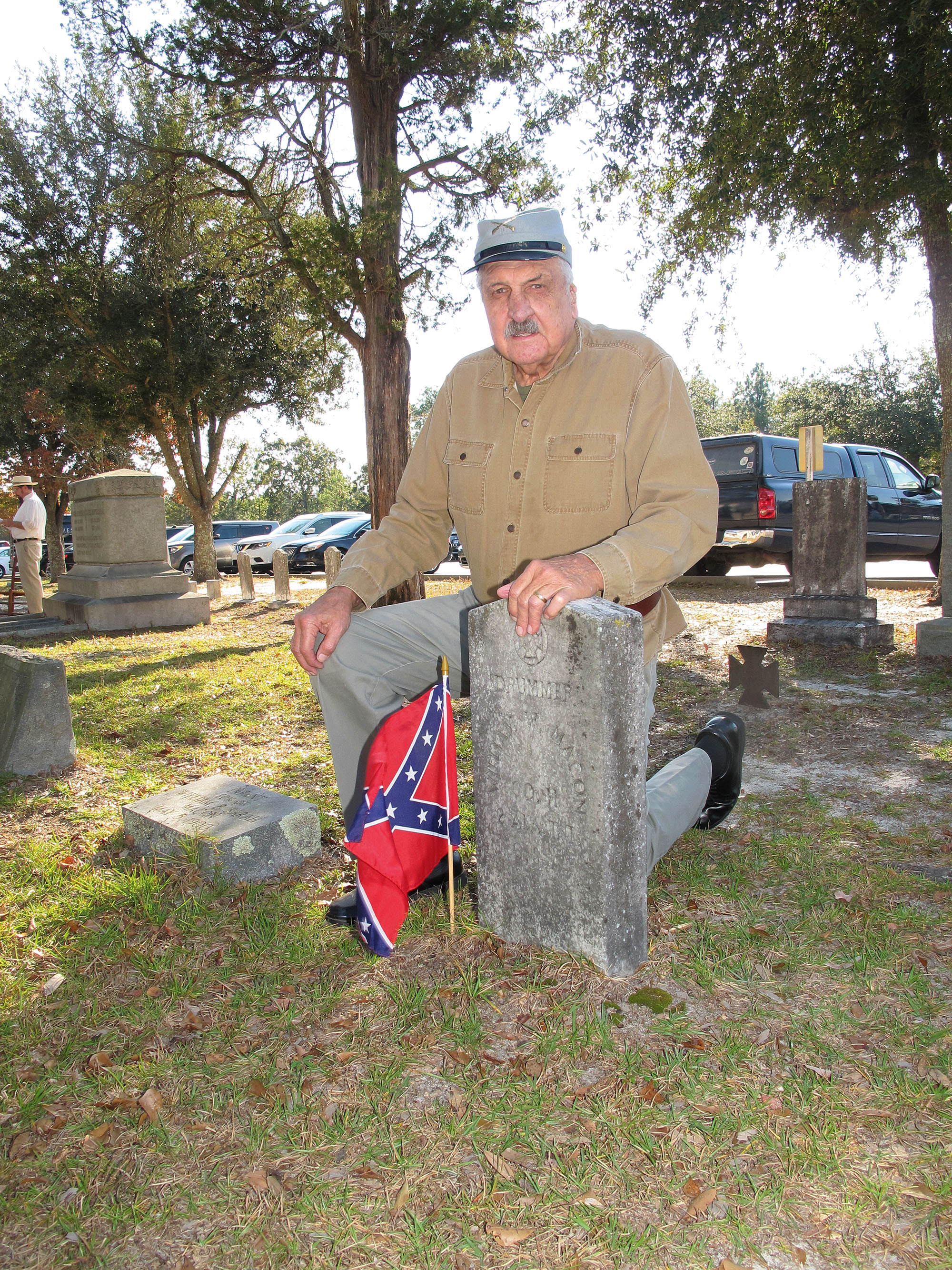
    Dressed as a Confederate Soldier, Fritz Jolly kneels beside the grave of Drummer Boy William Woodward Macon who is interred under a shade tree in the Sandy Level Baptist Church. (Photo/Barbara Ball)
    Dressed as a Confederate Soldier, Fritz Jolly kneels beside the grave of Drummer Boy William Woodward Macon who is interred under a shade tree in the Sandy Level Baptist Church. (Photo/Barbara Ball)

    BLYTHEWOOD (Nov. 3, 2016) – A tour through Blythewood history was conducted Sunday afternoon in the cemetery of Sandy Level Baptist Church. Sponsored by the Blythewood Historical Society and Shives Funeral Home, the tour began inside the circa 1856 church, then moved outside into the cemetery where guides waited at the gravestones of some of Blythewood’s founding fathers and their families as well as more recent residents of the Town.

    Blythewood’s Wade Hampton Dorsey, dressed in period clothing, stood at the gravestone of his ancestor, plantation owner and physician turned educator, Dr. Samuel Wingard Bookhart. As the tour approached the gravestone, Dorsey, a former Blythewood Town Councilman and former president of the Historical Society, spoke in the role of Bookhart, imparting the family’s history.

    “I joined Sandy Level Baptist Church in 1856 when I was 27, and remained a member until the day I died. We were building a new meeting house, this very one that still stands today. Cynthia and I gave $700 to paint it. I served as Clerk for almost 50 years! In those days whites and blacks, slave and free attended church here together . . .”

    After the Bookharts built a school for girls on the grounds where Cobblestone Park now sits, a teacher at the school suggested naming the school The Blythewood Female Institute after the surrounding beautiful woods.

    “By February of 1865, the War for Southern Independence was nearly lost,” Dorsey, as Bookhart, continued. “General Sherman took Columbia on Feb. 17 and burned it to the ground. We could easily see the fires from here. By Feb. 20, the Yankees were at Doko. The house that Uncle Christian left me was burned in minutes, along with all the barns. I had to ride quickly away to avoid arrest. The soldiers set the Institute buildings afire, but Cynthia and the girls, along with the servants, were able to quell the flames. They destroyed almost everything in their path . . .”

    Standing next to a nearby headstone engraved with the title “Drummer Boy,” Fritz Jolly, dressed in a Confederate uniform, spoke as William Woodward Macon, who was 16 when he enlisted in the Confederate Army in Alabama and was assigned to beat drum signals during battle. After the war he came to Blythewood, which was then in Fairfield County and, in 1874, married Sarah Vann, the daughter of the Rev. Robert Vann. The couple had six children, and today that Drummer Boy rests beneath a large shade tree outside the church.

    In another section of the cemetery, Town Councilman Eddie Baughman recalled George Peter Hoffman who built the Hoffman House in 1855 as a gift for his new bride, Jane Ruff Hoffman. Hoffman, who was a merchant, farmer, lumberman, section master for the railroad and railroad contractor and ran a sawmill, was the Blythewood Postmaster from 1856 to 1866 and off and on again through 1877. The Hoffman House was placed on the National Register in 1986 and became Blythewood’s Town Hall in 2002.

    From 3 to 6 p.m., visitors toured 14 grave sites, learning from storytellers about the men and women who left their marks on Doko, now known as Blythewood.


  • Mixed Result on Local Test Scores

    school-table-copy

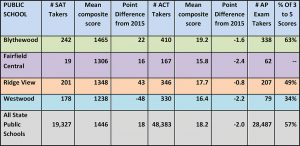
    BLYTHEWOOD/WINNSBORO – Data released last month by the State Department of Education show mixed results in national standardized test scores for local schools in 2016.

    Of the four local schools, Blythewood High School out-performed statewide results in the SAT, ACT and Advanced Placement (AP) exam.

    SAT SCORES

    Three of the four local schools – Blythewood High School (BHS), Fairfield Central High School (FCHS) and Ridge View High School (RVHS) – showed significant gains in SAT scores.

    RVHS had the most significant improvement in SAT scores – 43 points – and BHS had a 22-point improvement in scores over 2015. FCHS continued its upward trend in SAT scores with a 16-point increase this year on top of a 63-point increase last year.

    However, Westwood High School’s SAT scores dropped 48 points in 2016 after increasing 33 points in 2015.

    Asked what could have influenced the fluctuation in Westwood’s 2016 SAT scores, Dr. John Arnold, Director of Accountability and Assessment for Richland Two School District, replied in an email to the Voice that fluctuations in test scores, whether SAT, ACT, or other national assessment, are not unusual, and can be more pronounced at a single school because of the relatively small number of students tested and where each student’s performance has a greater impact on the school’s performance.

    The State Department of Education shows a statewide decrease of 16 percent in the number of public school students taking the SAT in 2016. The number of FCHS students taking the SAT dropped from 36 in 2015 to 19 resulting in only about 10 percent of the senior class taking the SAT in 2016. RVHS had 21 percent fewer students taking the SAT in 2016, while the numbers for BHS and WHS declined only slightly.

    Deputy Superintendent for Academics at Fairfield County School District, Dr. Claudia Edwards, attributed the low numbers of students at FCHS taking the SAT to the fact that the State requires students in their third year of high school to take the ACT and pays for the cost of the ACT. Therefore many students elect to use their ACT score for college admission. Students can take the SAT if they are also applying to colleges that don’t accept ACT scores.

    SAT is a standardized test often used in the college admissions process. The current SAT consists of three 800 point sections testing English/language arts, mathematics and writing, with the highest possible score being 2400.

    ACT SCORES

    The ACT is also used in the college admissions process and consists of subject area tests in English, mathematics, reading and science. The ACT includes 215 multiple-choice questions with 36 as the highest possible score. There was a large increase locally and statewide in the number of students taking the ACT in 2016. Beginning last year, all students in South Carolina are now required to take the ACT in eleventh grade. But ACT scores for all four local schools as well as statewide are down in 2016.

    RVHS scores showed the least decline with 0.8 points; BHS dropped 1.6 points; WHS dropped 2.2 points and FCHS, 2.4 points.

    AP SCORES

    College bound students can also take Advanced Placement (AP) courses in grades 11 or 12. These classes prepare students for the national AP examinations. Students who score 3, 4, or 5 on an AP exam are generally considered qualified to receive credit for the equivalent course(s) at colleges and universities that give credit for AP exams.

    BHS had the highest number of students (63 percent) scoring 3 to 5 on the AP exam; RVHS was next with 49 percent, and WHS had 34 percent.

  • JJ Ranchers’ Daughter Returns to Blythewood

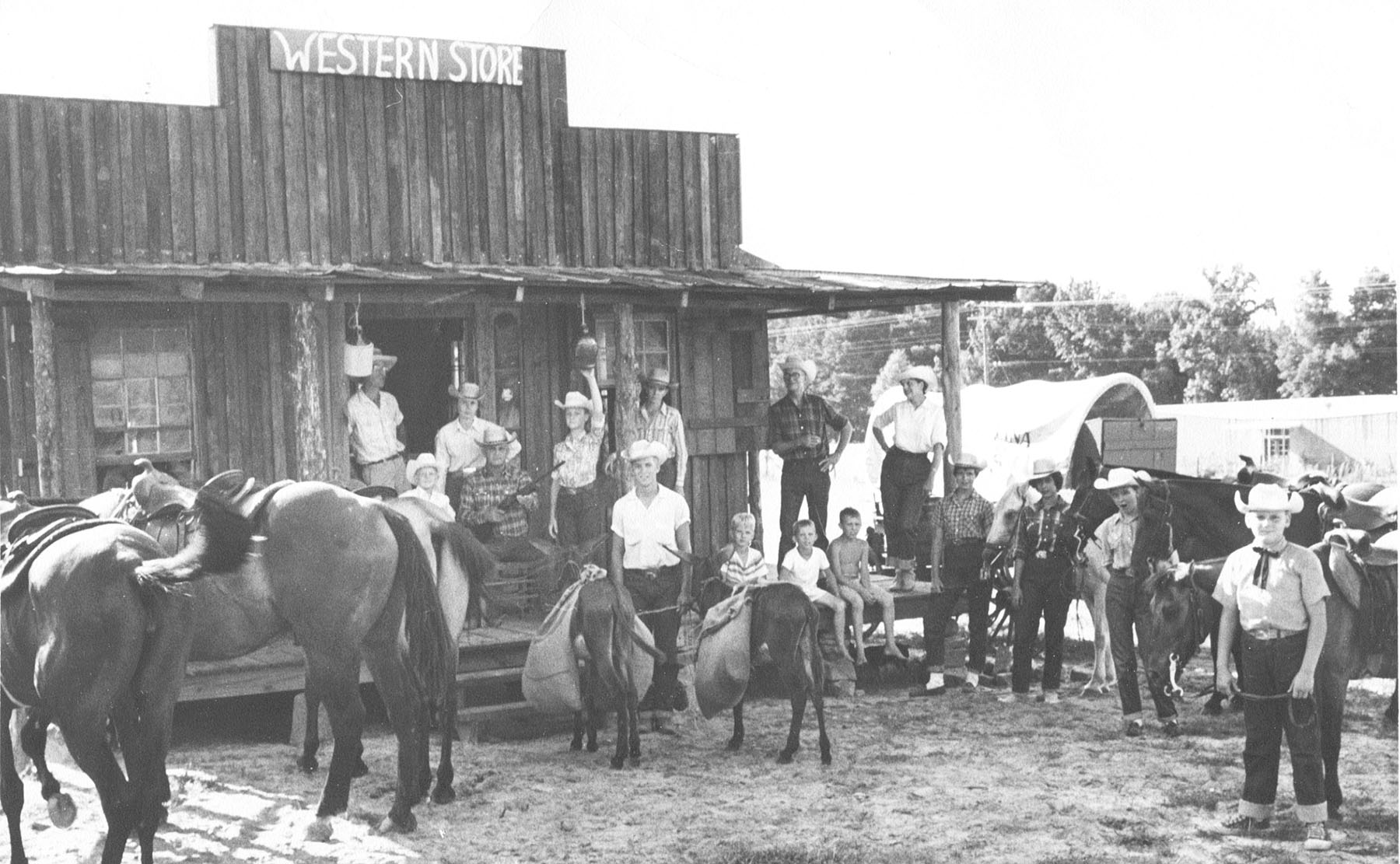
    If you can remember when Blythewood looked like this, stop by and visit with Josie Jennings Atkinson Saturday at the Langford-Nord House.
    If you can remember when Blythewood looked like this, stop by and visit with Josie Jennings Atkinson Saturday at the Langford-Nord House.

    BLYTHEWOOD (Oct. 13, 2016) – Josie Jennings Atkinson, the daughter of the late Jimmy and Sybil Jennings, owners of the JJ Ranch in Blythewood in the 1960s, will be in town Oct. 15 for a drop-in in her honor, hosted by the Historical Society. It will be a time for Atkinson to visit and catch up with old friends, many of whom were once JJ Ranch trail riders. Fifty years ago, that was most of the town’s residents.

    It was in 1958 that the Jenningses and their two children, Josie and Michael, rode into town with a trailer full of horses and, over the next six years, turned Blythewood into a Western movie. During those years, under Jimmy Jennings’ influence, almost everyone in town came to emulate the Western lifestyle – riding horses, wearing Western clothes, going on week-long trail rides, traveling to camp sites in covered wagons, sleeping on bedrolls under the stars and eating grub prepared on a chuck wagon.

    But unlike most Western movies, this one had a heartbreaking ending. In 1964, the Jenningses, who the community had come to love, even idolize, died in a plane crash as they were returning home from a trip to Arkansas to buy horses. The town fell into collective mourning over the loss of the Jenningses and of a much loved cowboy way of life.

    Not long after the Jenningses’ deaths, the ranch and horses had to be sold to pay bills, and the Jenningses’ children left Blythewood to live with relatives and friends who subsequently raised them. Many in the town say the Jenningses’ deaths left them with a feeling of emptiness that remains today.

    “It was all so much fun,” said Bobbie Stevens, one of the trail riders. “And then it was over.”

    Atkinson is now grown and married and her husband Mickey is the Sheriff’s Chief Deputy in McCaskill, Ark. They raised their children much like Atkinson was raised – on a farm, riding horses. Their grandchildren are now rodeo queens and barrel racers.

    Atkinson said she still treasures her formative years in Blythewood where, she said, “sometimes there were four or five hundred of us going on week-long trail rides to Elgin and other places. It was a world I will always remember. When I look through my scrapbook of Blythewood and the ranch, it seems like yesterday.”

    Atkinson said she has stayed in touch with many of her Blythewood friends, including Joe and Martha Trapp and Muff Hagood, on Facebook over the years.

    “I’m looking forward to seeing everyone again,” Atkinson said.

    The drop-in will be held from 2 – 4 p.m. at the Langford-Nord House, 100 McNulty St. in downtown Blythewood, and anyone who knew the Jennings family and would like to visit with Atkinson is invited to attend.


  • Committee Cautions on $100K Grant

    Retention Ponds Add $23,500 to Fire Station Costs

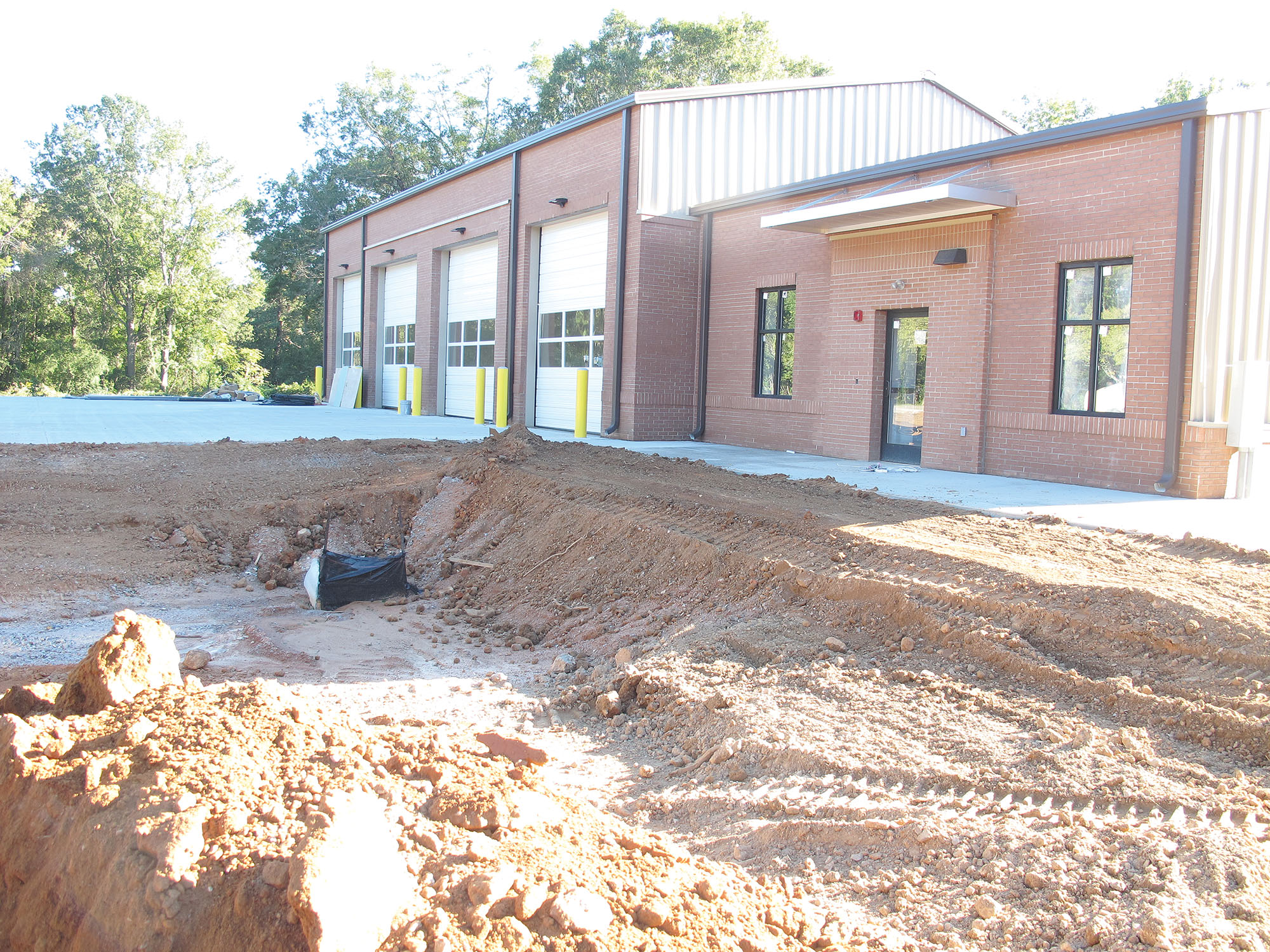
    The new Ridgeway fire station and the retention pond that slipped by County Council during the planning stages. The pond, and its counterpart at the Jenkinsville station, will be filled in and grassed over as a catch basin. (Photo/Barbara Ball)
    The new Ridgeway fire station and the retention pond that slipped by County Council during the planning stages. The pond, and its counterpart at the Jenkinsville station, will be filled in and grassed over as a catch basin. (Photo/Barbara Ball)

    WINNSBORO – During an Administrative and Finance Committee meeting Monday afternoon, the committee, led by Councilman Marion Robinson (District 5), balked at recommending Council apply for a $100,000 grant for the assessment of unnamed brownfield sites in the County – properties that are contaminated, vacant and not currently productive.

    “Through assessment, we can see if there’s a way we can make them productive. If we do find a way, then we can go back and apply for another $50,000 grant to remediate the site and get it back to a productive state,” County Administrator Jason Taylor told the Committee.

    While the grant comes with no match requirement and, according to Taylor, would not affect the County financially, Robinson said he wasn’t in favor of applying for the grant because of the potential for additional cost to the County.

    “First (the grant) states you have to have a specific project and we don’t have one,” Robinson said. “It’s open ended, and I find it hard to believe the federal government will give us $150,000 to go assess something, and we say, ‘OK, that’s good . . .’ and then we don’t have the money to go do something with the (assessed property).

    “What brought this about?” Robinson asked.

    “Steven Gaither, our Grants Manager, found this and thought it might be a good thing,” Taylor said.

    “We have a couple of sites – a plastics site and the Mack Truck site that are brownfield sites that we could use the grant money for,” Deputy County Administrator Davis Anderson added.

    “Yes, but we would have to have a special project? And I don’t see one mentioned here,” Robinson said. “I would like to know a little more about this before I vote on it.”

    Committee members Robinson, Chairwoman Carolyn Robinson (District 2) and Mary Lynn Kinley (District 6) voted to send it back for further study.

    The Committee did move forward with another item concerning the repair of inappropriately placed retention ponds proposed at the fire stations being constructed in Jenkinsville and Ridgeway as well as the recreation center in Jenkinsville.

    Taylor explained that the engineering designs for each of the three new construction locations had situated the retention ponds directly in front of the buildings.

    “These are unsightly, unsafe and difficult to maintain,” Taylor told the Committee.

    During a discussion at last month’s Committee meeting, Taylor said the ponds were not in the drawings, but were in the text. The misstep had not been noticed when the plans were originally approved two years ago.

    Taylor also suggested that there are several other things about the three projects that Council might not be happy with.

    “There’s no (outdoor) lighting on any of these sites,” Taylor said. “Considering safety and potential vandalism, we probably need to go back and consider lighting these sites. And at the Jenkinsville site, we have two buildings – the fire station and the rec center – and there is no connectivity between them. There’s a hill between them, and I think people will walk back and over it causing the grass not to grow and then erosion. So we may need to look at some type of stairs between the two buildings.

    “There is also no water at the recreation sites, no drinking fountains for the children,” Taylor said. “Some of these issues, you’re going to pay now or pay later. I can bring these issues back later to another meeting if you would like.”

    As for the retention pond issue, Taylor said he had met with the contractor and the solution is to place a drainage pipe in the catch basin and cover it with grass at a total cost of $23,500 for all three locations. He said there were no similar problems with the retention pond at the Mitford recreation center.

    Committee members voted unanimously to accept the proposed solution and the $23,500 cost and asked that Council add the item to that evening’s Council agenda for a vote since the construction at all three locations was already in progress. Council did add the item to their agenda later that evening and it passed unanimously.

  • Candidate Faces Probe in Fondling Allegation

    Report: Inappropriate Relationship with 16 Year Old

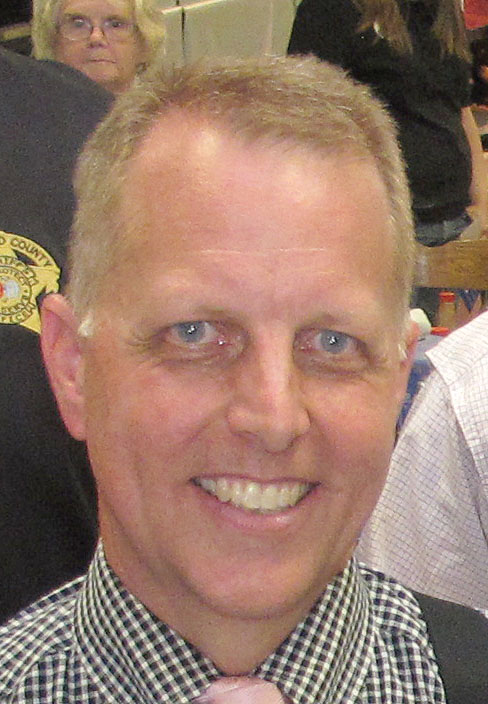
    Mike Fanning

    COLUMBIA – The state’s highest law enforcement agency has opened an investigation into allegations, based on an incident report filed last week with the Hampton County Sheriff’s Department, that Mike Fanning, of Mitford, and currently the Democratic nominee for S.C. Senate District 17, had an “inappropriate relationship” with a 16-year-old female student when he was her teacher at Estill High School beginning in 1993, a spokesperson for the S.C. Law Enforcement Division (SLED) confirmed Tuesday.

    The offenses, as stated in the incident report, which was filed Sept. 29, were ‘fondling – forcible.’

    According to the woman who filed the report and who is now 40 years old, the relationship with Fanning, who she said was her history teacher at the time, began in the spring of 1993, her junior year in high school, and progressed in intensity, lasting until the fall of 1994 during her first semester of college.

    The woman told The Voice last week in a phone conversation that she did not have contact with Fanning again until they both showed up at a mutual friend’s birthday party about 10 years ago. She said he contacted her last fall via Facebook to say he was planning to run for political office and wanted to know if she was proud of him.

    “After I thought about that for a while, it bothered me,” she said, “because I felt he was contacting me to find out if I was going to cause him any problems in his campaign.”

    Other documents obtained by The Voice refer to separate allegations by two female students in May 1998, of inappropriate touching that allegedly took place in Fanning’s home and that resulted in Fanning being suspended with pay from his high school teaching position in Columbia.

    Fanning was not charged as a result of the allegations, and other documents indicate that he passed a non-law enforcement administered polygraph examination in connection with the accusations. Documents from July 1998 further state that the Richland County Sheriff’s Department did not press charges due to ‘not sufficient evidence for criminal prosecution,’ and Fanning was subsequently reinstated to his teaching position.

    Fanning is the Executive Director of the Olde English Consortium, a 501(c)3 non-profit that, according to its website is an “educational collaborative seeking to promote excellence in education through collaboration.”

    In the Nov. 8 general election, Fanning will face Republican candidate Mark Palmer for the district that includes parts of Chester, Fairfield and York counties.

    Fanning had not, at press time, responded to The Voice’s phone messages.


  • Qualls Helping FMH Cut Costs

    linda-qualls-web
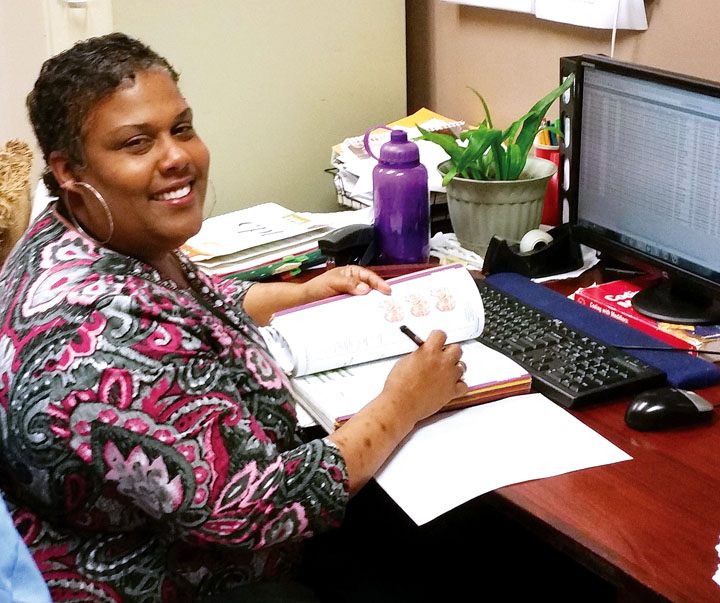
    Linda Qualls, Certified Coding Associate for Fairfield Memorial, looks up coding information for her newest batch of hospital files.

    WINNSBORO – It’s no secret that the future of Fairfield Memorial Hospital is up in the air and has been for a long time. As the hospital has struggled in recent years to stay afloat with County funds until it can work out a partnership with another health care facility, its problems and debt have mounted as solutions remained elusive.

    But there are beginning to be some bright spots – new management, new board members and Linda Qualls.

    Last year, Qualls, employed by the hospital for 12 years, with much of that time as a billing records clerk, took it upon herself to help the hospital save money, a lot of money, by becoming a certified billing and medical coder. This year the hospital is on track to save as much as $50,000 because of Qualls’ certification.

    “Regulations and laws require that billing records be coded for us to get paid,” Karen Reynolds, Senior Director of Health Information at FMH, told The Voice. “Because we had no one in house to code our billing records, we’ve had to outsource that work at a significant cost every year. By becoming a certified coder, Linda has been able to take on many of those coding duties such as our new Mako Laboratory account claims, provide all coding and billing for our Blue Granite outpatient clinic and handle roughly fifty percent of all other medical coding needs within the hospital. What Linda has accomplished for the hospital is no small feat. She has earned both the Certified Coding Associate and the Rural Health Coding and Billing Specialist credentials. ”

    Those certifications required course work at Midlands Technical College, various coding boot camps, independent study and sitting two national exams, Reynolds said. “I’m very proud and the hospital management is thankful for what Linda has done.”

    The courses, training and certifications are regulated by the Association for Rural Health Professional Coding (APHPC), Office of Rural Health and American Health Information Management Association.

    “There are certain nuances about Rural Health coding that are a little bit different than in a doctor’s office or a hospital,” Reynolds said. “So to understand those nuances and be certified to not only code, but bill as well, is a unique certification that not a lot of people have.”

    Qualls told The Voice that she was hesitant, at first, to take the qualification classes, even though she knew she liked to code and had a natural knack for it.

    “I was scared the classes would be too hard, but Karen really encouraged me,” Qualls said.

    “My advice to her was ‘nothing ventured, nothing gained,’” Reynolds said. “I felt confident that she could do it.”

    With a dedicated support system, Qualls pushed past her fears and finished her certification with flying colors. Now she says she feels like she’s accomplished something really big and is proud of herself for it.

    “It really has made all the difference,” Qualls said.

    Reynolds said that while the hospital has lowered its costs by no longer having to outsource most of its coding and billing paperwork, she doesn’t think the hospital will eliminate outsourcing coding and billing altogether.

    “Those (coding) companies have 25-100 coders and so the advantage is having them as kind of our back up,” Reynolds said. “They can essentially code around the clock and on weekends. There’s great value in having both (in house and outsourcing),” Reynolds said.

    For her part, Qualls says she is willing to help out however possible in the hospital’s struggle to not only survive but to thrive.

    “I love this hospital. It’s like my home, and I’m glad to do what I can to save the hospital money and hopefully it will be here for years to come for the County’s residents,” Qualls said.

    But for Qualls, her accomplishments are not a signal that it’s time to coast. She’s now working toward becoming certified on an even higher level.

    “I’ve got one more level of certification that I’m studying for and it’s the highest level, a Certified Code Specialist,” Qualls said. “Hopefully, I’ll soon be able to set a date to take the test.”

    And for Fairfield Memorial Hospital, that certification will likely mean even greater cost savings.

    “It’s another positive step for our hospital,” Reynolds said.

  • WDPS Chief Charged in Prostitution Sting

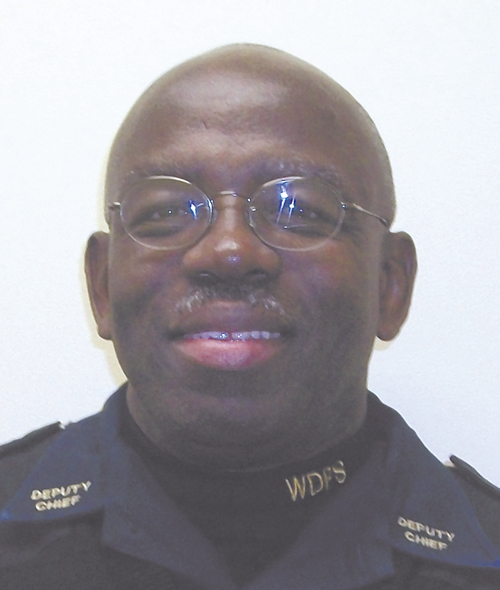
    WDPS Chief Freddie Lorick
    WDPS Chief Freddie Lorick

    WINNSBORO (Sept. 30, 2016) – Chief of Public Safety Freddie Lorick has been placed on administrative leave, Mayor Roger Gaddy told The Voice this evening, pending the outcome of charges stemming from Lorick’s arrest earlier today during an undercover sting in Columbia.

    According to the Columbia Police Department, organized crime and narcotics units made several arrests Friday during an undercover prostitution operation. Lorick was among those arrested. He has been charged with soliciting prostitution.

    During the arrest, Lorick advised officers that he needed medical attention, the Police Department said, and he was transported by EMS to a local hospital. At press time there was no word on his condition or whether he had as yet been processed at the Alvin S. Glenn Detention Center in Richland County. As of 4 p.m. Friday, the detention center said they did not have Lorick in custody. An incident report has not yet been provided by the Police Department.

    Gaddy said Maj. John Seibles will be acting Chief until Lorick’s case is resolved.


  • Bomb Threat at V.C. Summer Construction Site

    vc_summer_jan_12_2014_img_0318-sm-copyJENKINSVILLE (Sept. 29, 2016) – Investigators with the Fairfield County Sheriff’s Office and the S.C. Law Enforcement Division (SLED) have issued the all-clear and crews are back at work after a bomb threat halted construction this morning at the V.C. Summer Nuclear Station in Jenkinsville.

    Investigators were alerted to the threat at approximately 6:30 a.m. today, the Sheriff’s Office said; and while SCE&G employees were not evacuated from the nuclear plant itself, construction workers employed at the site of two new nuclear reactors were cleared from the area while SLED agents and Sheriff’s deputies searched for the reported explosive device.

    A spokesperson for SCE&G said the bomb threat was made against the construction site, and not the operational nuclear plant. The threat proved to be unsubstantiated, the spokesperson said, and at no time was any member of the public at risk.

    After an extensive search of the area, the Sheriff’s Office issued the all-clear at approximately 10 a.m.

    At press time, no suspect had been identified, but Maj. Brad Douglas of the Sheriff’s Office said investigators were working with SCE&G security to develop and identify any potential suspects.

    “As with any calls for service, we take this type of call very seriously and are treating it in a professional manner,” Sheriff Will Montgomery said. “We want to assure our citizens that we have taken every precaution to ensure the safety of the public.”