Tag: A Day Away

  • Sumter to Prosperity

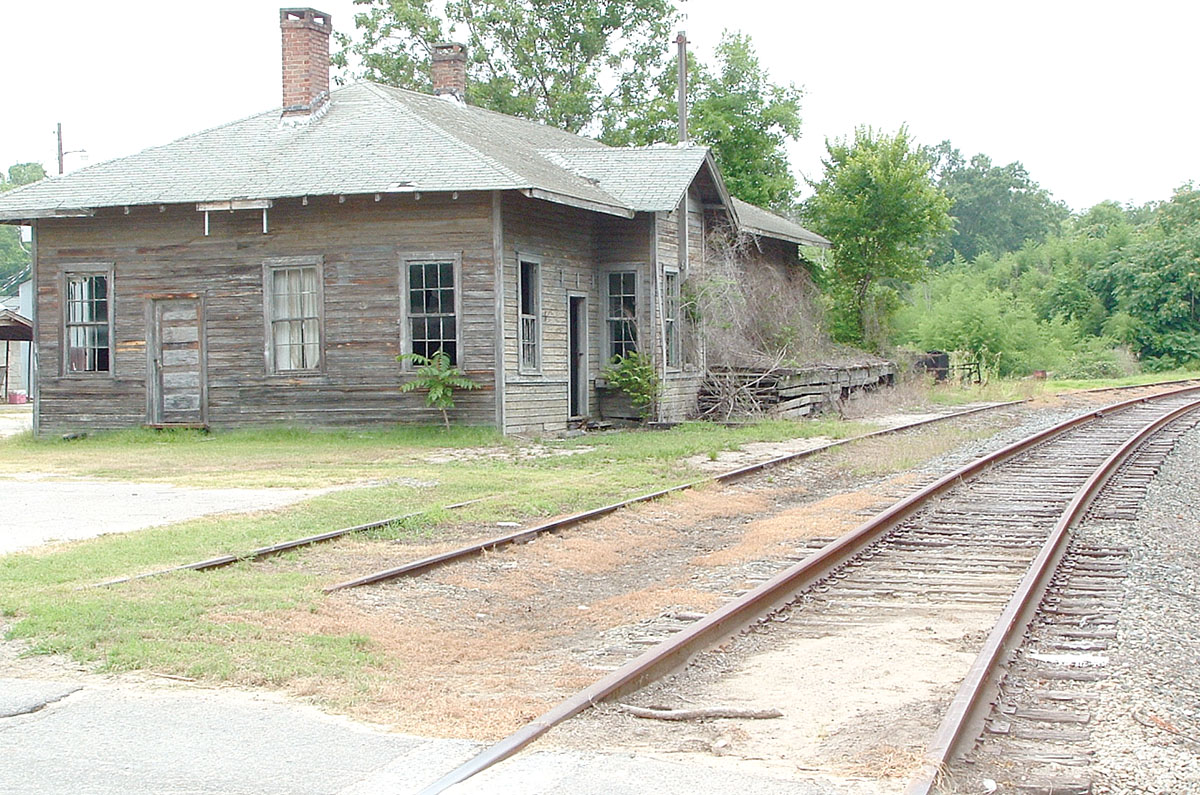
    The old train depot in Prosperity, one of the many relics along Highway 76 as it winds through South Carolina.

    A Summer Road Trip Across SC, Part Two of a Three-Part Guide to Crisscrossing South Carolina

    Sumter’s regal O’Donnell House commands the eye. Built circa 1840 in the Italianate style, Frank Pierce Milburn remodeled it in 1905 in the Neo-Classical style. Once a funeral home, now a social venue, it’s on the National Register of Historic Places.

    So is Sumter’s restored Opera House. Built in the mid-1890s, it houses City Hall offices. Stately and evocative of Europe, I wouldn’t trade this classic opera house for 100 multiplex cinemas.

    West of Sumter, the highway’s military character strengthens. Jets from Shaw Air Force Base’s 20th Fighter Wing scream over Manchester Forest. Across the Wateree River, jets streak over Highway 76 from McEntire Air Base, once known as Congaree Army Airfield.

    Close by stands the last old-growth bottomland forest, Congaree Swamp National Park. World-record trees take their place among redwoods and sequoias as arboreal legends. Alas, past car dealerships and fast food restaurants and into Columbia where 76 joins I-126 near Elmwood Cemetery. Here on a bluff, the Broad River purling below, Confederate soldiers sleep.

    Approaching Riverbanks Zoo, fall line rapids churn, plummet, stair step, froth and run white. On zoo grounds lie ruins: a covered bridge and one of the South’s oldest cotton mills, which Sherman burned. Confederates torched the bridge, a futile attempt to keep Sherman out of Columbia.

    I-26 soon steals Highway 76’s identity, but thankfully, 76 divorces it near a gleaming Toyota dealership. Now 76 strings beautiful beads together — small towns. It curves into Ballentine, named for E. A. Ballentine, who ran a general store in this Lexington County settlement.

    Built in 1929, it’s the town’s last original building. Political candidates once waxed eloquent here as wise old men played checkers by the wood stove.

    Angie Rhame opened High Noon here on Valentine’s Day 2007. In walked an elderly woman.

    “This does my heart good,” she told Rhame. “I was so afraid they’d tear this place down. I have so many memories here.”

    A train rumbles by each day at high noon, (thus the name). In the old days as the train rolled through, an attendant snagged a mailbag from a hook and hurled a sack of incoming mail to the ground.

    High Noon was Farm House Antiques from 1995 until 2006. Proprietor was Carlos Gibbons, father of Leeza, South Carolina’s gift to national television.

    Ballentine leads into White Rock, which melts into Chapin. From 76, you’re a stone’s throw from Beaufort Street and its eclectic shops, among them a gallery and NASCAR collectibles shop.

    Just inside Newberry County, a thicket veils a vanquished farm. A poignant reminder of a time when small farms sustained this country. Just beyond Prosperity’s old train depot sits the town square. There, too, sits a 1935 granite block building.

    A Swede laid the granite blocks quarried in Winnsboro for $3.25 a day. This was where C. Boyd Bedenbaugh operated Bedenbaugh Mules and Horses. Saturdays, farmers came to buy horses and mules. To gauge an animal’s temperament, farmers walked it around the public square before buying it.

    Down the road apiece, an old ’50s gas station, now a dusty antiques shop, speaks volumes about I-26’s arrival. Toward Clinton, orange tiger paws adorn a shed’s roof near a Christmas tree farm in 76’s ongoing crazy quilt culture.

    Next week: Part Three — From Joanna To the Chattooga

    Learn more about Tom Poland, a Southern writer, and his work at www.tompoland.net. Email day-trip ideas to him at tompol@earthlink.net.
  • The Spirit of 76

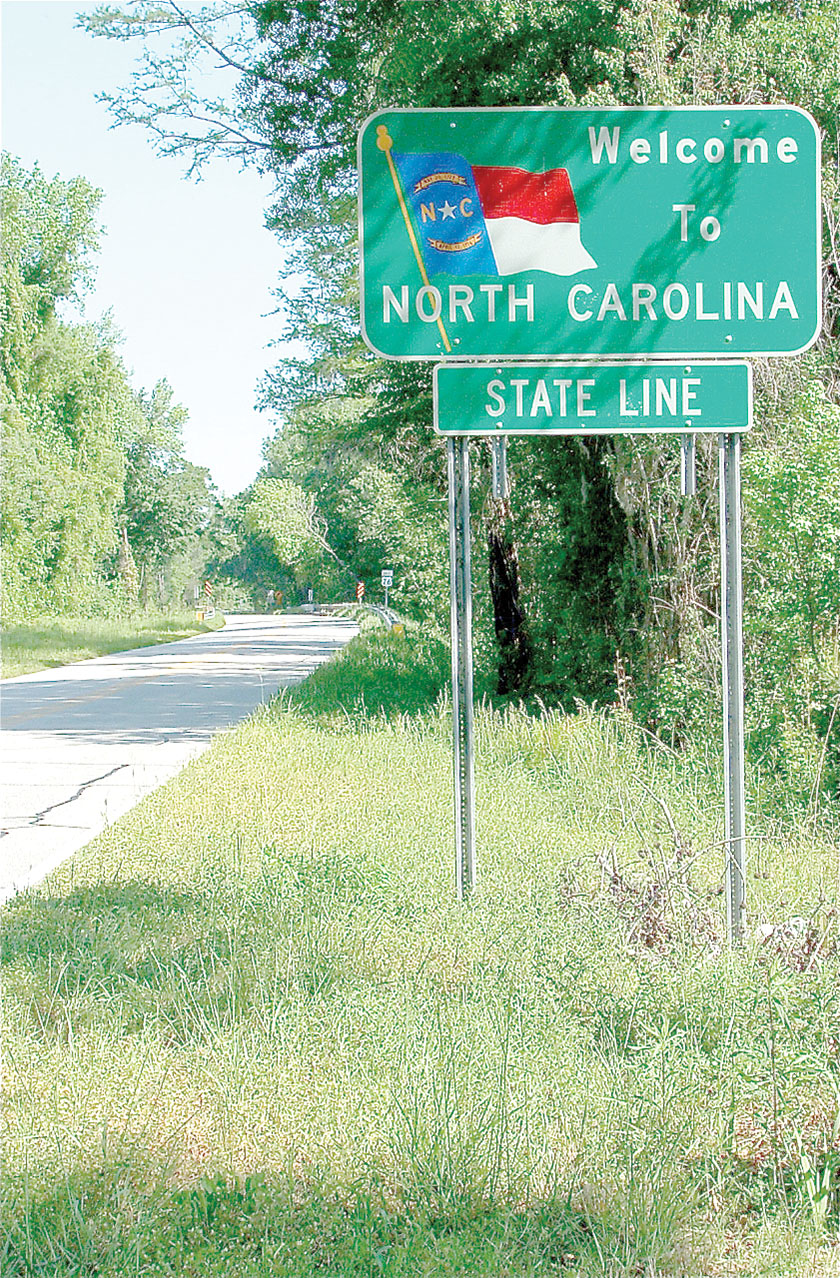
    Your starting point, the N.C. state line. Begin here and follow Highway 76 through rural South Carolina.

    A Summer Road Trip Across S.C.,

    Part One: From Spring Branch to Mayesville

    Summer means road trips. Here’s a guide to crossing South Carolina in three drives.

    Slung across the Palmetto State like a thin, low-hung belt and cosigning with 176, 378, 301, I-26, I-126, and other roads, 76 runs across the Palmetto State entire. In all, 76 runs 548 miles, east to west, from Wrightsville Beach, N.C., to Chattanooga, Tenn.

    And it runs through my mind, this asphalt river lost in time. For I have driven every inch of it, and I know that for those who live along its path and those who go to work on it, it flows as essential as ever. On three Sundays, I journeyed its length – past remnants of an old South Carolina and a shiny new South Carolina. My escort? The goddess Change.

    Highway 76 begins unceremoniously, easing into South Carolina from Tar Heel Land. No state sign welcomes me, just a sign heralding my arrival in the Horry County community of Spring Branch. Crossing the Little Pee Dee, I’m in vintage country. A tire swings from a tree near the Spring Branch Country Store. And then Nichols, all 1.4 square miles, arrives.

    From a weathered mansion’s column, a framed deer head stares at 76 passersby. Man’s oldest calling, hunting, thrives here. And fighting too. The town of Marion honors Francis Marion, Revolutionary War hero, and just beyond flows the Great Pee Dee, the river that missed renown in Stephen Foster’s “Old Folks at Home.” Spying the Suwannee River on a map, Foster preferred “Swanee’s” lyrical fit.

    Highway 76 can be surreal. A “Broken Arrow” incident, the first, happened at Mars Bluff. A B-47 bomber, No. 876, left Savannah’s Hunter Air Force Base for North Africa. At 4:19 in the afternoon of March 11, 1958, it accidentally dropped an unarmed nuclear bomb in the woods behind Bill Gregg’s home. The bomb slammed down in gummy loam and its high-explosive trigger dug a crater 50 feet wide and 35 feet deep. No one died.

    Not far away, a gunboat sleeps way down beneath the Pee Dee. The Confederate Mars Bluff Naval Shipyard built the C.S.S. Pee Dee upriver from the 76 Bridge. Because Sherman was coming, Confederates sank the Pee Dee March 15, 1865.

    Fields and forests fly by until I arrive in Florence, where the Drive-In Restaurant claims to have the Pee Dee’s greatest fried chicken. That would please those Chic-Fil-A bovines who take matters into their own hooves and their famous cousin who lived here. In 1925 Commerce Secretary Herbert Hoover visited Fred Young’s dairy farm whose Jersey, “Sensation’s Mikado’s Millie,” set a world-champion butter-fat record.

    In Timmonsville, “Cale Yarborough” says it all. NASCAR racing through my mind, I approach Cartersville and pass JB’s CB Shop, a reminder of the 1970s citizens band craze. Outside Mayesville, veins of tar run like rivers through 76, now a gravel reminder of Sumter County’s old days. From here came Mary McLeod-Bethune, civil rights leader, unofficial advisor to Franklin Roosevelt and founder of Bethune-Cookman College in Daytona Beach, which she opened for African-American girls in 1904.

    Next week: Part Two — From Sumter to Prosperity

    Learn more about Tom Poland, a Southern writer, and his work at www.tompoland.net. Email day-trip ideas to him at tompol@earthlink.net.

  • Sentimental Journey

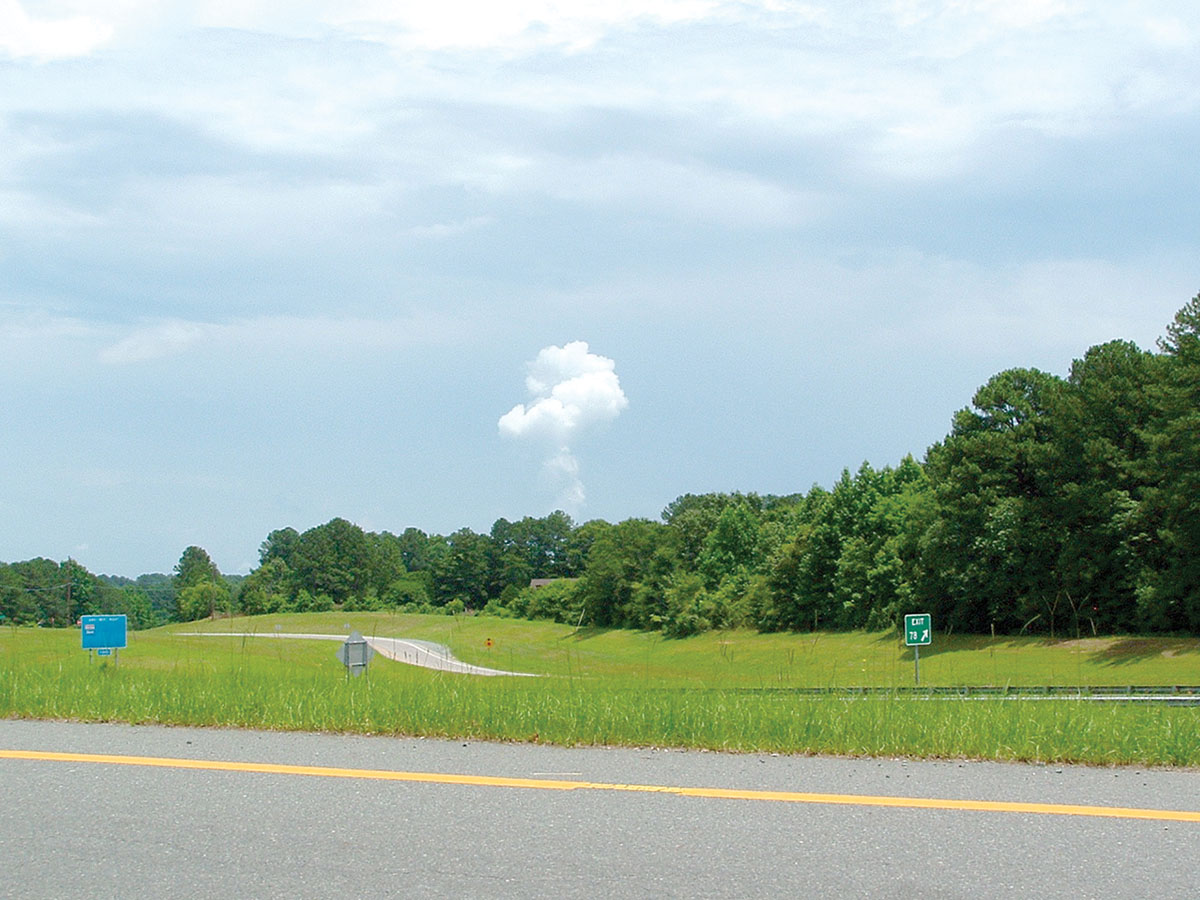
    Take Exit 78 to Hiroshima?
    Not quite. A little to the east, near Apex, N.C., where there is a nuclear power plant. And just ignore that cloud. It’s perfectly safe. Trust us.

    Want to take a trip down memory lane? Want to just drive with no particular place to go? Drive U.S. 1 north into the Tar Heel state. You’ll pass through many a small town, hailed as a place where values and virtues die with the greatest of reluctance. Mayberry comes to mind. It was a sleepy little town where good people and memorable characters lived.

    I avoid interstates when I can, so I pass through a lot of small towns and I can tell you small town America is dying, thanks in large part to interstate highways. See ‘em while you can. Last summer I drove from Raleigh to Columbia down a road once mighty, U.S. 1 South — the main road from New York City to Miami, once upon a time. It strung prosperous towns together like beads on a silver chain. Then I-95 came and tarnished the chain and the beads lost their luster. Today No. 1 runs past many an abandoned mom and pop store. All along its route, dust covers places that once thrived.

    In the glory days to have a business on the shoulder of U.S. 1 was to prosper. No more. It’s easy to spot forsaken diners and gas stations from the 1950s and 1960s. Dust can cover them but it cannot destroy their classic architecture’s lines. I urge you to drive this highway to see just how much our country has changed.

    Not far from Apex, N.C., you’ll see an odd white cloud ascending into the sky, a tornado of steam. It comes from a nuclear power plant. That’s how much things have changed.

    As for the old diners, stores and “filling stations,” what happened to the people who built and ran these places? Where did they go?

    Driving along I tried to summon up what it must have been like to see your livelihood destroyed by a monstrous freeway and the lure of saving time. Below Sanford I drove by a service station/grocery store covered in vines and suddenly it became easy. I imagined a thriving business with green-and-white hand-painted signs out front. “Fresh Vegetables.” “Red, Ripe Tomatoes.” “Cheap Gas.” And then I-95 snaked its way across the land and fewer eyes saw those simple advertisements.

    The hum of tires faded and the clanging of cash registers quieted. More than one owner I’m sure made it a habit to stand in front of his store, hand shielding the sun from his eyes, scanning the road.

    “No traffic. Well, not like it used to be.”

    In leveling forests and plowing up fields and God knows what else to build 42,793 miles of limited-access pavement, the interstates changed America in ways few could have imagined. In 2004 Forbes magazine published “The Great Paving,” which said, “The Interstate system was sold as a savior for both rural America and declining urban cores; instead it speeded the trend toward suburbanization at the expense of both city and country. It was heralded as an antidote to traffic jams; instead it brought ever more congestion.”

    You can still see vestiges of pre-interstate days. Work your way over to Camden and make a sentimental journey north on U.S. 1.

    If You Go …

    • Take a camera

    Learn more about Tom Poland, a Southern writer, and his work at www.tompoland.net. Email day-trip ideas to him at tompol@earthlink.net.
  • French Huguenot Country

    This Maltese cross marks the spot where Huguenots worshipped, somewhere near the Georgia state line.

    This day trip is hard to estimate because addresses don’t exist. Still, I’d estimate that 115 miles or so will take you to a region rich with history. Beyond McCormick, toward the Georgia line, you’ll find old French Huguenot Country (Main directions below). Off U.S. Highway 378, your first stop is Badwell Cemetery. Stay on the Huguenot Parkway all the way through Savannah Lakes, and you will spot Badwell Cemetery Road to the right. Take this sandy lane, take the left fork and you’ll arrive at a turnaround where a white monument breaks through the greenery. Park near a beech tree where countless souls have carved sentiments and messages into its aged bark.

    You’ll find the cemetery downhill. Be alert. Legend says a troll guards Badwell Cemetery. A rock wall, partially caved in, protects the cemetery, or tries to. Thieves made off with the Grim Reaper sculpture that guarded the wall’s iron door, but it was recovered and sits in the South Carolina State Museum. I’ll always remember this graveyard, but not because notable French Huguenots such as the Rev. Gene Louis Gibert and Petigru and Alston family members lie here. No, credit for this bittersweet memory goes to the inscription on a four-sided white marble marker:

    Sacred to the memory of Martha Petigru, Only daughter and last remaining child of Thomas and Mary Lynn Petigru, Aged 25 years, 1 month, and 16 Days.

    Her sun went down

    While it was yet day.

    Born Septr. 16th 1830

    Died Novr. 2nd 1855

    May the parents who bitterly mourn the

    Irreparable loss of one

    So deservedly beloved,

    Be cheered by Him, Who has said.

    “I am the Resurrection and the Life,

    He that believeth in me, though he were dead,

    Yet shall he live.”

    Her sun went down while it was yet day, Jeremiah 15:9. If you’ll backtrack and take the right fork, you can follow a path to an old block springhouse where folks stored food in cool water to better preserve it.

    Your next stop is a memorial to the site of a Huguenot place of worship. Now here you’ll have to be a bit adventurous and just drive on past the road that took you to Badwell. Look for memorial signs. Take a sandy lane to the left and drive on through the pines until you see a Maltese cross that marks the spot of the New Bordeaux Huguenot place of worship. New Bordeaux, 1764, was the last of seven French Huguenot colonies founded in South Carolina. The village prospered in the 1760s and early 1770s, but the Revolutionary War ruined their economy and New Bordeaux faded away.

    In addition to Badwell Cemetery and the old springhouse in this part of the state you can explore Mt. Carmel, a ghost town of sorts, New Bordeaux, the old Calhoun Mill and the ruins of Fort Charlotte.

    Get a good map and strike out on an adventure in history.

    If You Go …

    • Take SC-121 to US-378, then after passing the Baker Creek State Park sign look for Huguenot Parkway and follow the signs.

    • Admission: A bit of courage but no money!

    Learn more about Tom Poland, a Southern writer, and his work at www.tompoland.net. Email day-trip ideas to him at tompol@earthlink.net.
  • Art Deco & The Alamo?

    A Cartoon, a Newsreel and a Talkie for a Nickel?
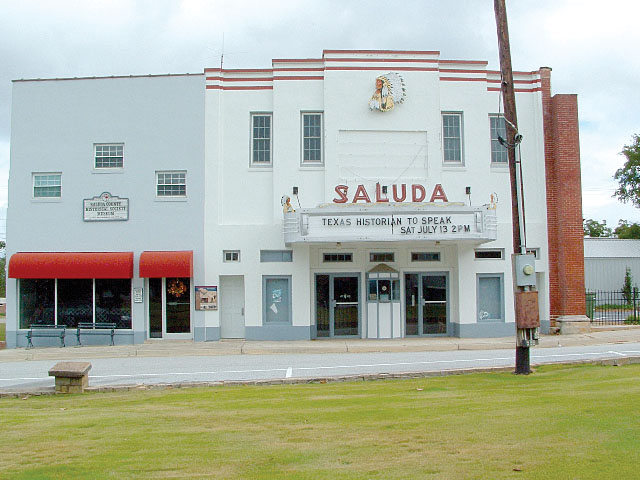
    No; but it is a very cool looking theater. Check it out – and more – in downtown Saluda.

    For many years I drove down Highway 378 to my family home in Georgia. The journey took me through downtown Saluda. There I noticed a handsome old theater, the Saluda Theater. I didn’t know much about it, but that changed in 1987 when I was working on a book for the University of South Carolina Press. When researching and writing “South Carolina, A Timeless Journey,” I wrote a chapter, “Highway 378,” in which I covered the Saluda Theater. What a great history this theater owns. Drive 60 miles southeast and you can see the handsome theater and its colorful sign.

    The theater, built in 1936, is 78 years old. Back when I interviewed Mary Parkman, then-executive director of the Saluda County Historical Society, she said the theater opened with Shirley Temple’s “Susanna of the Mounties.” Over the years the theater hosted Lash Larue, the whip-wielding cowboy, and other notables. When cable TV and the video rental explosion hit, the old theater’s days were numbered. It closed in 1981 after a 45-year run and gathered dust.

    It was a good day in 1987 when Saluda County bought the theater and donated it to the local Historical Society. Renovations followed and in August 1990 the ABC-TV miniseries used the theater as the set for a scene in “And Justice For All.”

    Back in its heyday, two old arc projectors that burned carbon rods stood side by side back of the balcony. Those old projectors put out a ton of heat and fire was a possibility. The small projection booth where they stood had two trap doors held open by cotton strings that ran across the lens housing. If the projectors overheated the strings caught fire, burned in two, and trap doors slammed shut, shutting off the supply of air, a rudimentary safety strategy.

    Today the theater is on the National Register of Historic Places. If you make the trip to see it you will see that it looks much like it did in 1936. Its art deco design supports the fact that it was built in 1936, a time when precise and boldly delineated geometric shapes and strong colors dominated architecture in small towns. Few theaters like the Saluda Theater exist in the United States today. Appropriately, a museum stands adjacent to the theater.

    Native American history is strong in Saluda County. When you go, be sure to check out the mural across Highway 378 that depicts Old Hop and other Cherokee chiefs ceding their territory to Governor Glen on July 2, 1755. As well Saluda County has ties to the Alamo. Native sons William Barrett Travis and James Butler Bonham were at the Alamo where both died in the Texas Revolution. Locals like to say “Saluda County is where Texas began.”

    Plan a drive over to Saluda and ask about other historic sites such as “Flat Grove” and the Marsh-Johnson House.

    If You Go …

    • Make your way to Highway 34 and follow it to downtown Saluda. The theater is adjacent to the courthouse at 107 Law Range.

    • Learn more about the Saluda Theater at www.saludacountyhistoricalsociety.org/saluda-theater/12-saluda-theater.html


    Learn more about Tom Poland, a Southern writer, and his work at www.tompoland.net. Email day-trip ideas to him at tompol@earthlink.net.
  • Streets of Gold

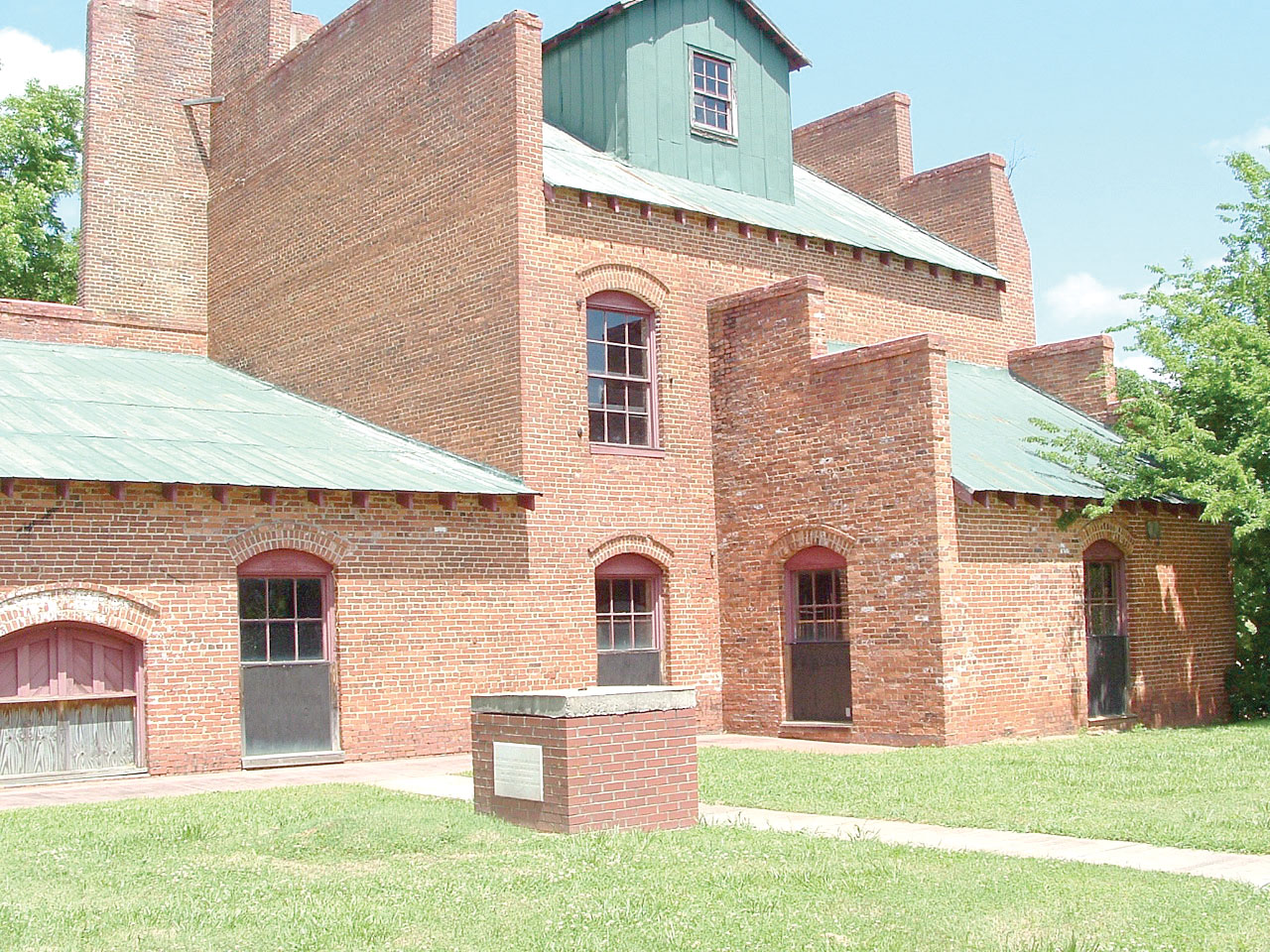
    The historic Dorn Mill in McCormick.

    Two hours of back roads and about 98 miles will take you to McCormick, where the second-richest vein of gold in South Carolina history was discovered. In February 1852, William Burkhalter Dorn discovered gold where McCormick sits. The Dorn Gold Mine in McCormick is one of the more important gold mines in South Carolina. Dorn excavated close to $1 million in gold before the mine ran out in the late 1850s. McCormick stands over the old sites of gold discovery. Dorn himself became wealthy but lost much of his fortune after the Civil War.

    Cyrus H. McCormick, inventor of the mechanical reaper, bought the property. When the mines didn’t pan out, McCormick planned the town that took his name.

    Evidence of boom times remains. McCormick has an historic mill, a grand courthouse and a fine old hotel that once housed train travelers. The Dorn Mill, restored in 1973, is one of the few remaining gristmills of its type in the United States. The three-story building, built circa 1898, has two steam boilers that powered two 10-ton stationary steam engines. Inside is a boiler made by the Lombard Iron Works of Augusta. That boiler powered this attrition mill where grinding plates revolved in opposite direction at 2,200 revolutions per minute. When this mill was up and running the din must have been unbelievable. A beautiful aspect of the old mill is its many hues of wood. Beams chutes and railings are blond, red and tan. Beautiful too is the Silver Creek Flour Packer.

    Viewed from the front the mill has a medieval look. Listed on the National Register of Historic Places it’s lauded as an outstanding example of rural industrial architecture. The dominant feature of the exterior is a three-story brick wall built in 1915 to support a water tower tank.

    Hotel Keturah, circa 1910, a building also on the National Register of Historic Places, faces the railroad tracks running through town. In front of the hotel, you’ll see six stones sunk into a sloping shoulder of grass just off the rail tracks. Down these “steps” black gentlemen in tuxedoes escorted train passengers to Hotel Keturah. Keturah, by the way, is the name of the wife of W.J. Conner. And who might he be? The man who built not one, but two hotels on this site and named them both in his wife’s honor (the first Hotel Keturah, 1900, burned in 1909).

    Just beyond Hotel Keturah stands the handsome seat of justice. At 133 South Mine Street stands an historic building. Built in 1923, seven years after McCormick County was formed, the building is a Neo-Classical style brick building. The interior features pressed metal ceilings and the original transoms and doors. Like the gristmill and Hotel Keturah, it too is on the National Register of Historic Places.

    Gold, a famous inventor and historic buildings wait in McCormick. And it’s a day trip away.

    If You Go …

    • www.mccormickscchamber.org/attractions.php?silverheader=2#

    • Chamber of Commerce: 864-852-2382

    • Baker Creek State Park: 864-443-2457

    • Hickory Knob State Park: 864-391-2450

    Learn more about Tom Poland, a Southern writer, and his work at www.tompoland.net. Email day-trip ideas to him at tompol@earthlink.net.
  • South Carolina’s Rooftop

    I Can See My House from Here –
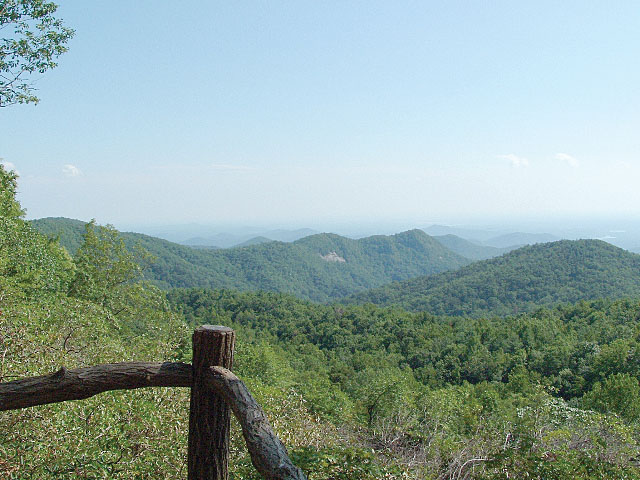
    The view from atop Sassafras Mountain, from which you can see four states.

    Feel like a challenge? Drive about 122 miles to Pickens County and ascend Sassafras Mountain’s 3,560 feet – by car of course. When you do, you’ve reached the highest point in South Carolina, its rooftop. Standing on Sassafras Mountain you can look over a rippling green land in spring, a darker green in summer and a color-struck land in autumn. I’d avoid it when winter’s icy grip holds the land.

    South Carolina’s rooftop attracts highpointers, people who pursue the sport of ascending the highest elevation in a given area. Thus do they come to South Carolina’s rooftop.

    I’ve made it to the top in early morning. At dawn sun glints off three lakes as the forests of four states mutate from black to olive green to jade: From Sassafras Mountain you can see the Volunteer, Tarheel, Peach and Palmetto states. Lakes Jocassee, Keowee and Hartwell look like shiny dimes from 3,564 feet and they pale silver as the sun climbs.

    In summer the rooftop grows pretty hot. Haze obscures things and the distant lakes appear ill defined. Atmospheric lines of blue, gray and white air stack along the horizon like lake sediment. One summer day all that hot air played a trick on me. It created a mirage. A freighter appeared to steam across Lake Keowee toward Jocassee. My Vortex Diamondback 8×42 glasses verified things. The freighter was there, all right, headed for mountain swells. It steamed along but got nowhere, this shimmering ship from the sea that cannot be.

    In a blink it disappeared. Gone. I looked through the glasses again and saw a small watercraft plying the lake’s veneer, a feathery wake trailing it. This Fata Morgana brought to mind Hemingway’s “True at First Light” and a mirage extraordinaire he witnessed.

    “In Africa, a thing is true at first light and a lie by noon and you have no more respect for it than the lovely, perfect weed-fringed lake you see across the sun-baked salt plain. You have walked across that plain in the morning and you know that no such lake is there. But now it is there absolutely true, beautiful and believable.”

    You needn’t worry about mirages and you surely don’t have to be a highpointer to go to Sassafras. Strike out. It’s a great place to experience other seasons. In August you can stand atop Sassafras Mountain and feel fall’s chill. On Sassafras a man can see for miles and miles and miles, as Mr. Townsend famously wrote. Standing on South Carolina’s rooftop you look over a rippling green land and smoky blue hills. As night draws nigh wine, yellow, orange and cinnamon hues prevail until shadows reign supreme.

    One final note: A recent South Carolina Geological Survey assessment downgraded Sassafras Mountain to 3,533 feet, because of grading that lowered the natural height. It still stands at least 50 feet higher than nearby Hickerynut Mountain (3,483 feet).

     If You Go …

    Sassafras Mountain

    • 1399 F. Van Clayton Memorial Highway

    Sunset, S.C. 29685

    • 864-654-1671

    • Lat/Lon: 35.06470°N / 82.7775°W

    •www.visitpickenscounty.com/vendor/124/sassafras-mountain/

    Learn more about Tom Poland, a Southern writer, and his work at www.tompoland.net. Email day-trip ideas to him at tompol@earthlink.net.
  • Voodoo Jugs & Turkey Art

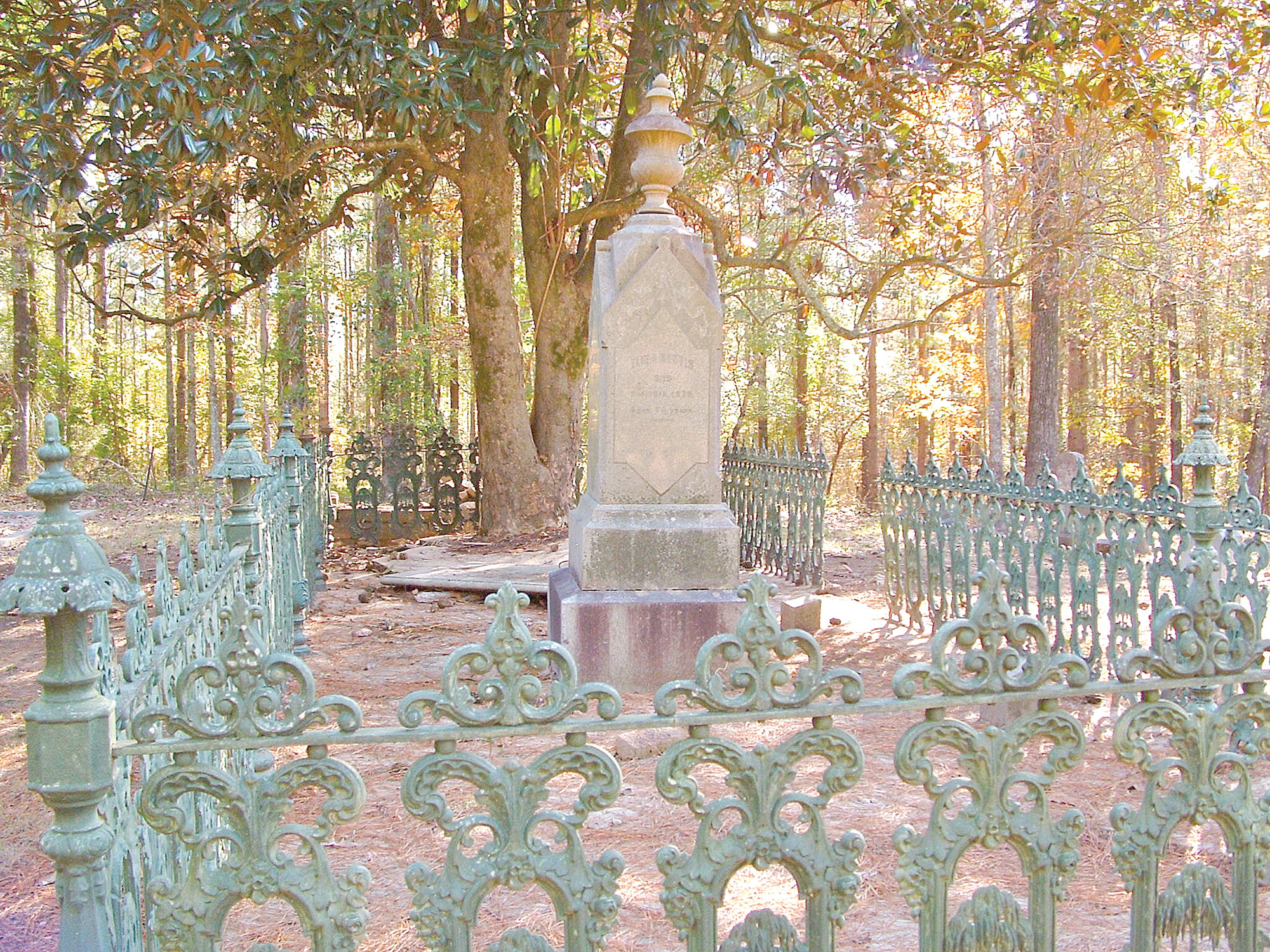
    The grave of John Bettis, near Edgefield, S.C.

    Less than two hours away, about 92 miles to the southwest, you’ll find a rich history. A town that can boast it’s the home to 10 governors, an historic pottery tradition and strange-but-colorful turkey art. We’re talking Edgefield where the statue of Strom Thurmond overlooks the town square. You’ll see classic antebellum homes, antique shops, an old carpenter’s stand, majestic old cemeteries and lots of history. Just outside the town limits you’ll find the headquarters of the National Wild Turkey Federation.

    Founded in 1785 as a trade center for farmers, Edgefield went on to develop some famous native sons. Its 10 governors are Andrew Pickens, George McDuffie, Pierce Mason Butler, James H. Hammond, Francis W. Pickens, Milledge Luke Bonham, John C. Sheppard, Benjamin R. Tillman, John Gary Evans and J. Strom Thurmond.

    Politics and pottery — that’s Edgefield. It’s not surprising a pottery tradition has long flourished in Edgefield with its rich resources of kaolin, sands, feldspars and pines. Edgefield’s pottery history is a good one. Plantations here led to a demand for large-scale food storage and preservation. In the 1800s, slaves made traditional, alkaline-glazed pottery much as they had in Africa. Particularly notable were the “grotesques” or “voodoo jugs” upon which slave potters applied facial features.

    Jane Bess still makes pottery in Edgefield. Jane, a Charleston native and University of Georgia graduate, makes gorgeous, functional stoneware. In an historic brick building, circa 1918, just off Main Street, you’ll find her charming shop and studio. Jane, who once lived in Atlanta, says the real America lives in small towns.

    Edgefield’s most famous potter, Dave, was born around 1800. Dave left 30 years of verified work, from 1834 to 1864. In 1840, Dave began signing his work, not by merely stamping his initials on the base, as was the custom, but by writing “Dave” on the shoulder of most vessels. His jars and jugs provide a glimpse into life back then.

    On one piece, Dave inscribed “I wonder where is all my relations / Friendship to all and every nation.” This couplet, inscribed April 16, 1857, alludes to the buying and selling of slave family members. On another piece, dated August 7, 1860, he wrote, “I saw a leopard and a lion’s face / then I felt the need of grace.” Perhaps it references the Bible, a dream or stories passed down by African ancestors. Historians surmise that Dave learned to read and write, perhaps, while working as a typesetter for an owner, Abner Landrum, who published a newspaper, The Edgefield Hive.

    Enjoy a day trip to Edgefield. It’s not that far away from you and it’s a great place to just walk around. Ask locals about Horn’s Creek Church and its hand-painted angels in each corner of the ceiling . . . down a dirt road.

    Edgefield. It’s worth the drive . . . Plan a trip when the peach trees are blooming and breathtaking beauty will be your companion.

    If You Go …

    • www.edgefieldsc.net

    Learn more about Tom Poland, a Southern writer, and his work at www.tompoland.net. Email day-trip ideas to him at tompol@earthlink.net.
  • A Truly Sculpted Garden

    ‘Let’s have a look at that impacted wisdom tooth!’
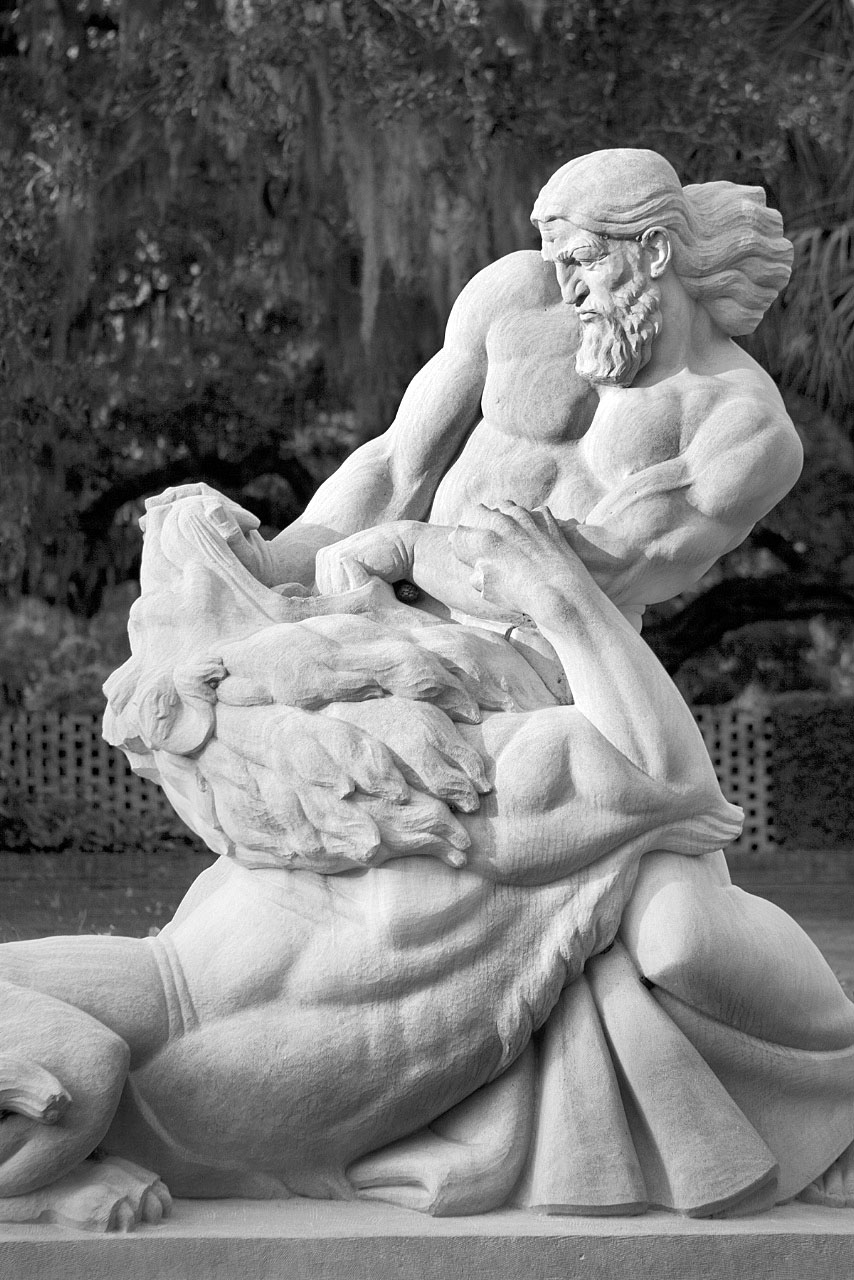
    “Samson and the Lion,” one of many sculptures on display at Brookgreen Gardens. (Photo/Robert Clark)

    Head east-southeast for 175 miles and set your coordinates on Brookgreen Gardens. There you’ll find the world’s largest collection of outdoor sculpture (1,444 statues) in one of the Southeast’s more beautiful public gardens. Brookgreen Gardens is a major destination close by Murrells Inlet where you can find plenty of fine seafood restaurants when your statue gazing is done. Myrtle Beach is close by as well. Plenty to do on this day trip for sure.

    In the beginning, the sprawling site where Brookgreen sits was part of four rice plantations. One of those plantations, Brookgreen, bequeathed its name to the gardens. The thousands of acres in Brookgreen’s Lowcountry History and Wildlife Preserve are rich with native plants and animals of the South Carolina Lowcountry. You’ll see evidence of the great rice plantations of the 1800s, too.

    Archer M. Huntington was the stepson of railroad magnate Collis Potter Huntington. He and his wife, Anna, a noted sculptor, purchased the four rice plantations (9,100 acres) as a site for showcasing sculptures. The location provided a more temperate refuge for Anna Huntington, who suffered tuberculosis from the mid-twenties to the mid-thirties. She and Archer would go on to found Brookgreen Gardens. They built a winter home, “Atalaya,” Spanish for watchtower. Archer Huntington, a noted Spanish culture expert, designed the house after the Moorish architecture of the Spanish Mediterranean coast. A square tower, which housed a 3,000-gallon cypress water tank, rises about 40 feet over the structure. Architecture of this type is rare in the United States. As you’d expect it is on National Register of Historic Places.

    Founded in 1931 as the nation’s first sculpture garden, statuary is abundant. See for instance Gleb W. Derujinsky’s “Samson & The Lion,” which he sculpted in 1949. It was placed in Brookgreen Gardens in 1950. Note how the play of light upon the stone brings realism to this work that depicts Samson as a force of nature. The statute stands at the center of a reflecting pool.

    Another popular statue is “Diana,” which stands in the middle of a circular pool as jets of water pay her homage. Augustus Saint-Gaudens sculpted “Diana.” One of America’s greatest artists his work is exhibited around the world. He became an American when his French father and Irish mother brought him to New York after his 1848 birth in Dublin.

    Visit the Garden’s website and check out its Events page. From January to March 6, Sundays, Tuesdays and Thursdays at noon and 2:30 p.m. you can reserve a ride on the Trekker, a safari-like van, down back roads and explore cemeteries, Brookgreen’s “Silent Cities.” Walk through former slaves and plantation owner graveyards and learn about the historical burial customs of European and African origin. Tickets are $15 in addition to garden admission for this two-hour excursion.

    If You Go …

    • Brookgreen Gardens
    1931 Brookgreen Garden Dr.

    Pawleys Island, S.C. 29585

    • Adults 13 to 64, $14; Seniors 65 and over, $12; Children 4 to 7, $7; Children 3 and under, Free
    • 843-235-6000

    • www.brookgreen.org/

    Learn more about Tom Poland, a Southern writer, and his work at www.tompoland.net. Email day-trip ideas to him at tompol@earthlink.net.

  • ‘Swamped’ at Four Holes

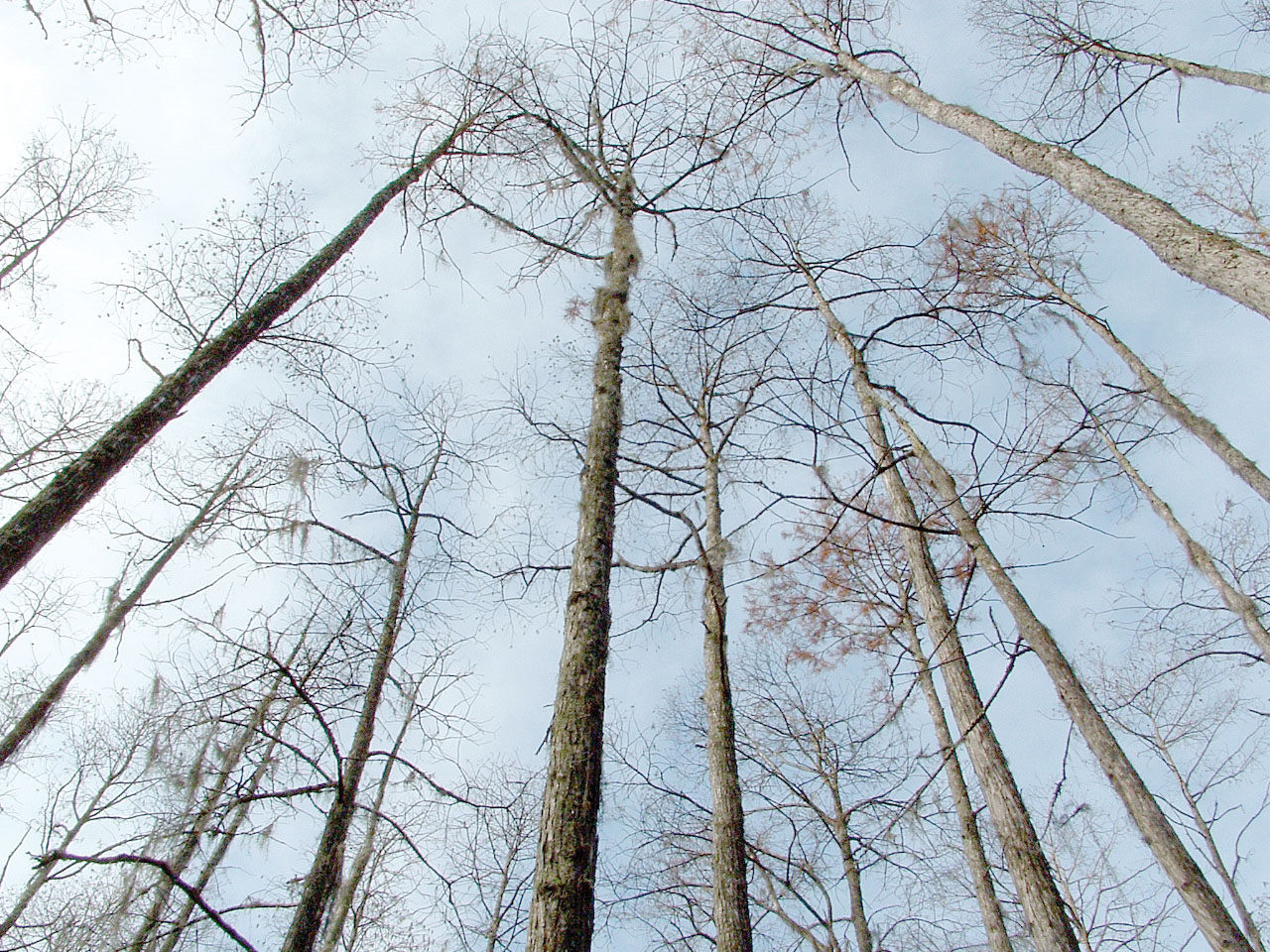
    The cypress and tupelo gum swamp keep watch over the Francis Beidler Forest. So be on your best behavior.

    You can be sure birdwatchers know all about this daytrip destination. Two hours south, a 109-mile drive, will take you to two natural areas well worth the drive. Down near Harleyville, you’ll find the Francis Beidler Forest and within that forest runs Four Holes Swamp. Despite the name “swamp,” Four Holes is a river that runs in a series of interlaced streams that braid themselves into a river that feeds into the Edisto River, the world’s largest free-flowing blackwater river.

    Four Holes Swamp rises in Calhoun County and runs just 62 miles. It’s in the Francis Beidler Forest, one of the largest wetland reserves on the East Coast. More than 16,000 acres of bald cypress and tupelo gum swamp — the world’s largest stand — and 1,700 acres of old-growth forest remain here, some trees more than 1,000 years old. Within the forest is an Audubon wildlife sanctuary, the aforementioned Four Holes Swamp, a blackwater creek system. Visit the Audubon Center and Sanctuary at Francis Beidler Forest for educational information on this vital natural area. Audubon has managed this natural area for more than 40 years and it is a great place to see how much of our valuable wetlands once looked before man altered them. When it’s not hunting season, the area is used for natural history education courses conducted by the Audubon Society.

    Whether you are an amateur or a veteran birdwatcher, you’ll love the sanctuary, an Important Bird Area. Approximately 140 bird species nest or migrate through Beidler Forest. One of the feathered stars is the gold and rare prothonotary warbler that sweetens the sanctuary’s swamp music with its chirpy birdsong. If you see a brilliant flash of yellow-orange among the trees you’ve witnessed a prothonotary warbler. Were you to really get lucky you might catch a glimpse of the majestic painted bunting. Overhead and through the swamp canopy you may see bald eagles. Other wildlife residents include otters, owls and rare plants such as the dwarf trillium, a flower found in South Carolina only at Four Holes Swamp in Beidler Forest.

    Keep an eye on the weather and when a few warm days arrive plan a trip to Francis Beidler Forest and Four Holes Swamp. Take your binoculars, a good camera and a bird guide and strike out. Work on a boardwalk has been under way and you may be able to walk into the swamp where you can see and photograph wildlife species such as the anhinga. When complete the boardwalk will stretch two miles. If it’s warm enough you may see alligators cruising through the water. The good thing about the boardwalk is it lets you see 1,000-year-old cypress without getting your feet wet.

    In this age of urban sprawl, over development and adverse land use practices, it’s good to see that important natural areas are being kept just that, natural. In the words of naturalists you’ll find a rich biodiversity here and it’s not far away.

     If You Go …

     • Francis Beidler Forest
    336 Sanctuary Road
    Harleyville, S.C. 29448
    • 843-462-2713 / 843-462-2150

    • The Audubon Center charges an $8 adult admission. Children are $4.

    • www.audubon.org/locations/audubon-center-sanctuary-francis-beidler-forest


    Learn more about Tom Poland, a Southern writer, and his work at www.tompoland.net. Email day-trip ideas to him at tompol@earthlink.net.