Blog

  • Financials: JWC operating at a loss

    JENKINSVILLE – In person, the Jenkinsville Water Company annual meeting was orderly and efficient, concluding in about 30 minutes and lacking the discord of previous meetings.

    On paper, though, the water company continues to operate at a loss.

    In financial documents distributed at last week’s annual meeting, the water company reported a net operating loss of $21,537 for the fiscal year ending Dec. 31, 2018.

    The water company has reported an operating loss for at least six of the past seven years, according to federal tax returns.

    For 2018, the JWC reported $484,853 in total operating income against $506,390 in operating expenses on its profit and loss statement.

    Figures provided in the document couldn’t be independently verified because the water company’s Form 990 tax returns for 2017 and 2018 were not available for public inspection as of press time.

    JWC president Greg Ginyard insisted that the water company is not operating at a deficit. He attributed the net operating loss to depreciation expenses, which totaled $96,232, according to JWC documents.

    “It’s not a deficit. We’ve had no tax problems,” Ginyard said. “What you saw on the loss was depreciation.”

    Depreciation alone, however, doesn’t fully account for operating losses the JWC has reported in previous years.

    In 2017, the water company reported an operating loss of $107,135 with $93,217 listed for depreciation, depletion and amortization, which still leaves a deficit of $13,918.

    The same was true in 2016, when the JWC reported a net operating loss of $128,783, but depreciation, depletion and amortization accounted for only $93,605, which would still leave a deficit of $35,178, according to tax records.

    Additionally, the water company is continuing to repay loans to the U.S. Department of Agriculture.

    In 2018, rural development loan interest payments accounted for $67,554, the water company’s third greatest individual expense, according to JWC financials.

    Long-term liabilities from USDA loans total $583,590, documents state.

    Fairfield County Councilwoman Bertha Goins, who attended last week’s meeting, said the water company’s financial picture further illustrates why she thinks the county needs a central water authority.

    Fairfield County and the Town of Winnsboro for months have been negotiating the formation of a water authority. Ginyard previously told The Voice he doesn’t support a water authority.

    “We need a regional water service,” Goins said. “With discrepancies over finances and lawsuits, that’s one of the main reasons why.”

    Ginyard says all is well

    At last week’s meeting, Ginyard voiced optimism that the JWC has weaned itself off purchasing water from the Mid County Water Company.

    Previously, the S.C. Department of Health and Environmental Control required the JWC to purchase outside water because it lacked capacity to be self-sufficient, especially in cases of emergency.

    In 2017, the JWC borrowed $800,000 from Co-Bank with the intent to pay for water system upgrades. Terms of the loan weren’t specified in JWC financials.

    Last summer the water company tapped Barwick Plumbing Company LLC to install a new well, awarding a $654,000 contract to the Sumter County firm.

    Mid County water purchases have steadily declined since 2016, falling from $97,539 to $26,623, according to financials provided by the JWC.

    Ginyard said the well is already bearing fruit, saying it’s already producing 400 gallons of water per minute. He estimates once fully operational, the well will produce 140,000 gallons per day.

    “When we put this well in operation, it’s going to be rally great,” Ginyard said. “It’s going to create a savings for us because electricity bills will go down around us. They won’t have to produce as much as they normally do.”

    Still, Ginyard told members the water company is still contractually required to purchase 100,000 gallons of water from Mid County, whether the JWC uses it or not.

    Ginyard also said Mid County imposed three rate increases last year, which he said the JWC absorbed. He told members the contract has no sunset clause, but remained hopeful it could be renegotiated.

    “We’re not using any Mid County water, but we’re paying for 100,000 gallons whether we use it or not,” he said.

  • Council OKs $4K for Miss BW Pageant

    BLYTHEWOOD – Blythewood Town Council approved a request for $4,000 in Accommodations Taxes last week for the upcoming Miss Blythewood Beauty Pageant.

    Mayor J. Michael Ross and council members discussed the request from pageant director Traci Cooper on Jan. 8. Because the funds are local accommodation tax dollars and not state accommodation tax dollars, the award did not have to be approved by the Town’s Accommodations Tax committee, according to Ross.

    The pageant will serve as a preliminary event for the Miss South Carolina/Miss America pageants.

    According to information provided to council by pageant Cooper, who was not present for the meeting, the pageant revenue is affected by the number of contestants. With five entrants, a minimum revenue of $6,550 is expected. Additional revenue will be realized for each additional contestant. The pageant expects to also raise revenue by selling sponsorships for $100 each to local business, Cooper said in an interview with The Voice. The request notes that all projections are subject to change.

    Total expenditures for the pageant are set at $8,400.

    The pageant, which will crown a Miss Blythewood and a Miss Blythewood Teen, will be held on Saturday, Feb. 2, in the Blythewood High School auditorium. Miss Blythewood will receive a $1,000 scholarship and Miss Blythewood Teen will receive a $500 scholarship.

    Cooper said the pageant will boost tourism for the town, with figures projecting over 300 visitors to the event itself. Cooper estimated that twenty percent of those numbers (60) would be from out-of-town visitors.

    “A Miss Blythewood pageant will help the town enhance our housing and urban development, economic development, tourism and historic preservation while embracing new traditions to attract new residents,” Cooper stated in her request to the town for the Accommodations Tax funding.

    “Aligning the town with a program that includes scholarship opportunities presents a winning opportunity for Blythewood,” Ross said.

    “In addition to the education opportunity of the scholarships, having our very own Miss Blythewood to represent our town at the Miss South Carolina pageant will be a great opportunity. Being able to see her on stage wearing the Blythewood sash amongst all the other finalists will be a proud moment,” Ross stated.

    Entrants for the pageant can come from anywhere in the state, Cooper said. The last winner was a resident of Columbia.

    According to Cooper, she expects the winner of the Miss Blythewood title to participate in numerous community service activities, media interviews and special appearances.

    For more information go to www.missblythewoodqueens.com.

  • District budgets $5K bonus for teachers

    Dr. Green and William Frick

    WINNSBORO – Hoping it will help recruit and retain teachers, the Fairfield County School District plans to dole out annual bonuses – $5,000 for educators and $3,000 for district and school staff.

    At its monthly meeting Tuesday night, the board voted 5-1 to award the bonuses. Board member Paula Hartman voted against the measure.

    Hartman said she’s not against bonuses, but felt caught off guard by the bonus proposal. She noted the district previously discussed using surplus funds to commission a salary study.

    “I’ve asked for salaries every year I’ve been on the board, and they don’t give it,” she said.

    At $49,288, Fairfield County’s average annual teacher salary ranks 37th out of 82 districts in South Carolina, according to state report card data.

    Richland 2 ranks sixth at $51,802. Lexington 5-Richland leads at $55,023, while Florence 4 is last at $43,087, report card data shows.

    Hartman also expressed reservations about budgeting money that doesn’t exist yet.

    “I thought this was going to come up in the budget. I didn’t think this was going to come up now,” Hartman said. “I feel like it would be more of an incentive for employees who’ve been here three years and have a commitment. That might keep them here.”

    It will cost the district $2.8 million to fully fund bonuses for 2019. Bonuses would be available to any existing full-time employee, no matter the length of employment, as well as future full-time hires, district officials said.

    The first $1 million comes from a surplus carried over from last calendar year, money Superintendent Dr. Jr. Green has previously stated would be applied to boosting teacher pay.

    Green said during the meeting that the general fund would increase by $1.8 million to cover the rest.

    “I am hoping this inspires people who aren’t part of Fairfield County to be inspired to join Fairfield County,” Green said.

    Board chairman William Frick said after the meeting that the source of the $1.8 million comes from presently unbudgeted surplus funds the district anticipates receiving.

    “There is a forecast that next fiscal year we’ll have an additional $2 million that can be rolled over instead of allocating it toward capital projects as we’ve done,” Frick said. “The idea is to take that entire $2 million to fund this.”

    There are no tenure requirements for the bonuses; Green said he plans to make them an annual perk. He said this is an annual program, adding it would take a major economic downturn to cut bonuses, a downturn he thought was unlikely.

    All employees would be eligible, including district office administrators, though board members said they don’t know if Green would qualify for a bonus since he’s a contract employee.

    If Dr. Green did receive a $3,000 bonus, it would bump his annual salary from $182,287 to $185,287.

    Green also has an annuity contribution of $29,165, though district officials still can’t say whether the annuity is paid from the district budget or by Green personally. The Voice filed a public records request for that information on Dec. 19, 2018, and is still waiting for clarification.

    District officials said Tuesday that a bonus is better than a conventional salary increase because the district and employees aren’t required to contribute a percentage into retirement funds for bonuses.

    However, the federal government taxes most bonuses at 22 percent, according to the Internal Revenue Service.

    That means a school district employee receiving a $5,000 bonus would take home $3,900 after federal taxes. A $3,000 bonus translates to $2,340 after federal taxes.

  • Ridgeway Council to look at land snafu

    RIDGEWAY – The Ridgeway Town Council hopes to conduct interviews with a potential new attorney next month who may represent the town in ongoing legal battles over an ill-handled land acquirement contract last year.

    In November, the council learned that it was required to continue paying $320 annually for the right-of-way use attached to cotton yard property it purchased earlier in the year from Norfolk Southern Railroad for $80,000.

    The lease requirement was not communicated to the council by attorney Kathleen McDaniels at any time during the purchase process, according to Mayor Heath Cookendorfer.

    Last week, Cookendorfer told The Voice that the he had been speaking with multiple attorneys throughout the surrounding areas in an attempt to find representation for council. He said the town is at a disadvantage when it comes to finding adequate representation because it cannot afford to maintain an attorney by retainer, and instead must seek spot representation when needed.

    “We are just too small to justify spending that kind of money on an attorney, but my hope is to narrow down our search by next month’s meeting,” Cookendorfer stated.

    As he and other council members narrow their field of choices down to one, Cookendorfer said he hopes to have the prospect present at the Feb. 14 town council meeting for questioning from the full council and ultimately a vote on whether to proceed with an agreement for representation.

    Cookendorfer said that meeting would include an executive session for the panel to question the attorney.

    During public comments Thursday night, Ridgeway resident Randy Bright suggested the council consider posting budget reports online through the town’s website so that they are available to be viewed by the public.

    “I think it would be helpful to everyone and would add an additional layer of transparency,” Randy stated.

    Cookendorfer agreed with the suggestion and said the town could look into the process of posting financial and budget reports online in the near future.

    Thursday’s council meeting also included a brief discussion on the construction of public restrooms downtown. A special called meeting is set for Thursday to review the architect’s rendering of the proposed project.

    Cookendorfer said the council would hold further discussion before bids are let.

    In other business, Cookendorfer requested the town contact SCE&G over what he called ‘concerning’ energy bills from the former police station building.

    Despite having allegedly disconnected all services, financial reports reviewed Thursday night showed that the town was still being billed $440 in November for utilities at the unused building. Cookendorfer said it was council’s understanding that only security cameras were still being operated at the building, and that everything else had been turned off.

    “Let’s reach out to them and make sure that everything has been disconnected as we were told,” Cookendorfer advised.

  • Seibles files for Dist. 4 board seat

    Seibles

    WINNSBORO – Former Geiger Elementary principal Joe Seibles has filed for the Fairfield County District 4 school board seat vacated by Annie McDaniels in November. McDaniels was elected to the SC House of Representatives (Dist. 4), replacing MaryGail Douglas.

    The school board election is set for March 5, 2019. Filing closed Jan.

    4, according to Debbie Stidham, Director of Fairfield County Voter Registration.

    “Write-ins are still eligible to run for the seat,” Stidham said. “Even though only one person has signed up to run. We will still be holding a regular election.”

  • Rookie Teacher of the Year

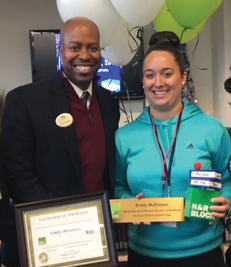
    BLYTHEWOOD – Muller Road Middle School’s physical education teacher, Emily McElveen, center, has been named the December Rookie Teacher of the Block for Richland School District Two. “Ms. McElveen models the positive character traits she expects for her students in and out of the classroom,” Muller Road Principal Sean Bishton said. “Students want to do well because they know she is expecting them to, and they do not want to let her down.” The award is being presented by H&R Block representative Joe Carraway and Dr. Sophia Cornish.

  • Beacons of Light

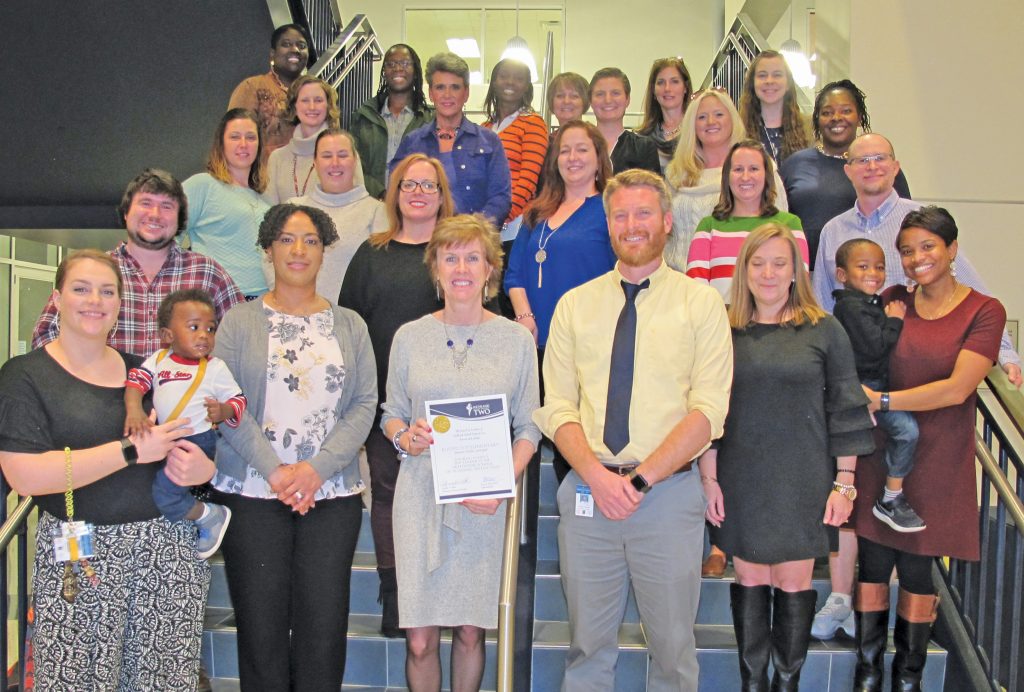
    BLYTHEWOOD – After earning the ‘Leader in Me Lighthouse School’ designation, Round Top Elementary has gone on to achieve ‘Leader in Me Lighthouse School of Academic Distinction.’ Of the 4000 schools that have adopted Leader in Me, only about 300 have achieved Lighthouse certification.  That achievement is earned in several ways such as showing exemplary academic growth or proficiency as measured by state accountability standards. Round Top Elementary ranks in the 97.1 percentile in the state.

    Representation Round Top Elementary at a recent school board meeting where they were honored are, front row: Sam Frierson, left, (holding Micah Sumpter), Clarissa Bennett, Jeaneen Tucker (Principal), Brandon Schirmer, Tami Covert, December Sumpter (holding Mark). Second row: Brett Frye, left, Nichole Timmerman. Third row: Missi Paschoal, Tania Johnson, Jessica Bennett, Nikki Dennis, Greg Lewis. Fourth row: Heather High, right, Susan Neal, Ashby Sanders, Ramonica Pendarvis. Fifth row, left:  Robin Cleckley, Nekita Marlin, Dawn Ray, Mary Kay Herrera, Shaina Manuel, Cheryl Beacham, Caroline Shaver.

  • Good Job!

    BLYTHEWOOD – The Blythewood High School drama team was recognized at the Richland Two School Board meeting Tuesday, Jan. 8, for being named one of the two top state winners in the SC Theater competition in November. The students will next compete in the Southeastern Theater Conference competition in Knoxville, TN. From left (back row): BHS Adminstrator David Coyne, Jesse Elliott, Kira Chiles, Ellie Feuerstein, board member Monica Elkins-Johnson, Marvin Jacobs, Jenna Kiser, Jacob Rubino, Jerry Windhorn and Audrey Winstead. Front row: Isabella Butler, Jennifer Warner, Em Estebanez, Anne Heiler, Kaycee Dial, Lily Campbell, Sophie Pirich, Matthew Kerr and teacher/director Sandra Dietel. Not pictured is  Sofia Lynch.

  • BHS teacher selected for European program

    Auspelmyer

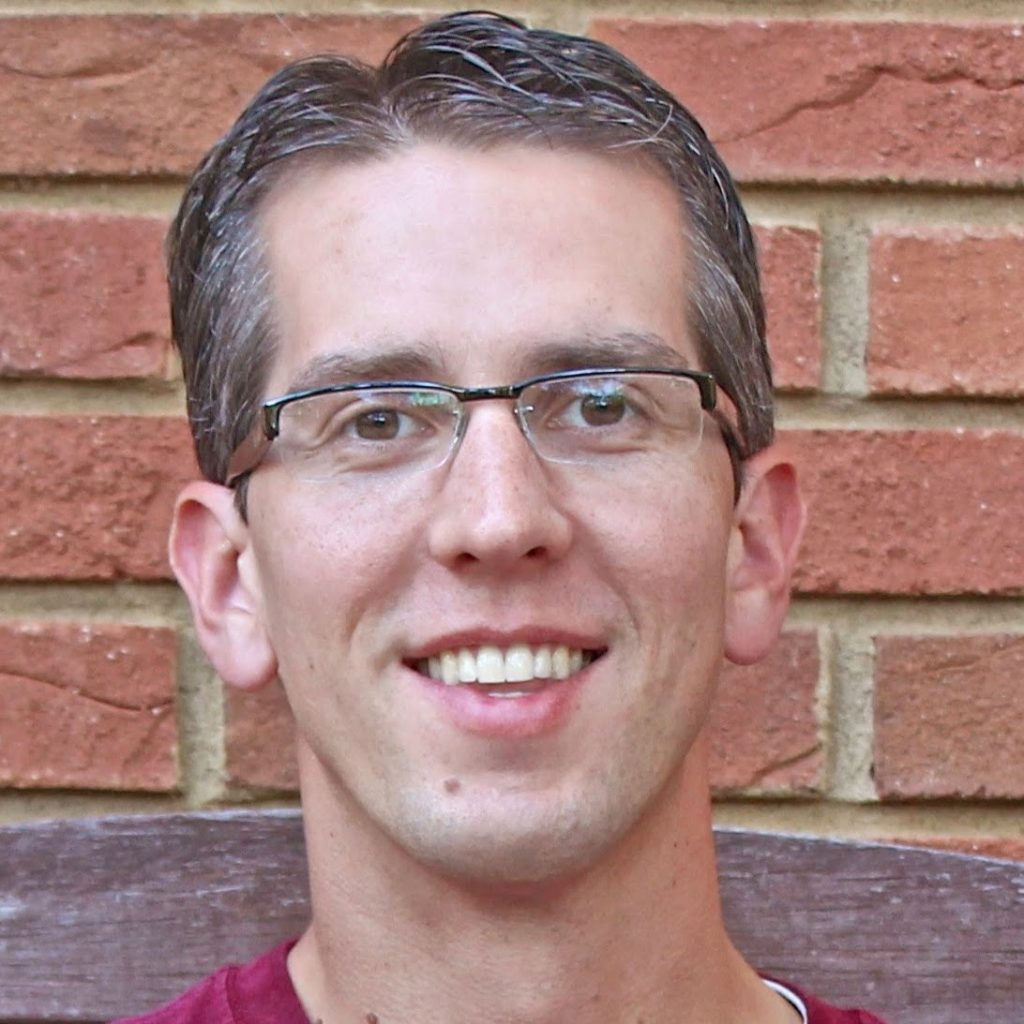
    WASHINGTON, D.C. – Blythewood High School teacher Scott Auspelmyer is one of 18 educators from across America who have been selected to participate in Memorializing the Fallen — a teacher professional development program that will take place in Europe in June.  Sponsored by the U.S. World War I Centennial Commission and the Pritzker Military Museum and Library, the program takes educators to rediscover the history of World War I to invigorate its teaching in America’s classrooms. The trip will culminate with the teachers attending the 100th anniversary of the signing of the Treaty of Versailles (end of World War I) at the Palace of Versailles.

  • R2 ethics flap prompts call for resignations

    McKie’s Ethics Fine Increases to $51K+
    R2 parent Rhonda Meisner, left, addresses Board Chair Amelia McKie and calls for her resignation. | Michael Smith

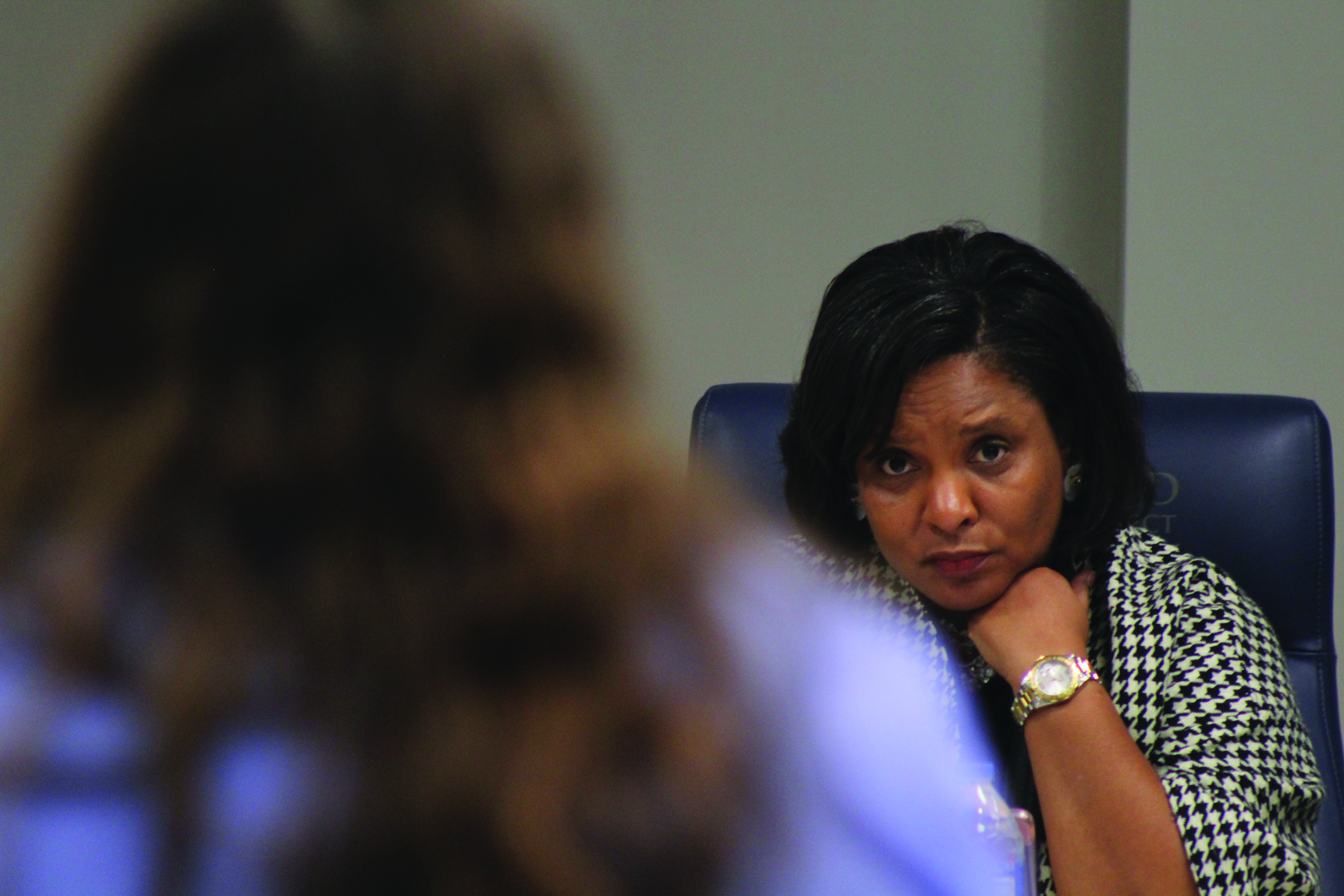
    BLYTHEWOOD – Amelia McKie didn’t respond to a public call for her resignation Tuesday in the first Richland Two school board meeting of the year amid mounting ethics fines for the board chair.

    After missing a recent payment deadline, McKie now owes nearly $52,000 to the South Carolina Ethics Commission, an agency spokesperson confirmed last week.

    In July 2018, the commission fined McKie $41,000 as part of an eight-count complaint that said she failed to file quarterly campaign disclosure reports.

    McKie was ordered to pay the first $20,000 by New Year’s Eve. She missed that deadline, meaning the total fine increases to $51,750, according to the complaint.

    “No payments were made prior to Dec. 31, 2018 and the fine amount for that particular order reverts as outlined in the order,” an ethics commission representative said via email.

    Richland Two parent Rhonda Meisner called for McKie’s resignation while speaking during the second public comment period at Tuesday night’s meeting.

    “I would respectfully request that you resign from the school board,” Meisner said from the lectern. “I think that as a person you’re a very nice person, you’re very sweet, but unfortunately you put the community at risk in my opinion.”

    Meisner pointed to state law, which says candidates who’ve not filed Statements of Economic Interest, or SEI, forms cannot be legally seated until they do.

    Section 8-13-1110 of state law says no public official “may take the oath of office or enter upon his official responsibilities” unless an SEI form is filed.

    State law also says SEI forms must be filed by March 30 each year.

    Board members with previously unfiled SEI forms include James Shadd III, Teresa Holmes and McKie. All have since filed SEI reports following investigative reports by The Voice.

    Holmes and McKie filed their missing SEI forms shortly after The Voice contacted them on Dec. 4, according to the ethics commission’s online database. Shadd III filed his 2017 and 2018 forms on Jan. 7, 2019.

    Meisner said any recent past votes taken by those board members should be invalidated because SEI forms hadn’t been filed when they were sworn in.

    “There are others of you on the board that are in the same situation,” she said. “I would ask that you look at your situation and resign.”

    Board members respond

    Board member Lindsay Agostini, during comments by board members, said, “My integrity and my character are very important to me.” She noted that The Voice’s investigation made it clear that she and James Manning were the only two sitting board members who had filed all their eithics forms on time. Agostini ended her comment saying, “A premier district deserves a premier board.”

    Other Richland Two board members didn’t directly address Meisner’s comments or missing ethics filings listed in public records during the business portion of Tuesday’s meeting.

    However, several made veiled comments from the dais amid the ethics filing fallout. At least two made references to “special interest” groups or attempts to “undermine the district.”

    In a prepared statement, McKie thanked teachers and district staff, encouraging them to “stay the course regardless of the slings and arrows that come your way.”

    “We don’t need to let side things distract us,” board member Teresa Holmes said. “We’re here for the business of educating children. That’s what I’m here for.”

    After the meeting, Holmes declined to comment on McKie or Meisner’s call for board member resignations. She did, however, address what happened with her own 2018 SEI form.

    “I’m brand new to this, I had no idea,” Holmes said. “I’m glad that you actually did the story. Nobody tells you these things when you’re running.”

    Holmes’ 2019 SEI form has already been filed, according to the ethics commission website.

    Others, including board members Monica Elkins-Johnson and Cheryl Caution-Parker, had previously missing quarterly campaign reports. Those reports were filed in December, ethics filings state.

    McKie’s ethics record, though, has the most gaps.

    As of Wednesday morning, McKie still hadn’t filed a campaign disclosure report since here last one in January 2015, according to the ethics commission database.

    An investigation by The Voice also found inconsistencies in her SEI and lobbyist forms, which listed different amounts of income in 2015 and 2016.

    McKie said she soon plans to issue a statement addressing the ethics filings.

    “I’ve been working with the ethics commission to clear up some things that haven’t been accurate, and I’m going to issue a press release about that,” she said.

    If McKie’s fines go unpaid and unresolved, the ethics commission has strategies it can employ to collect.

    In 2015, the commission partnered with the S.C. Department of Revenue to increase ethics debt collection efforts through the DOR’s Setoff Debt Governmental Enterprise Accounts Receivable, or GEAR, collection programs.

    Debtors who have reached “bad debt status” are referred to the Department of Revenue, according to the Ethics Commission website.

    The Department of Revenue is authorized to garnish wages and tax refunds, or also impose liens to satisfy debts.

    Richland 2 board members are responsible for a $273.9 million annual budget.

    In 2017, school district millage accounted for more than two-thirds of a typical Richland 2 property tax bill, according to a report by the S.C. Association of Counties.