Category: Government

  • ‘On the Table’ Breakfast with the Mayor

    BLYTHEWOOD – Mayor J. Michael Ross is inviting members of the Blythewood community to an On the Table breakfast at Lizard’s Thicket Oct. 24 at 8 a.m.

    “The occasion is a one-day opportunity to build personal connections and explore how we can work together to make our community stronger,” Ross said.

    Those who participate in the breakfast are then invited to complete a short email survey about the conversations they had at the breakfast that cover important issues.  A report highlighting the survey response will be issued by the Community Foundation, which is committed to bringing people together to create a more generous, vibrant and engaged community, Ross said.

    Seating is limited.  If interested in attending, call Town Hall at 754-0501 by Oct. 19.

  • Candidates for County Council map out plans

    WINNSBORO – Winding down to Nov. 6, six Fairfield County candidates aren’t worried about the outcome of their races. Norma Branham (County Treasurer), Judge Pam Renwick (County Probate), Peggy Hensley (County Auditor), Henry Miller (School Board Dist. 3), Carl E. Jackson, Jr. (School Board Dist. 5) and Eric F. Cathcart (Soil & Water Conservation Dist. Commission) are running unopposed.

    But 15 other candidates are in the hunt, and their campaign signs are popping up in yards and along roadways.

    Here are the seats that are up for grabs.

    COUNTY COUNCIL

    District 1

    Dan Ruff

    Incumbent Dan Ruff, 61, is running for his second term representing District 1.

    I came in to office in 2014 with the stated goal of helping to bring honesty, openness and accountability to the county government.

    I think this council has done that and more. We transitioned the county’s struggling health care system to a state of the art emergency room facility that will open the end of this year while maintaining the county’s rehab service; completed critical water and sewer infrastructure for economic development and job creation and created a joint water authority between the county and the Town of Winnsboro.

    Representing Ridgeway, I have worked to help council accomplish the following:

    Constructed and opened a new Ridgeway Fire Station

    Partnered with Ridgeway Town Council to obtain state grant money to improve the sidewalks

    Provide road and site work for Ridgeway’s new water tank project

    Saved Town of Ridgeway money by providing site work and equipment for installation of new town park playground equipment

    Renovated a building in Ridgeway for a temporary library as a permanent library is being planned for the town

    Approved a new recreation center for Ridgeway that will be constructed in 2019

    Good things are coming to Fairfield County. One of our greatest accomplishments was to put in place a county administrator, Jason Taylor, who has the vision, I believe, to bring the county to its full potential.

    Mr. Taylor has focused on reorganizing a number of the county’s departments to make them more efficient and provide better services to our citizens. We are focusing heavily on jobs and economic development.

    We have improved the working relationship between the county and the towns, and we are reaching out to assist our towns with grants and projects that will benefit us all.

    I am a lifelong resident of Ridgeway and have served 40 years as a deacon and Sunday school teacher at Aimwell Presbyterian Church. I have served on the Ridgeway Town Council, the economic development board and other town and county committees. I have served as a volunteer firefighter and have always stood ready to serve and support Ridgeway in any way that I can.

    I am married to Brenda, and I have a son, Daniel. I own and operate the Ruff & Company.

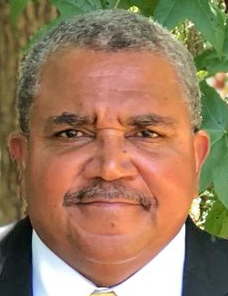
    Moses Bell

    Moses Bell, 64, is challenging Councilman Dan Ruff for the District 1 seat. 

    I have lived in District 1 of Fairfield County all my life.  I am married to Ruby Bracey Bell of Camden SC for over 43 years.  I am active in the community, chairman of the Deacon’s Ministry at Mount Olive Baptist Church in Ridgeway, adult Sunday school teacher, volunteer firefighter and over 30 years of management experience that includes certification as a Six Sigma Black and Lean Manufacturing Project Leader.

    I have served on many Fairfield County Boards and Commissions to include chairman of the Fairfield County Rural Fire Board, the Planning & Zoning Commission, the Strategic Planning Commission for the County and many advisory positions.  I served as chairman of the Sheriff Success Academy under Sheriff Herman Young who worked with under privileged youth and volunteered at Manning Correctional Institution teaching religious manhood classes and expectations.

    I want to seek opportunities for our citizens, who deserve a better Fairfield.  If elected, my focus will be on the following:  Infrastructure improvements of water, sewage and high-speed internet; Industry recruitment…jobs; resources and facilities for senior and youth recreation; resources for paid firefighters and incentives that enable growth of volunteerism; Improve efficiency of county government resources; fully transparent county government and I will work with the communities to seek input into building a better Fairfield County. I also hope to work with others to bring to Fairfield County free technical education as in 34 other counties/school districts in SC.

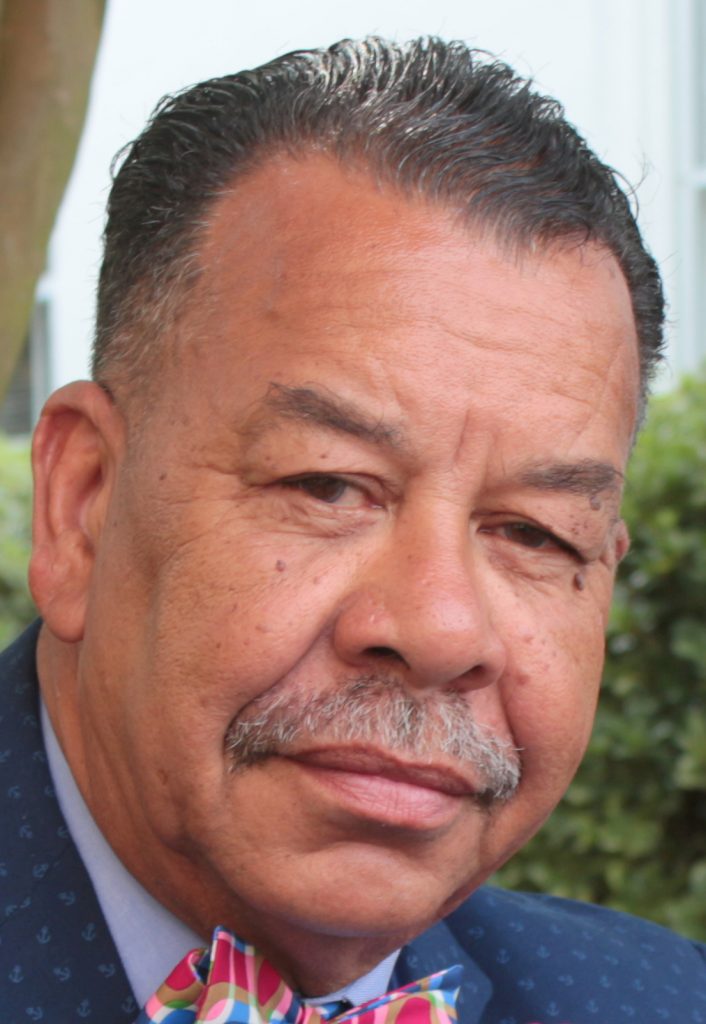
    Mikel Trapp, Sr.

    District 3

    Incumbent Mikel Trapp, Sr. is seeking a full term after winning his current seat two years ago when the District 3 Councilman Colonel Walter Stewart resigned for health reasons. Trapp also served two terms prior to being defeated by Stewart in 2014. Trapp did not submit information about his candidacy.

    Peggy Swearingen, 64, is challenging Councilman Mikel Trapp for the District 3 seat for the second time in two years.

    Peggy Swearingen

    I am running for this seat because I feel that Fairfield County needs someone from District 3 who will speak up and help the other district representatives on our current council in the progress they have made to reign in some of this excessive spending that my opponent helped incur under the previous administration.  He voted for and supported the previous county council’s $24 million bond (that we are paying $43 million for). Because of that bond, our county is now so in debt that we can no longer borrow money. Six of our seven current council members (Bertha Goins, Dan Ruff, Jimmy Ray Douglas, Neil Robinson, Douglas Pauley and Billy Smith) are a team whose votes and support have made drastic changes, giving our taxpayers hope that they will be able to survive and thrive. But my opponent for the District 3 seat, voted for that bond.

    We need a full team on council who will continue to work for fiscal responsibility and attract jobs for our citizens. We need better fire protection, better police protection and better EMS coverage for our residents.

    Douglas Pauley

    District 5

    Incumbent Douglas Pauley is seeking re-election after being elected to a partial term when Councilman Marion Robinson resigned due to health reasons. Councilman Pauley did not did not submit information about his candidacy.

    Matthew Seibles is a newcomer to the political arena.

    I have two main concerns that influenced me to run for council – jobs and recreation. I am concerned about why, when we bring in jobs, we can’t keep them.  I also think it would benefit the county to have a recreation complex for tournaments and regional and district games. I played ball here in this county when I was young and on up till adulthood. My kids played ball here and now my grandkids are playing ball here. I’ve coached football, baseball and basketball. Sports are good for kids and I think the County would benefit from having a really nice sports complex.

    Matthew Seibles

    I have served on the county’s recreation board, and I am a member and head Deacon at Faith Christian Church. I was employed by the school district for 30 years.

    District 7

    With Council Chairman Billy Smith stepping down from the District 7 seat on Dec. 31 as he prepares to move to Baton Rouge, LA, three candidates are hoping to take his place.

    Lisa Brandenburg

    Lisa Brandenburg, 55, ran unsuccessfully last winter for a seat on the Fairfield County School Board. She has now set her sights on County Council. 

    After much prayerful consideration and reflection, I have announced my candidacy for Fairfield County Council, District 7. I am a native resident of Fairfield County and have dedicated the past 30+ years to serving this community. I am a graduate of Winnsboro High School and Winthrop College, where I earned both my bachelor’s and master’s degrees in education and administration/supervision. I am married to David Brandenburg, Sr. We have two grown children, David and Dori, who each have shown their own dedication to making our county a better place.

    For the past five years I have been an active participant at County Council meetings and also attended all Strategic Planning Sessions. I understand the unique needs and challenges facing Fairfield County. I am dedicated to supporting economic development, protecting the environment, producing fair and focused plans, protecting tax dollars and strengthening Fairfield County rather than further dividing it.

    Jana Childers

    Jana Childers, 48, is a first time candidate for public office.

    I don’t have a college degree or any background in politics. I am a concerned mom with a passion to make this county a better place for all our citizens.

    I am a Navy Veteran and have lived in Winnsboro for over 20 years. I am married to Chris Childers, mom of 6, stepmom to 1, and Memaw to 4. I work in the S.C. Highway Patrol state headquarters and am a member of the First Baptist Church in Winnsboro.

    I look forward to meeting the residents in District 7 and I vow to work diligently to make Fairfield County a place we are proud to call home.

    Clarence Gilbert

    Clarence Gilbert, 58, a lifelong resident of Fairfield County, says he has never run for political office, but has always been active in the community.

    I have served on several boards including the Behavioral Health Substance Abuse Board. I am a former corporate regional sales director, serve as a Deacon at St. Mark Baptist Church in Simpson where I also serve as chairman of the stewardship ministry and I am a founding father of the Brotherhood Ministry. I also sing in the Brotherhood Choir.

    It’s time for the citizens of this county to put aside our differences and come together to find ways to make our county better for everyone. I don’t have all the answers, but those who know me know that I am honest, will speak up for the betterment of this county and will use a common-sense approach to getting things done. I will not make promises I can’t keep and I will not jump on board because everyone else is going along with it. I will get the facts and make sound decisions. I am particularly concerned about economic development for this county, jobs, recreation, improvements in the county’s water and sewer infrastructure and beneficial relationships between our towns and our county government.

    I have owned my own landscaping and lawn service for 18 years. I am married to Deloris and we have two adult sons and four grandchildren.


  • Council votes 5-2 to renovate Mt. Zion for Administration Building

    WINNSBORO  – It wasn’t quite as dramatic as the Brett Kavanaugh hearings, but there still was plenty of suspense at Monday night’s Fairfield County Council meeting.

    Council members gave final reading to an ordinance authorizing the county to move forward with an $11.5 million plan to build a new government center at the site of the former Mt. Zion Institute.

    Though the announced vote was 5-2, Councilman Cornelius Robinson said after the meeting that he abstained (an abstention is recorded as a yes vote according to the Council’s bylaws).

    “I believe in this project but I couldn’t convince many of my constituents that it was good thing for the county. Rather than vote no I abstained,” Robinson said.

    Council members Douglas Pauley and Mikel Trapp voted against the ordinance.

    Trapp didn’t comment on the Mt. Zion project from the dais.

    Pauley, one of two holdouts during first and second reading, said he previously abstained so he could gather more information. He expressed concerns about cost.

    “Fairfield County is in possession of 80 or more county maintained buildings,” he said. “Adding one more to it would definitely add more cost to the county.”

    Councilman Dan Ruff, the other council member who previously abstained, said he remained undecided as recently as Monday morning.

    Ruff said he had concerns about traffic and a monument on the property, but ultimately voted yes, saying he didn’t see a better plan to remediate the woes with the County’s current government building. He also thinks it’ll be an economic boost to Winnsboro.

    “This has been a very, very tough decision for me,” Ruff said. “This morning I was still very uncertain, back and forth. This to me isn’t ideal, but I haven’t seen a better solution”

    The proposal calls for repurposing the Mt. Zion campus into a new government complex. More than half of the funding would come from state and federal tax credits associated with the property.

    Once complete, the new complex would be more than double the size of the existing admin building, encompassing nearly 45,000 square feet.

    No plans have been announced for what would become of the existing county building.

    Ten people signed up to speak specifically about Mt. Zion during public input time Monday night, with a majority of those speaking supportively and urging the council to vote yes.

    Claudia Cathcart, the first person to speak, noted that Fairfield County has been struggling to keep jobs.

    Council members supporting the repurposing of Mt. Zion have said plans for the new government complex could help increase foot traffic in downtown Winnsboro, and help offset losses after the recent closure of Walmart, as well as the failed nuclear project at V.C. Summer.

    Element recently announced it would cut more than 100 jobs, citing Trump administration tariffs, before reconsidering, adding further uncertainty in Fairfield County.

    “We’ve had some bad luck in the county,” Cathcart said. “Now is the chance to overcome some bad thoughts. Please vote yes for this project.”

    Also supporting the Mt. Zion proposal was Joan Cumbee.

    “This is the least expensive and most energy efficient option,” Cumbee said. “It is the only option that will not require a tax increase to do needed repair work.

    “The claim that all neighbors are opposed is not true,” she added. “I live in the neighborhood and nobody asked my opinion.”

    Winnsboro resident Susan Taylor touted economic benefits the project would bring.

    “This is a plan that our county can afford,” Taylor said. “It’s the only plan that our county can afford. I believe that the refurbishment of these buildings would bring property values up.”

    Not all supported the plan, however.

    Dr. Marie Rosborough, a frequent critic of the Mt. Zion plan, once again voiced her opposition.

    “Your budget has increased $13 million over the past three years,” Rosborough said. “That concerns me. Exactly how did you come up with these figures? So many people support your effort if you don’t live next door.”

    In the end, however, council members approved third reading following a discussion in executive session.

    Right before the vote, Council Chairman Billy Smith, who has pushed in favor of the project since its first proposal, took note of the considerable dialogue the Mt. Zion plan has received.

    “That’s the most involvement I’ve seen us have on any issue,” he said, adding, “I hope the involvement continues.” Reached after the meeting for comment on the proposal’s advancement, Smith said, “I’m glad council had the vision to take advantage of such a rare opportunity as this. I think it gives us a shot at revitalizing Winnsboro and making the first step of turning things around. There’s risk in everything that ends up good and I acknowledge that, but if this is successful, in two years, we’ll look back and know we made the right decision. Then in 10 years, we’ll be known across the state for it as a model for others to follow.”

  • Council removes Cappadona from PC

    BLYTHEWOOD – Mayor J. Michael Ross called a special meeting of the Blythewood Town Council Monday night for ‘Consideration of removal of a Planning Commissioner.’

    Ross said he had learned that Commissioner Robert Cappadona no longer lives in the town.

    Cappadona

    “According to the municipal planning commission chapter 150 of the SC code of ordinances, sec. 150.03 states that all candidates applying to the commission shall be electors that reside in the Town,” Ross said.

    To comply with the statute, council voted 5-0 during the 10-minute meeting to remove Cappadona from the Commission.

    Cappadona, who has served approximately 10 years on the commission, remains on the Blythewood Facilities Board, according to Ross. The Facilities Board’s members which include Columbia Mayor Stephen Benjamin, were responsible for signing off on the $5 million bond that was levied to build the Doko Park facilities. Those board members also recently signed off on the bond’s refinancing. Cappadona previously served on the Town’s economic development board which is now disbanded.

    Cappadona was the focus of discussion last month when his absence was blamed for the commission not having a quorum for consideration of a Hilton Hotel Home 2 Suites.

    While four of the seven Commission members were absent, Cappadona had confirmed with the town clerk that he would be present. The other three had confirmed they would not be attending and were not expected.

    The meeting was delayed for half an hour while the commission chairman and town clerk tried to reach Cappadona. Without his presence, the commission’s business could not be conducted. When Cappadona did not answer or respond to the calls, the meeting was cancelled.

    At that meeting, representatives for Hilton Hotel’s Home 2 Suites had made trips to Blythewood from Atlanta and Seneca to resolve commissioners’ questions from the August commission meeting concerning traffic access to a 1.93 acre site where representatives of the hotel chain are requesting to build a four-story, 88-bed hotel building adjacent to I-77 and behind San Jose’s restaurant.

    Following that meeting Ross released a list of all members of the town’s boards and commissions and their attendance records.

    Cappadona and several others had missed more than half their meetings this year.

    “In an effort to update the Town’s records, we sent all commissioners emails asking for their current addresses and other contact information,” Ross said. “Mr. Cappadona did not respond, but later he did and he gave us the address of 1107 Rushing Road. That is not in the Town of Blythewood,” Ross said.

    Ross added that Cappadona had not resigned as of Monday night.

    “So we are going to vote for Mr. Cappadona’s removal from the planning commission since he does not live in the town limits,” Ross said.

    Following the vote, Ross asked Town Administrator Brian Cook to attend the Planning Commission meeting which was to follow the Town Council meeting, to inform Mr. Cappadona, if he should attend, that he cannot vote or even take part in the meeting as a commissioner.

    “He has been removed,” Ross said.

  • PC, BAR approve COA for hotel

    Hilton Home 2 Suites coming to Blythewood.

    BLYTHEWOOD – Third time was the charm for representatives of the Hilton Home 2 Suites who appeared before the Planning Commission Monday night requesting approval of a site plan for a four-story, 88-bed hotel they hope to construct on a 1.93 acre lot between I-77 and San Jose’s restaurant.

    While serious concern was expressed by commissioners about the hotel’s lack of a direct access to Creech Road and the traffic impact the hotel would generate in an already traffic-challenged intersection at Creech and Blythewood Roads, the plan was approved 4 – 1 with Commissioner Marcus Taylor voting against.

    Ed Parler, Blythewood’s economic development consultant, spoke up for the project saying it fits with the overall plan for the town.

    “The hotel is the highest and best use for this piece of property,” Parler said. “There are no property taxes [in Blythewood], so bringing hospitality taxes, accommodation and sales taxes and state share value revenue means it will be the highest economic benefit for Blythewood.”

    Parler further cited the traffic study that was initially requested by the Planning Commission and initiated by engineer Roger Dyar on behalf of Carter Engineering, as of low significance.

    Based on the review of the site and Dyar’s analysis, he concluded that: the site will produce 496 additional trips per day; that the overall effects on the peak hour traffic flow would be minimal and that traffic flow should be acceptable at the proposed access point onto Creech Road.  At this location, all exiting traffic will make a right turn and then make a u-turn at some point to the south on Creech Road.

    The study also recommended that a triangular island be constructed at the access point onto Creech Road to force all exits to be right turns.

    Dyar said the details of this design will be handled by the site civil engineer and will need to comply with SCDOT Access and Roadside Management Standards and Highway Design Manual standards.

    “I think Paragon [the hotel’s parent company] has done everything they could to make the intersection as good as they can,” civil engineer Jeff Carter of Georgia-based Carter Engineering Consultants said.

    Tome Morgan, the project architect, said he expects construction to take 9 to 14 months.

    Paragon hotel company owner Ricky Patel said the hotel will create 16 full time jobs and six part time jobs.

    Immediately following the Planning Commission meeting, the Blythewood Architectural Board (BAR) met to consider a request from the hotel’s representatives for a Certificate of Appropriateness.

    Morgan displayed the elevation plans for the project and discussed material selections with the Board.

    Morgan said the two prototype renderings of a modern design that Home 2 used elsewhere are stark and use hardy board architecture.

    “I did not think they would be well received in a place like Blythewood where citizens care about architecture,” Morgan said. “Instead, we have designed a building covered with Cherokee moss town brick with a pewter colored mortar, hardy board and hardy shake shingles with dark bronze colored metal around the windows,” Morgan explained. “The rich colors create a three-tier approach as opposed to the modern look.”

    A feature that seemed to please the commission is a fence between the hotel and the interstate made with brick columns and wrought iron connecting sections.

    While Blythewood’s architectural advisor Ralph Walden said the building was well designed with nice features and more interest than the two neighboring buildings, he suggested replacing the hardy plank shakes with a darker brick than the moss town brick.

    The motion to approve a COA with changing the hardy shakes to a darker accent brink and to bring the brick up to the top of the first floor passed unanimously.

    Town Administrator Brian Cook explained that the approval would be conditioned by staff approval of a final landscaping plan and any required engineering specifics, the inclusion of a fence along the I-77 ramp and Blythewood Road, signage options and by subsequent approval of SCDOT, SCDHEC and Richland County, water/sewer provider and any other applicable reviewing entity.

  • Admin details aired in forum

    WINNSBORO – If people left a recent Mt. Zion Institute forum with reservations, it wasn’t due to a lack of information about the proposed project.

    Fairfield County Council members, staff and the developer spent two hours Thursday evening addressing residents’ questions about the project during a forum at Midlands Tech-Fairfield Campus.

    If built, the $11.5 million project would repurpose the Mt. Zion property into a new county administration building. It would stand three stories tall and span 45,000 square feet, more than double the current 21,000-square-foot structure. The total cost to the county would be about $8 million over seven years.

    “We’d like this to be the first of many revitalization efforts in Winnsboro and Fairfield County,” said Rory Dowling with 1st & Main, a Raleigh, North Carolina firm working with the county on the project.

    If approved, construction could start as soon as April 2019 and be completed by summer 2020.

    “I think it’s going to be a fantastic asset once it’s completed,” Dowling said. “We hope to have this agreement in place shortly.”

    Earlier this month, council voted to approve second read ing of the project following an executive session discussion.

    “If you really and truly want growth, there’s going to be changes. Folks say they want it, but some of them pull back on it a little bit,” said Council Chairman Billy Smith. “You’ve got to have a little vision to make it grow; things don’t happen on their own.”

    Sixty-four questions – all submitted by only 12 people – were answered at Thursday night’s forum.

    An informal drop-in meeting, which included renderings of the proposed project, preceded the forum.

    One by one, county staff drew citizen questions from a fish bowl. Questions ranged from the cost of renovating the existing county building to what will happen to it if a new building is constructed.

    In response to one question, Dowling pledged that 1st & Main wouldn’t build multi-family housing on the site should the county building project fall through.

    County leaders said a deed restriction prohibiting multi-family housing could be built into the contract. The property itself isn’t zoned for that, either.

    “Our zoning doesn’t allow for it to be used for multi-family and we would never use it for that,” County Administrator Jason Taylor said. “Our only use would be as an administration building.”

    Council members, some of whom have remained silent about Mt. Zion, spoke up at Thursday’s meeting.

    Councilman Cornelius Robinson expressed concerns about the fate of a monument at the Mt. Zion property, but also voiced optimism for the project’s potential.

    “It would just add value to the neighborhood,” Robinson said, comparing the project’s potential to a similar one that helped revitalize Greer.

    Councilman Dan Ruff, who’s abstained from previous votes while searching for more information, said he’s also interested in the monument.

    “I would like to address this in some form,” he said.

    Ruff and other council members said there’s no Plan B for the property if an administration building isn’t built there.

    “If we can’t make this happen, nothing is ever going to happen on that property, so you might as well tear it down,” Ruff said. “Folks need to consider that as well, what might happen after demolition.”

    A big point of discussion revolved around money.

    Responding to a question about alternate options, County Administrator Jason Taylor said renovating the existing administration building would be north of $8.5 million.

    About half of the cost would come from housing county staff at a temporary facility during renovations. It would also cost several hundred thousand dollars in additional taxpayer money to solicit bids, county officials said.

    Although Mt. Zion would appear more costly at $11.5 million, a majority of that amount would be paid for with tax credits. The remaining $3 million to $4 million would come from lease payments stretched out seven years.

    “We’re essentially getting an $11-$12 million dollar project for $8 million,” Taylor said.

    Council members fielded several questions about the potential of default, either by the county or 1st & Main. Smith said the larger issue would be the cost of inaction.

    “I don’t think default is an option. The biggest problem isn’t what’s going to happen to this property, it’s where in the heck are these people going to work?” Smith said. “I don’t think they want to work on the street. I don’t care if we have one employee, they have to have a place to work.”

    Council discussed finalizing the project in executive session Monday night during the council meeting, but the third and final vote isn’t expected for at least another two weeks.

  • Doko Depot sale held up by deed issue

    BLYTHEWOOD – After a year of planning, a year of construction, a year of searching for and finding a buyer, the Town of Blythewood has spent almost another year waiting to close the sale of the Doko Depot. And the wait is not over.

    Mayor J. Michael Ross announced at Monday night’s Town Council meeting that further delays are expected in the closing of the Town of Blythewood’s contract for the sale of the property.

    The sale has been plagued with delays since shortly after the contract was signed in January. The latest delay is the result of discovering defects in title in some of the land the Depot sits on.

    Ross said those defects related to the donation of the property to the Town years earlier.

    “We are in the process of remedying those issues,” Ross told The Voice in August.

    A portion of the land under contract was originally conveyed to the Blythewood Volunteer Fire Department by Charles W. Proctor in 1971, Ross said. In his deed, Proctor reserved a reversion of title if the property ceased to be used for fire department or other community uses.

    The same parcel was conveyed to the Town after the volunteer service was discontinued but it was still subject to the reservation by Proctor. Proctor passed away in 1976 leaving no children. His wife died shortly thereafter.

    Not knowing about the title issue at the time, Council voted last December to authorize Ross to sign a sales contract with Columbia realtor Wheeler & Wheeler to purchase the property. Last April, Don Russo told The Voice that his company, Freeway Music, was negotiating a contract to lease part of the building from Wheeler & Wheeler who was in the process of purchasing the building from the Town.

    It was also announced that a popular Lexington restaurant is planning to lease the other part of the building.

    Ross said Council learned that the Town’s sale of the former Proctor land (to Wheeler & Wheeler) for uses unrelated to fire department or other community use could cause a reversion in title.

    To keep from jeopardizing the closing while the legalities are being worked out to prevent a reversion of title, Council passed a resolution Monday evening approving the extension of inspection periods for the contract of purchase and sale of the Doko Depot property and authorizing the mayor to execute contract documents pertaining to such extensions.

    Ross said the resolution is provided as a procedural step towards a final closing on the Doko Depot property.

    “I don’t expect this last delay to last more than 60 to 90 days and then, I hope, we can close the deal,” Ross told The Voice following Monday night’s meeting.

  • Harrison’s criticism of council mailings backfires

    RIDGEWAY – During last week’s town council meeting, which amounted to little more than ‘he-said she-said,’ Councilwoman Angela Harrison, who had not attended the last three town council meetings, complained that someone had made public a letter of complaint written to town hall by Dr. Roberta Howard, Assistant Principal of Geiger Elementary School. Harrison said she was sure it was a council member who had made the letter public and that a citizen had then forwarded Howard’s letter to Fairfield County School Superintendent J. R. Green, complaining that Howard had written the letter.

    While Harrison offered no proof that any of the council members had made the letter public, correspondence to the town government from citizens is generally public information and can be obtained by any citizen or the media with either a verbal re quest or a Freedom of Information request (Sec. 30-4-30 of the Freedom of Information Act).

    Harrison charged that council members send out emails or other correspondence without first sharing a copy with her.

    “So you’re saying you’ve never shared any of these complaints with the public? Councilman Dan Martin asked.

    “Huh?” Harrison asked Martin.

    “You’re saying you never shared any of these emails with the public? Martin repeated.

    “I was just saying that…” Harrison began.

    “I’m asking you,” Martin interrupted, “did you share any of these emails with anyone in the public?

    “Yes” Harrison said. “But did I try to ruin someone’s life by calling Dr. Green to complain about freedom of speech? This is America. This is freedom of speech. We all have a right and none of us should be retaliated against because we’re speaking it. I feel retaliated against because I’m not being afforded the information that’s coming out of this council or from the mayor or anybody else. And people are getting accosted,” Harrison continued.

    “No one should be standing on the porch and be accosted by anybody because they asked a simple question. If you’re telling people to go attack other people, things need to come to a stop. This is America, not Russia,” Harrison said. “You are messing with people’s lives.”

    Harrison claimed she had been accosted, but did not give any details of the incident.

    “So if I’m understanding this, you said you sent out a correspondence without letting council see it first?” Mayor Heath Cookendorfer asked Harrison.

    “Yes, I did,” Harrison said.

    “Who did you share it with,” Cookendorfer asked.

    “The NAACP,” Harrison answered.

    “That is the only one you shared information with?” Cookendorfer asked.

    “Yes, that I’m aware of,” Harrison said.

    Martin picked up a paper from his desk.

    “I was given this the other day,” Martin said. “You posted on social media that you had forwarded an email to WLTX,” Martin said, and read from what he said was a copy of Harrison’s Facebook post: ’This is a sad day for Ridgeway. There definitely needs to be an investigation [in]to all the ‘mistakes’ in our system and all the complaints against employees that are ignored. The emails keep coming…’”

    “Yep,” Harrison interjected.

    Martin continued reading from Harrison’s post.

    “‘This particular one [email] proves collusion. I stand against conspiracy,’” Martin read.

    “Then you got a response from a citizen that said, ‘So did I. I sent it to all three [TV] stations, SLED and the FBI and more,’” Martin continued as Harrison talked over him.

    “So you shared it [email] with WLTX-TV, the NAACP and our citizens,” Martin said.

    “We can share anything we want.” Harrison said. “So, yeah.”

    “So what I’m hearing is that you want us to provide all the information with you that we send out,” Cookendorfer said to Harrison. “But you say you sent an email to WLTX-TV, the NAACP and a citizen. Did anyone else on council see that document?”

    Harrison pointed out that they now have the information she posted.

    “You want us to provide you with our information,” Cookendorfer repeated, “but you don’t want to provide us with your information.”

    In the end, Harrison agreed that she, too, would provide the town with any correspondence she sent out, saying it would be a joint effort.

    In other business, council disclosed that the Church of Jesus Christ of the Latter Day Saints had scheduled a workday in Ridgeway for April 2019 and wanted suggestions as to where in the town their clean-up services might be best used.

  • Martin: email complaints, praises mostly bogus

    RIDGEWAY – A rancorous Ridgeway Town Council meeting last week was marked by repeated interruptions from Councilwoman Angela Harrison who spent the better part of the meeting chastising other council members for perceived slights, including not sending her every communication that emanated from each council member while she was on an extended summer vacation [July and August], during which she missed three council meetings.

    Mayor Heath Cookendorfer informed Harrison that she could have copies of council’s communications upon request and that the town clerk would provide them to her as time permitted.

    But Harrison wanted more.

    “I want a copy every month of every bank statement for every bank account, including the investment fund,” Harrison fired back. “Under the Freedom of Information Act, I have a right to that.”

    Among her string of criticisms, Harrison questioned whether complaints that council received over the last couple of years against former Ridgeway Police Chief Christopher Culp might have been ‘bogus.’ She asked if council had investigated those complaints.

    The Voice obtained copies of those complaints from town hall through a Freedom of Information request in June and published many of them last summer. Most could be traced to individuals in the community. Some had brought their complaints before before the public at council meetings.

    Councilman Dan Martin said he had looked into an additional group of 41 emails submitted over a very short time, beginning June 19, five days after the June meeting when a motion was made (but not voted on) to terminate Culp, and ending July 26.

    Martin said of those 41 emails, 27 praised Culp and 14 criticized two town employees who, he said, had not had a single complaint in their employee files over the more than 10 years that each had been employed by the town government.

    “Something smelled fishy,” Martin said.

    He said that since the 41 emails contained no phone numbers or addresses for verification he contacted all the writers by return email and invited them to bring their complaints to town hall, Martin said.

    ‘If you do not respond in seven days,’ the email from town hall stated, ‘your email will be considered null and void.’

    “We got one response that stated the writer was too busy to respond,” Martin said.

    Martin said he tried to verify the authenticity of the 41 emails.

    To find the source of each email, Martin said he went to the server for each email received and requested that the password for that email address be texted to the phone number associated with the email. He said he received the last two digits of each phone number associated with the emails.

    ”I received the last two digits of the phone numbers associated with 35 of the emails. Nothing came up for the other six,” Martin said.

    According to Martin, the results of his investigation, based on the last two digits of the phone numbers pointed to only nine phone numbers being associated with the 35 emails.

    He gave the following breakdown of the two digit numbers – 16 phone numbers ended with 35, five ended with 50, four ended with 77, three ended with 29, two ended with 53, two ended with 81, one ended with 90, one ended with 91, and one ended with 96.

    Martin said the coincidence of so many phone numbers ending with the same two digits in such a small sample is mathematically unlikely.

    “It doesn’t make any sense,” Martin said. “As far as I’m concerned, those emails are pretty much all bogus.

    “Going forward,” Martin said after the meeting, “we need to ask that when anyone communicates their complaints, compliments or suggestions to the town hall, that they include their names, addresses and phone numbers so that we can get back to them and properly address the issue,” Martin said.

  • Fairfield cruelty law not updated for 11 years

    WINNSBORO – It’s perfectly legal to abandon hunting dogs in South Carolina.

    It’s also technically legal to kill a dog when it is threatening or causing personal property damage.

    And perhaps most troubling to animal rights advocates, state law doesn’t automatically ban convicted animal abusers from owning pets in the future.

    These deficiencies and others in state and local laws help explain South Carolina’s poor ratings in a pair of national reports that rate how well the state regulates animal cruelty.

    Two reports – one by the Animal Legal Defense Fund and the other by the Humane Society of the United States – rank South Carolina in the bottom tier when it comes to protecting pets.

    Deborah Richelle, former president of the Hoof and Paw Benevolent Society, a Blythewood-based organization that has been lobbying for stronger animal abuse laws, isn’t surprised.

    “We’ve been trying locally for the past four years to get something done about their ordinance, because it is so antiquated,” Richelle said.

    It’s been nearly 11 years since Fairfield County last updated its animal control laws, according to the Fairfield County government website.

    The animal cruelty and abandonment provisions are codified in Ordinance 321, the website states. Enacted in October 2007, the law essentially mirrors state law at the time.

    Animal cruelty provisions are limited to two paragraphs. Four more paragraphs are devoted to animal abandonment.

    For years, Hoof and Paw have been lobbying Fairfield County to update the 2007 law, and are currently working to draft a new one.

    In June, the county presented an early draft of a revised ordinance to the Town of Winnsboro, which dismissed it as excessive. Progress since then has slowed.

    Three months later, the ordinance still hasn’t received a vote

    Council Chairman Billy Smith said his preference remains with increasing enforcement, not legislation, though he does hope some revisions can receive a council vote sometime this fall.

    “I think law enforcement is doing their job,” Smith said. “I just don’t think the follow through has occurred on the prosecutorial level.”

    Smith added that he’s open to toughening laws relating to tethering of animals, but doesn’t support automatic bans on pet ownership for offenders. Nor does he support granting civil immunity to veterinarians who report suspected animal abuse.

    Advocates look to Aiken

    As Fairfield County continues working on its animal control ordinance, Hoof and Paw representatives think the county needs better laws, pointing to communities such as Rock Hill and Aiken as examples.

    Both cities have revamped their animal cruelty laws. Aiken most recently adopted new standards relating to tethering in March, said Tim O’Briant, city spokesman.

    Aiken’s ordinance says animals can only be tethered for a maximum of 13 hours. The tethering cap shrinks to 15 minutes during severe weather.

    The law also includes new regulations regarding animals locked inside motor vehicles during extreme heat or cold.

    “This was added to provide more definable criteria for our Public Safety to have when addressing these situations,” Aiken City Manager Stuart Bedenbaugh said in a memo.

    Kathy Faulk, community outreach director for Hoof and Paw, and a Fairfield County resident, thinks the county should adopt similar regulations, but expressed concern about slow progress.

    “I’ve begun to feel this has landed on deaf ears,” Faulk said. “The sheriff is doing better about bringing charges, but it gets to the solicitor’s office and it’s pled.”

    Recently, Hoof and Paw adopted a list of bullet points it thinks should be incorporated into any revised ordinance.

    Leading the list are tighter restrictions on tethering. Hoof and Paw recommends capping tethering to four hours, which is shorter than the City of Aiken limit, but also matches Aiken County’s law.

    Other wish list items include:

    • Require all dogs and cats to have proof of rabies vaccination and be registered with the county.
    • Greater punishment for animal abuse and neglect
    • Law enforcement and solicitors need to be committed to punishing animal abusers appropriately.

    Richelle, the former Hoof and Paw president, said in the end there must be accountability for offenders.

    “If you know somebody and you’ve done something bad to an animal, nine times out of 10 you can get out of it,” she said.

    Chicken and the egg

    Another reason for the state’s weak animal cruelty laws boils down to ownership of the issue.

    State lawmakers often punt animal cruelty legislation to local governments, viewing the issue as a local matter.

    But local leaders, including Smith, the Fairfield County chairman, think the state should take the lead.

    “I’m trying to take a step forward, but not necessarily a leap or jump,” Smith said. “That would be my preference.”

    Rep. Bill Taylor, R-Aiken, who’s previously filed bills to strengthen animal cruelty laws, said some lawmakers are adamantly opposed to stricter regulations of any kind, including an anti-tethering bill that died in the last session.

    Other legislators, he said, hunt in their private time and view hunting dogs as property instead of companions.

    “They come at it from a different perspective than those who own dogs as pets,” Taylor said. “They tend to look at things differently.”

    “I don’t know the exact source of all the problems with that [tethering] bill, but there were clearly people who didn’t want it to move forward,” Taylor added. “There were people in leadership positions who wanted that bill derailed.”

    Richelle agreed.

    “They just don’t pay attention to us,” she said. “It’s like ‘this is what grandpa did, so we’ll keep doing what grandpa did.’”

    South Carolina’s deference to hunting is evident in the state’s existing animal abandonment law.

    Animal abandonment carries a fine of $200 to $500 and up to 30 days in prison. Fairfield County’s ordinance stipulates that cases must be tried in magistrate court.

    The penalty for animal abandonment doesn’t apply to owners of hunting dogs, however. Hunting dogs are specifically exempt from the statute, which says animals should be provided with adequate food, water and shelter.

    Weak laws and loopholes

    South Carolina cruelty falls under Section 47 of state law and includes three basic offenses – ill treatment of animals (misdemeanor), ill treatment of animals (felony) and animal abandonment.

    But lines are blurred between what distinguishes felonies and misdemeanors.

    Generally speaking, animal cruelty cases resulting in death qualify as felonies. Torture, mutilation or inflicting “unnecessary pain or suffering” are additional conditions listed in the law for felony charges.

    The misdemeanor ill treatment charge is more vague, merely stating that anyone who “overloads, overdrives, overworks, or ill-treats an animal, deprives an animal of necessary sustenance or shelter, or inflicts unnecessary pain or suffering” is guilty of a misdemeanor.

    A felony conviction carries up to five years in prison and a $5,000 fine, though virtually none of the Fairfield County cases reviewed by The Voice since at least 2013 have resulted in the maximum penalty.

    The last known case regionally when a defendant received the maximum penalty was in December 2017, when a Columbia man was convicted of setting a dog on fire in Richland County.

    More loopholes and ambiguities exist elsewhere in state law.

    For example, killing a dog that’s identifiable carries a fine of $500 to $1,000 and between 30 days and six month in prison.

    It’s a stronger penalty than the misdemeanor ill treatment of animals charge, but weaker than the felony.

    Penalties, however, don’t apply “to the killing of a dog threatening to cause or causing personal injury or property damage,” the law states.

    S.C. ranks low in reports

    The Animal Legal Defense Fund’s 2017 report ranked South Carolina 39th among 56 states and U.S. territories surveyed, placing the state in the bottom tier.

    South Carolina ranked 38th in 2016.

    “ALDF’s goals in these ongoing reviews are to continue to shed light on the important issue of animal protection, to compare and contrast the differences and similarities in these jurisdictions and to garner support for strengthening and enforcing animal protection laws throughout this country,” the report states.

    In a separate report by the Humane Society of the United States, South Carolina ranked tied for 43rd with Wyoming, placing both states just outside the bottom five states.

    The Humane Society report did note that in 2017, South Carolina “severely restricted the keeping of big cats, bears, and great apes.” Otherwise, the state’s ranking could have been even lower.

    South Carolina’s lackluster showings are consistent with findings of an investigation by The Voice, which found that virtually none of the 15 cases prosecuted since 2015 ended in jail time for offenders.

    Most cases were either plea bargained, resulting in probation, or dismissed outright, court records show.

    “Perpetrators of the most unthinkable violence against animals deserve more than a slap on the wrist,” Lora Dunn, director of the Animal Legal Defense Fund, stated in a news release. “Sadly, many cruelty cases go undetected, hidden from view.”

    Building better laws

    So what traits exist in strict animal cruelty laws?

    The top five states – Illinois, Oregon, California, Maine and Rhode Island – generally ranked high in the following categories identified by the Animal Legal Defense Fund:

    • Adequate definitions/standards of basic care
    • Increased penalties for repeat offenders
    • Courts may order forfeiture of abused animals
    • Mandatory forfeiture of animals upon conviction
    • Mandatory reporting of suspected cruelty by veterinarians
    • Mental health evaluations/counseling for offenders
    • Broad range of felonies for abandonment, neglect and abuse.

    States that ranked poorly lacked many of these protections.

    Kentucky, which finished dead last in the report, actually prohibits veterinarians from reporting suspected animal abuse.

    Most low ranking states do not mandate the surrender of abused animals, and penalties do not increase for repeat offenders.

    South Carolina does give veterinarians immunity from civil litigation when they provide emergency care to an abused animal. But state law does not grant civil immunity for reporting cases of abuse.

    The state also doesn’t require convicted animal abusers to surrender their animals, though judges can set that condition. And they have.

    In sentencing Billy Ray Huskey, 51, of Great Falls, for dragging a dog with his pickup truck in July 2016, Circuit Judge Brian Gibbons banned Huskey from owning a dog during his probation period.

    A year later, Judge Gibbons issued a similar order against Christopher Pauley of Ridgeway, who was charged with torturing and killing a cat. He was sentenced to 90 days, suspended to three years probation.