Category: Community

  • Fortune Springs pool to open June 11

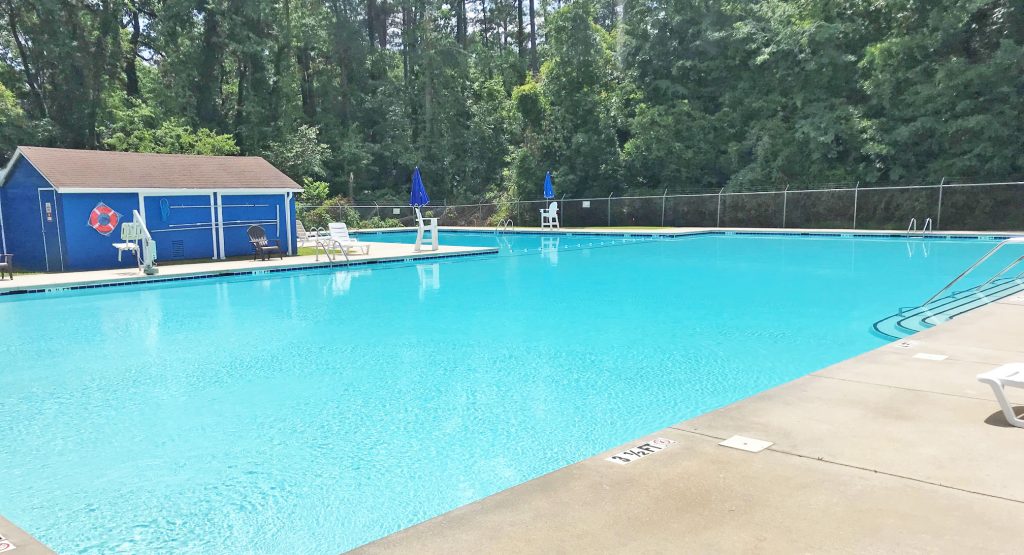
    WINNSBORO – Fortune Springs Park pool, now under the management of the Fairfield County Recreation Department, will open June 11.

    Fairfield County lifelong resident Carolyn Walters, a former physical education teacher, will be the pool manager.

    The pool will be open to the public Tuesdays – Fridays from 3 – 5 p.m.; on Saturdays from 12 noon to 5 p.m. and on Sundays from 1:30 – 4:30 p.m.

    The pool will be limited to senior swimmers on Tuesdays and Thursdays from 10 a.m. – 12 noon.

    Public swimming fees will be required: $3 per person daily fee, $40 per person/$85 family of 5 for a mid-season pass, $75 per person for individual season pass, $75 family of 5 weekly pass and $150 family of 5 season pass.

    Children 16 years and under must be accompanied by an adult and children five years and under must be accompanied in the water by an adult.  Children under 48 inches tall who cannot swim will be required to wear a life jacket and swim in a designated area.

    Swim lessons will be provided for ages five and older Monday through Thursday from 7 to 7:45 p.m. at a cost of $40 per individual on the following dates: June 17-June 27, July 8-July 18 and July 22-Aug 1.  Free lessons will be provided for rising third graders on those same dates from 6 – 6:45 p.m.

    Register for swim lessons at the Winnsboro Recreation Center Monday – Friday from 9 a. m. to 5 p.m. or at the pool beginning June 11.  Session times may be combined depending upon participation.

    Fortune Springs Park pool is located at 451 Fortune Springs Drive in Winnsboro.

    For more information please call 803-635-9114.

  • A Poet Proclamation

    BLYTHEWOOD – Blythewood’s newly named Poet Laureate, Sara Elizabeth Corn, 11, a student at the Center for Knowledge North at Muller Road Middle, was honored by Town Council with a Proclamation. She also read a poem that she wrote – Moms Trail. The poem is about riding her horse along her mother’s favorite trail.

  • Historic school to be marked

    BLYTHEWOOD – The Blythewood Historical Society (BHS) and Museum will place a historical marker on the site of the original Blythewood School at 501 Main Street. The placement is set for Friday, May 24. The building now houses Blythewood Academy.

    “We are inviting the community to join us for the placing of the marker,” BHS member Jim McLean said. Others who will participate in the marker placement include Nancy Stone-Collum from the Richland County Conservation Commission, Blythewood Mayor J. Michael Ross, Richland County Councilwoman Joyce Dickerson and graduates of the original school.

  • County unveils ‘new’ market building

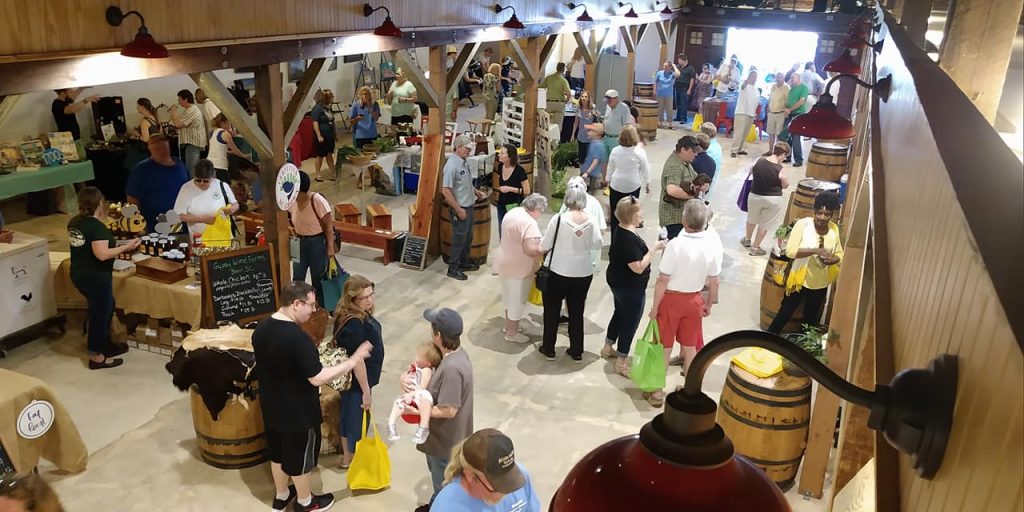
    Opening day at Fairfield’s renovated market building. | Michelle Taylor

    WINNSBORO – The opening of the newly renovated market building in downtown Winnsboro on Saturday was grand. Inside, it featured more than 40 vendors for shopping and a near-capacity crowd ready to buy. It was the place to be from 9 a.m. – 1 p.m.

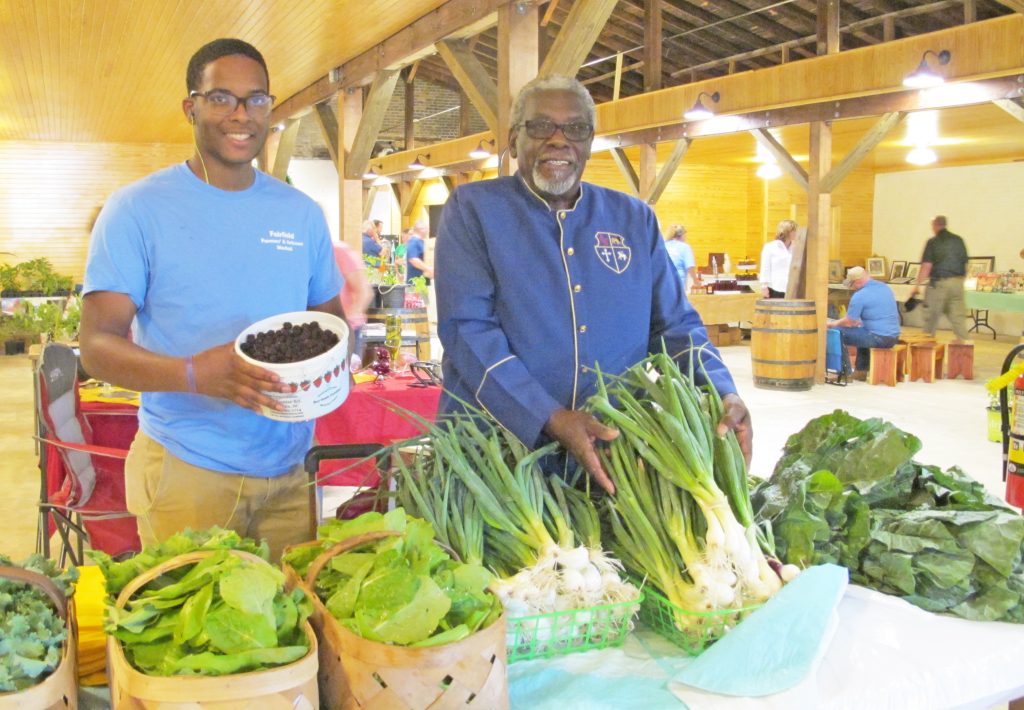
    Jules Ruff and Lonzo Ruff’s produce sold out in about an hour. | Photos: Barbara Ball

    Located at 117 E. Washington St., behind the clock, the building has served many capacities since the late 1800’s, including a livery stable, bowling alley, and car lot. On Saturday, the building found its perfect fit.

    Prior to cutting the ribbon, both Chamber of Commerce Director Gene Stephens and County Administrator Jason Taylor thanked former Chamber Director Terry Vickers for initially proposing the idea to revive the building.

    “A lot of things we do in local government are very important,” Taylor said. “One of those is to have projects like this that build our community and bring us together. While this project is ending, it will continue as a farmers market and a venue for weddings, reunions and other events. I hope this is the beginning of the revitalization of downtown Winnsboro.”

    The low cost project was paid for with $35,000, donated by the Chamber and matched by another $35,000 from the County.

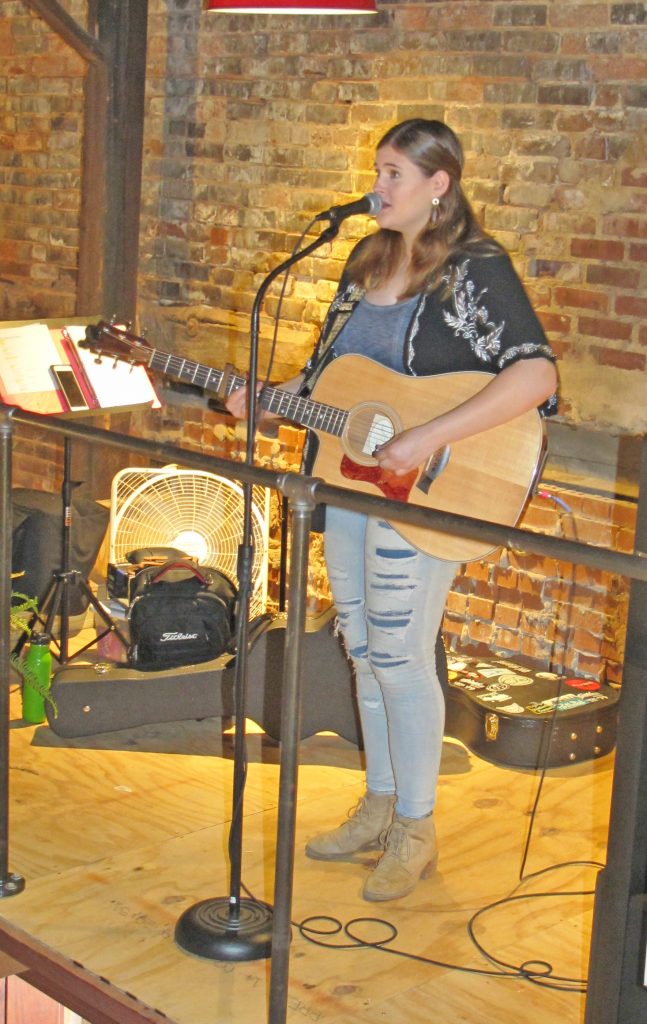
    Sophie Lynch

    Under Taylor’s guidance, county workers have turned the former stable into a show barn.

    Following the ribbon cutting, singer Sophie Lynch entertained from a balcony high above the front doors.

    Shoppers snatched up bargains on collards, potted plants, crafts, fresh veggies and massages.

    Door prizes were awarded every half hour and lunch was available from food trucks lined up in front of the building.

    The building features an open, rustic concept and includes a classroom and a large kitchen that Taylor said will be certified as a DHEC and catering kitchen.


  • Coyotes raising concerns in Blythewood neighborhoods

    BLYTHEWOOD – Blythewood has a coyote problem.

    But it is not unique to the Blythewood community. Once native to the western states, coyotes now inhabit almost every available habitat in the Eastern United States, including residential and urban areas.

    Reports are rampart of the wily predator being sighted in highly-populated communities like Cobblestone Park and Abney Hills Estate and killing chickens and goats in more rural areas like Loner and Muller Roads. Even pets are not safe, as coyotes are known to prey on cats and small dogs, along with wild species such as squirrels, rabbits, rodents and even wild turkeys and deer fawns.

    The loss of pets, chickens, goats and small livestock, plus reports of rabid coyotes in West Columbia and attacks on children and a few adults in other parts of the country have some Blythewood residents in fear and frustrated that no government agency is charged with coyote eradication or removal.

    “It’s an ongoing, horrible problem,” said Melanie Chastain who lives on Loner Road. “One came after me in February. Thank goodness I had another neighbor there, blowing her horn at it.” The coyote ducked through or over a fence and ran away. The coyotes also raided Chastain’s chicken flock.

    “I had 40 chickens and now I am down to 12,” she said. “Occasionally, you might lose a chicken, but I lost all those in a month. One night they walked off with an 80-pound goat.”

    Chastain complained that she has not been able to find any government agency that will help with coyote control in her area. In fact, no local or state government agency is charged with coyote removal in South Carolina – or apparently in any other Southeastern state.

    “Animal Control says they don’t do coyotes and to call DNR. DNR says you can shoot them,” she said.

    Richland County Animal Control’s mission is to deal with issues related primarily to dogs and cats. The agency does not deal with wildlife issues. The S.C. Department of Natural Resources deals with wildlife issues, but only tries to capture or kill a coyote when it presents an immediate danger to the public such as wandering into a schoolyard or shopping mall.

    “DNR has no role for removing coyotes. That is up to the private landowner,” said Charles Ruth, the DNR’s Deer and Turkey Project Supervisor, who also oversees scientific studies on wildlife species, including coyotes. But, he added, DNR has made it extremely easy for state residents to remove coyotes on their property and in their neighborhoods.

    “There is not a lot that you cannot do to coyotes,” Ruth said. “Coyotes can be hunted year-round.”
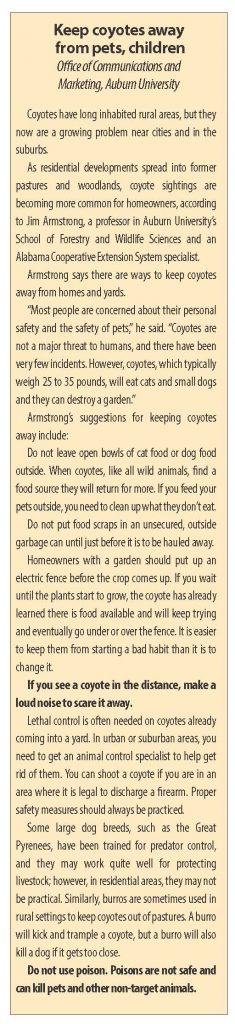
    He said property owners have to register their property with DNR to hunt coyotes year-round. Registration is done on-line and no fee is involved. A hunting license is required.

    Although there are no figures on how many coyotes are in South Carolina, Ruth said DNR estimates that hunters and trappers take at least 30,000 annually. Many are killed by deer hunters, he noted.

    A federal agency that conducts coyote controls in Western states does not provide that service in Eastern states, including South Carolina. A spokesman for the U.S. Department of Agriculture’s Animal and Plant Health Inspection Service in Columbia said the agency does some coyote control in Western states where they create problems with livestock.

    “But here in South Carolina coyotes have really not become a significant problem affecting livestock because there is not a large livestock industry here, other than chicken houses and we’ve never had a request (from chicken growers) for dealing with coyotes,” said Noel Myers. “There are backyard farm operations, such as people raising goats for milk, and they could experience some predation from coyotes and bobcats.”

    Myers said his office does get some calls, mainly from people who see coyotes in an urban area, but his agency does not relocate animals.

    “As we have more and more people, more growth and more urbanization, people are going to see more coyotes moving into their backyards,” he said.

    And that is what has some Blythewood area residents concerned. Chastain noted that several children were attacked by coyotes in North Carolina last year, both in Davie County between Statesville and Winston-Salem.

    Newspapers and television news reported that in March, 2018, a 9-year-old girl was bitten as she tried to escape a coyote and get into her house outside Advance, N.C. Two months later a father and his 7-year-old daughter were bitten by a coyote that attacked the girl as she was swinging on a swing set in the back yard of their home in Mocksville, N.C.

    These reports concern Clarence Bibbins, who has observed a coyote eating a dead deer in his backyard in Cobblestone Park.

    “I have small kids that play in my backyard. It’s kind of nerve wracking knowing the coyotes are out there.”

    Carol Propps-Wright, who lives in Abney Hill Estates said she can hear the coyotes howling in her neighborhood.

    “My neighbor and I used to walk in the neighborhood, but not any more. We are afraid of being attacked by the coyotes.”

    Every resident who expressed concern also expressed the desire that some agency, local or state, come in and trap or eradicate the coyotes. Under current laws and funding directives that is not likely to happen.

    Ruth suggested property owners and property owner associations should pay for hiring a wildlife control business to attempt to remove coyotes from local neighborhoods. DNR has a list of Wildlife Control Operators (WCOs), who perform wildlife control services on a contract-fee basis, at http://www.dnr.sc.gov/wildlife/control.html.

    The agency notes that WCOs are not DNR employees and are not affiliated with the DNR. DNR recommends asking for references and make sure all fees and guarantees are in writing

    The situation in South Carolina is basically the same as it is in all the other states in the Southeast and the situation in Blythewood is basically the same as it is in other communities throughout the region.

    Wildlife biologists in most states believe that reducing the coyote problem in a specific area is a short-term solution and basically lasts for only one breeding season.

    The North Carolina Wildlife Resources Commission recently drafted a coyote management plan which noted that coyote reproduction is density dependent. According to the CMP, if there are more coyotes than an area can support, coyote litter sizes will decrease, fewer pups will survive to adulthood and young coyotes will wait longer before first mating. If there are fewer coyotes but abundant food, then coyotes will produce bigger litters, will start breeding at younger ages and the odds of pups surviving to adulthood will increase.

    “Surprisingly, when as much as 60 percent of the coyote population is removed from an area, the population can recover within a year,” the management plan says. “Even if 90 percent of coyotes are removed, the population can recover in 5 years.”

    An NCWRC spokesman said capture and relocation of coyotes is not an option for the agency. The spokesman said NCWRC provides advice for local entities and residents to conduct their own removal programs. Adding: “We have no funding for local agencies to remove or eliminate coyotes.”

    Nor does Davie County where the two coyote attacks were reported last year.

    A spokesman for Davie County Animal Control said there is no government or public funding available for coyote control or eradication.

    “That would cost a lot of money and it’s very expensive just providing for dogs and cats,” the spokesman said. “We do advise people when they call that they can hunt coyotes year-round.”

    That doesn’t sit well with Chastain.

    “It’s just a matter of time before they attack some child here,” she said.
  • Bridge Champ

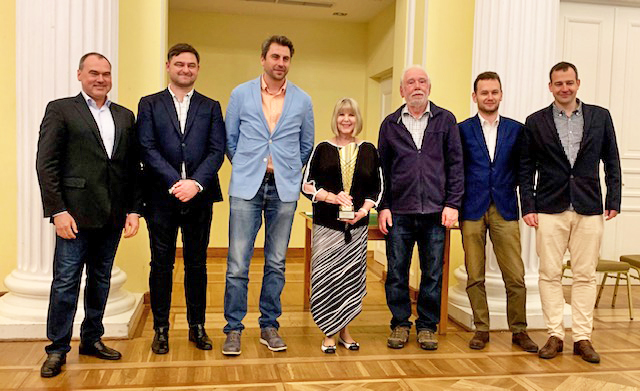
    WARSAW, POLAND – Blythewood’s Joyce Martin Hill competed last week in the Palace Cup International Bridge Tournament in Warsaw, Poland. The team, made up of Hill and six others from around the world, took home a $1,000 prize.

    Hill began playing bridge at age 12 with her parents, who belonged to two bridge clubs. On a World Cruise in 2003, she took up duplicate bridge. “After that, I was hooked,” Hill said. She currently has over 10,000 points, which puts her in the top .02% of competitive players. She is a Grand Life Master, has four national titles and a second place, won in Hawaii last November.

  • Blythewood artisan creates flowers from clay

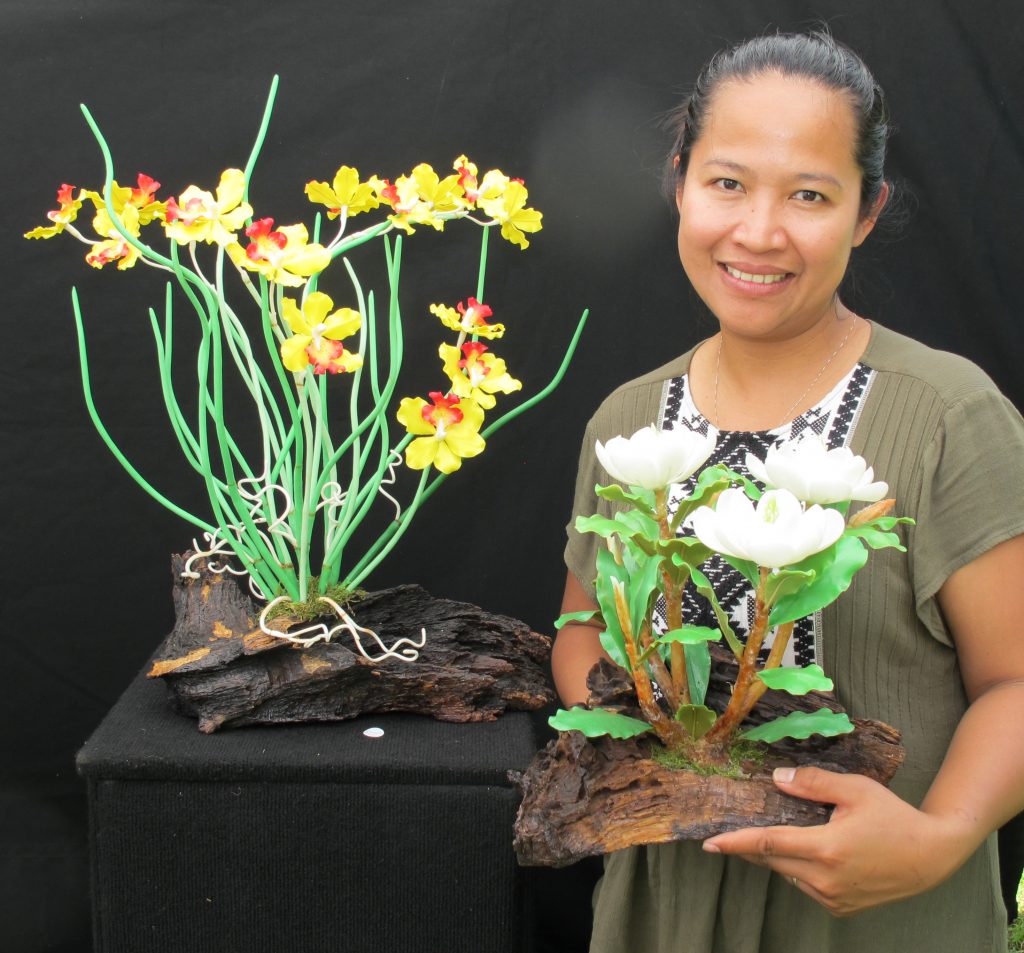
    BLYTHEWOOD – A dewy, delicate arrangement of orchids . . . that lasts forever. It sounds like hothouse hocus-pocus, but Blythewood’s Chatchakorn ‘Jom’ Sonday can make it happen.

    A native of Thailand, Sonday is one of the few artists in America who specialize in clay flowers, a traditional Thai art that involves sculpting and painting a fine white clay into remarkably lifelike flower arrangements.

    Sonday displays some of her clay flowers at Arts on the Ridge. | Barbara Ball

    Sonday’s award-winning clay flowers are favorites at juried art shows in Atlanta, Asheville, Charleston, Hilton Head and Charlotte and are available for sale in area art galleries and through custom orders. Sonday designs 70 or so kinds of flowers, including orchids, which are arranged in natural driftwood or decorative pots.

    “Each arrangement is unique,” Sonday said. “I receive a lot of custom orders around Valentine’s Day, Mother’s Day and Christmas.”

    She also has available in her studio a collection of ready-to-purchase arrangements on those holidays for those procrastinating shoppers who are looking for something both beautiful and unique at the last minute.

    Sonday first discovered clay flowers in 2004, while still living in Thailand.

    “I was shopping at the JJ (Chatuchak) Market, a huge weekend bazaar in Bangkok, when I noticed an exquisite lady slipper orchid display in a flower vendor’s booth,” Sonday recalled.

    “I love orchids, and lady slippers especially,” she said, “because each flower is so unique, like a fingerprint. The flowers I saw, which were arranged in driftwood, looked so real. But the shop keeper explained that the flowers were actually made of clay. I was fascinated. Even though I had a small budget, I bought a little flower to bring home.”

    Sonday grew curious about the process of creating the lifelike flowers, and she eventually signed up for a six-month class at an art school in Bangkok.

    “At the time,” Sonday said, “I worked as a hotel receptionist, and didn’t imagine I’d be able to do something else, much less become a professional artist!”

    But she’d always loved art, especially drawing and painting, and soon she was creating clay flowers as an enjoyable hobby and sharing them as gifts for friends. Before long, she was selling her work to the market vendor where she had first discovered clay flowers.

    “Then I started receiving requests from my friends,” Sonday said, “for flowers that they could give as gifts.”

    Now her work is displayed in local galleries and at regional festivals and flower shows. She said she appreciates the many opportunities for artists in America.

    “I love it here,” she said. “Everywhere you go, you can show and sell your work. In Thailand, it’s much harder to connect with buyers and display and show art.”

    Sonday and her husband, Donald, moved to the U.S. in 2009 after marrying in Thailand the previous year. They settled for a short time in Pennsylvania, then moved to Blythewood when his company relocated. Sonday now stays home with their 7-year-old son, Jason, and spends many hours in her studio creating new work for shows and custom orders.

    “I wake up at five every day,” she said, “and work in the studio for three hours, before my son gets up. Then I work a couple of hours after breakfast and three or four hours in the evening.”

    Although Sonday learned the basics of the craft in her Bangkok class, she said that practicing and experimenting on her own over the years is how she’s learned many meticulous techniques that make her flowers look extraordinarily real.

    “You have to learn those things yourself,” she said.

    Sonday uses Luna and Thai clays, which she purchases in bulk during her trips home to Thailand every couple of years.

    “I can’t get those types of clay here,” she said. “The clay available here breaks easily. The quality of Thai and Luna clay is like Japanese clay. Luna clay is soft and delicate, and creates a more realistic-looking flower. Thai clay is hardier, and better for stems and leaves.”

    Her process varies depending on the specific flower, but often includes mixing oil color into the fresh clay, pressing the clay through a pasta maker for uniform thickness, shaping the individual petals and forming the flowers. When the flowers have dried, she makes and attaches the leaves, then paints details by hand and places the arrangement into a base. The process can take a couple of weeks, and she often works on four or five arrangements at a time.

    She also continues to incorporate new skills into her work.

    “I recently took a class in Thailand to learn how to sculpt small-scale items such as animals and human figures,” Sonday said. “It will be fun to combine that with the flowers and make a small garden scene, with trees and people sitting in the shade.”

    Depending on the dimensions and complexity, Sonday’s flowers are priced from $7 to $600. Custom orders range from detailed miniature and even bonsai sizes to 2-foot-tall displays. Locally, her work can be seen at the Village Artists Gallery in the Sandhills and on her website at jjsclayflowers.com, and shipping is available. For more information or to order for Mother’s Day, go to her website.

  • Drop-in planned for departing magistrate

    Robinson

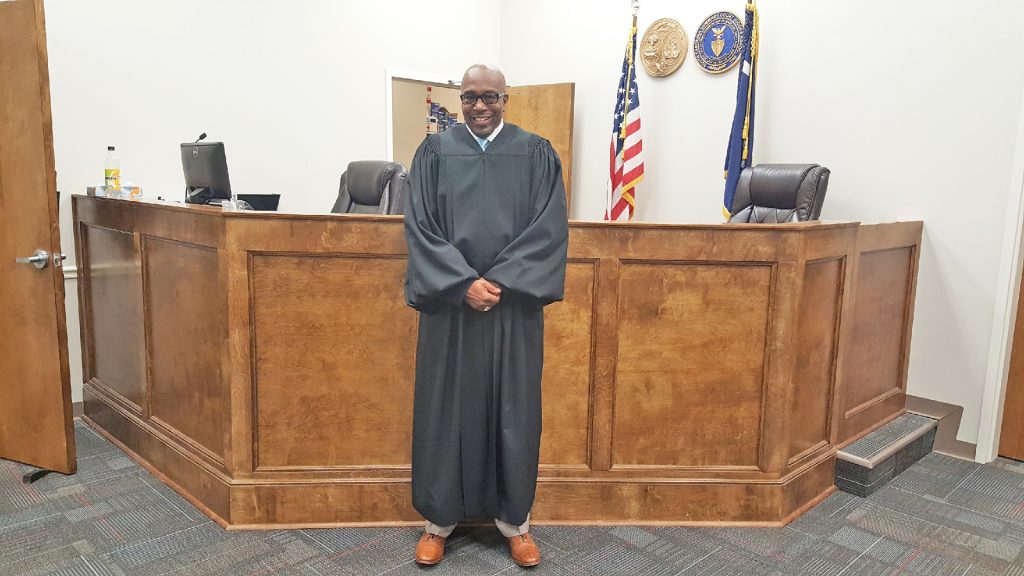
    BLYTHEWOOD – Prior to the May 28 town council meeting, Mayor J. Michael Ross and council members will host a reception honoring Blythewood’s Magistrate, Judge Josef Robinson, and his staff.

    Robinson, who was serving his second term after being appointed to the bench by Sen. Joel Lourie in 2014, said he was notified by Sen. Mia McLeod last month that he would not be reappointed. After Lourie did not seek re-election in 2016, McLeod was elected in 2016 as his successor.

    A popular magistrate with both the community and the town government during his tenure in Blythewood, Robinson made himself available for town government functions such as swearing in ceremonies, as well as riding in the town’s Christmas parade and attending other community events as well.

    “We are going to truly miss Judge Robinson,” Ross said. “We couldn’t have had a better judge to serve as Blythewood’s first magistrate. He did a great job in the Courtroom here and I think most everyone regarded him as fair and compassionate.

    “I was disappointed that we were not contacted that the Judge was not going to be reappointed,” Ross said.

    “It would have been a nice courtesy to have been notified about something like this that effects our community,” Ross said. “Judge Robinson is a fine example of a public servant and our community will miss him,” Ross said.

    A 14-year veteran of the S.C. Highway Patrol before being appointed Blythewood’s magistrate, Robinson said he felt being a state trooper turned out to benefit his role as a judge.

    “It prepared me for the criminal and civil sides of my job, learning traffic laws, making traffic stops and dealing with attitudes all over the place,” Robinson said. “When Sen. Lourie appointed me he stressed that a judge needs to be fair and impartial. I lived by those tenets. I tried to give everyone their time and hear them out till their case was done. I tried to listen to what people had to say and not rush to a decision. A lot of people would come to court feeling they didn’t have a chance. But I think most people who came before me felt I was fair – even some of those who I ruled against,” Robinson said.

    “I loved the job and I loved serving the people in this community,” he said.

    Robinson said he now plans to return to law enforcement, serving as a public information officer under Sheriff Leon Lott.

    The public is invited to the reception for Judge Robinson and his staff at 6:30 p.m., Tuesday, May 28, at the Doko Manor in Blythewood.

  • Geiger teacher’s summer reading initiative sparks community effort

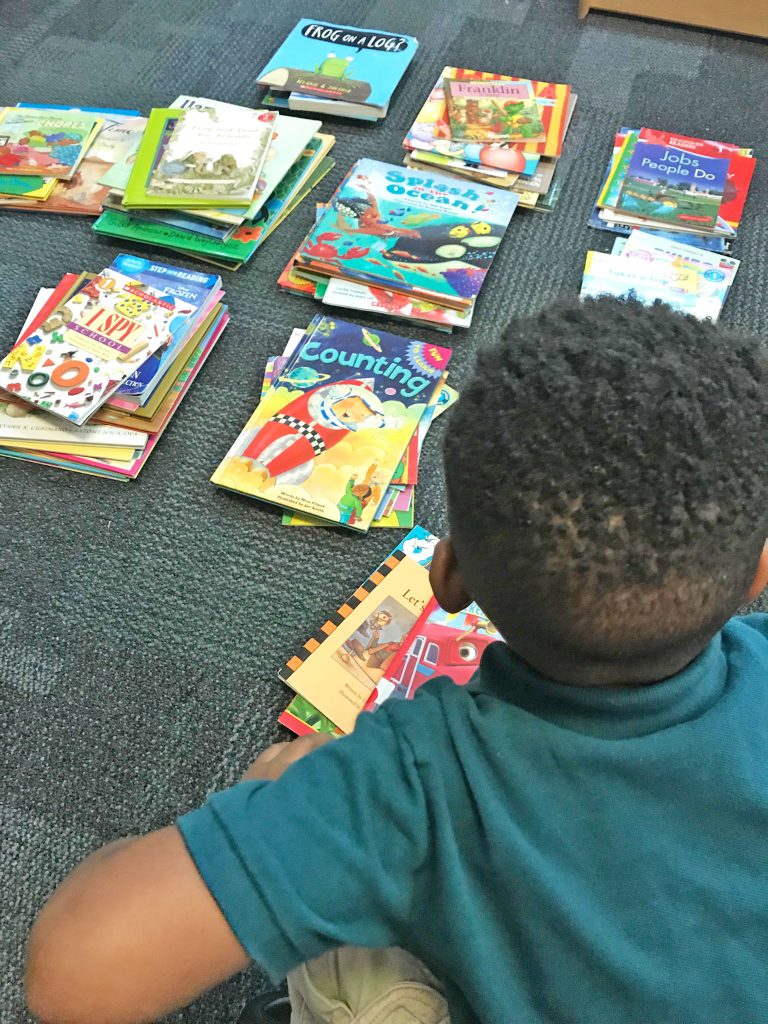
    Nicole Hunter’s Child Development class at Geiger Elementary proudly displays some of the books donated by the community for summer reading. | Photo: Nicole Hunter
    Hunter

    RIDGEWAY – What started as a request to friends on Facebook by Geiger Elementary School Child Development teacher Nicole Collins Hunter quickly turned into a community effort.

    Hunter knew that most of her students would not have access to books over the summer and worried about them battling the ‘summer slide,’ so on March 26, Hunter posted a request to her Facebook friends.

    “I need your help,” Hunter wrote. “Studies show that access to books during the summer prevents drastic loss in reading skill, especially for kids in need… I am determined to send my students home with five books for summer reading.”

    Hunter’s students are excited to take their books home for the summer.

    Hunter’s status was quickly shared by community members, and the effort was contagious. Her original goal of five books per student was swiftly met, and, as of May 8, Hunter has received 200 new and gently used books for her 15 students.

    As a way of making the donated books even more special, Hunter asked that donors send a message with the books that she could share with her students. An anonymous Geiger faculty member purchased and donated canvas totes, which will be personalized in a collaboration with the art teacher, for the students to carry their books during the summer.

    “Thanks in advance for helping instill a love of reading that lasts throughout a student’s life,” Hunter concluded in her Facebook plea.

    To contribute to Hunter’s summer book drive, drop new or gently used books off at Geiger Elementary or mail to Nicole Hunter, Geiger Elementary, 150 T.M. Cook Lane, Ridgeway, SC 29130.

    One student looks over his options as he chooses summer reading books.
  • House aims to bring internet to rural areas

    WINNSBORO – Every campaign year, a popular promise of candidates running for office in Fairfield County is to bring internet to the rural. But, as the year 2020 approaches, pockets of slow or dead internet zones still exist throughout the County.

    A bipartisan group of lawmakers hopes to change that.

    Introduced by 14 House Democrats and Republicans, House Bill 3780 proposes creating the “Growing Rural Economies with Access to Technology,” or GREAT, program to facilitate expanding broadband Internet service into rural areas of the state.

    House members passed the bill in a 112-0 vote on April 3. The Senate has passed first reading on the legislation, and it has been referred to the Senate Judiciary Committee, according to the General Assembly website.

    It was not immediately clear as of press time when the Senate might tackle second reading. Rep. Annie McDaniel, D-Winnsboro hopes it’s soon.

    “I know for Fairfield County it will make a huge difference,” McDaniel said. “I support it 100 percent.”

    McDaniel said she’s especially encouraged by the bipartisan support. She said expanding high-speed Internet access countywide carries a multitude of benefits, from students trying to complete schoolwork to conducting routine business transactions.

    “When you look at McCrorey Liston School of Technology, they definitely need to have Internet service,” she said. “I’ve talked to many people in that area who’ve said the Internet doesn’t serve them really well.

    “I’m excited that it’s something that we can work on together,” McDaniel continued. “I am exceptionally happy when I see that the Republicans and Democrats found a bill they can work together on.”

    The latest version of H.3780 proposes creating a special revenue fund in the S.C. Rural Infrastructure Authority.

    From this fund, grants can be awarded to applicants to subsidize qualifying broadband projects. Funding would be determined by the General Assembly, though the bill doesn’t specify how much would be funded, or from what funding source.

    H.3780 also proposes creating a points system to determine recipient eligibility.

    The scoring system would give weight to distressed counties, which according to FCC data have higher numbers of unserved residents when it comes to Internet service.

    Some aspects of H.3780 are similar to a farmer’s aid bill presently stalled in Congress, which also seeks to enhance Broadband service in remote rural areas.

    In July 2018, the U.S. House passed H.R. 4881, also known the Precision Agriculture Connectivity Act of 2018, which requires the FCC to establish at task force responsible for “identifying and measuring current gaps in the availability of broadband Internet access service on agricultural land.”

    The task force would also be charged with “achieving reliable capabilities” on 95 percent of agricultural land in the U.S. by 2025, according to the bill.

    No further action has been taken on the bill since the House passed it last summer, according to the U.S. Congress website.

    Boosting Internet service could generate important economic benefits as well.

    A provision within the bill gives the authority leeway to determine if broadband expansion “will benefit a potential economic development project relevant to the proposed area outlined in the eligible project.”

    While Fairfield County has placed great emphasis on enhancing water and sewer services, expanding broadband is also important to industries that desire ready-made infrastructure, said Fairfield County Administrator Jason Taylor.

    “Infrastructure, whether it’s water and sewer or soft infrastructure, like Internet, is critical,” he said. “It’s another tool to help market Fairfield County.”

    Better broadband service also improves public safety, Taylor added.

    “If you don’t have service, you can’t get 911 there or fire trucks there as quickly,” he said. “It’s wonderful from every angle.”